Owning a vineyard in Sonoma County is a dream for many, but what does it really take to manage one? From understanding the true costs of a manageable vineyard size to knowing exactly how many people you need on your team, this guide breaks down the reality of wine country estate ownership. Discover the balance between the romantic lifestyle and the practical business of growing grapes, complete with expert insights on labor, infrastructure, and the timeline to profitability.
When you purchase a vineyard property, you are buying more than just a stunning view. You are stepping into the role of a steward for the land. The question that stops most prospective buyers in their tracks is not whether they want the lifestyle, but rather what it actually takes to maintain it. What exactly is a "manageable" vineyard size, and how big of a team do you need to keep those vines healthy and productive?
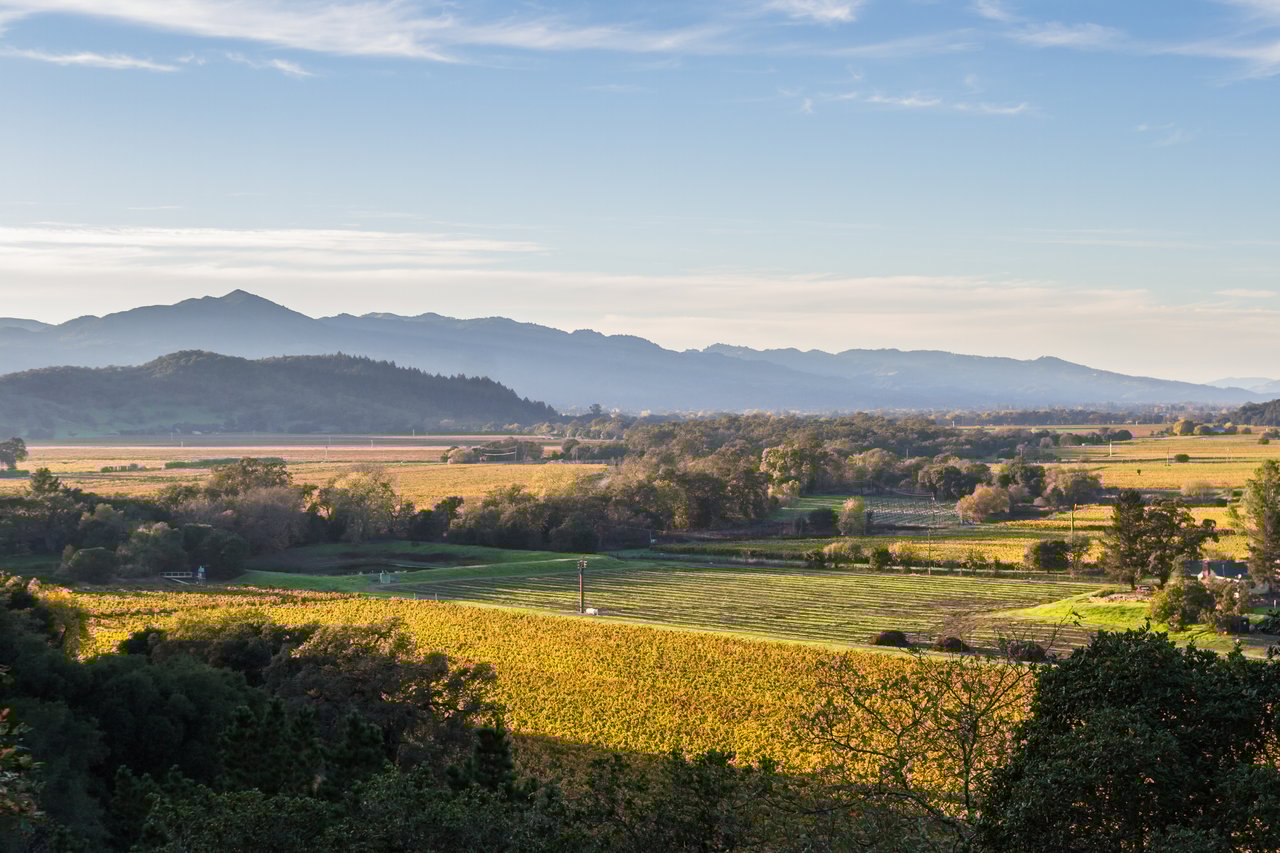
Whether you are looking at a two-acre hobby vineyard in Sebastopol or a ten-acre commercial operation in the Dry Creek Valley, understanding the reality of vineyard management is the key to enjoying your investment rather than being overwhelmed by it. Let us walk through exactly what you need to know about sizing your vineyard and buying the right team to run it.
Defining a Manageable Vineyard Size
The word "manageable" means something entirely different depending on your goals, your budget, and how much dirt you personally want under your fingernails. In the world of Sonoma County real estate, we generally categorize vineyards into three distinct sizes, each requiring a completely different approach to management and staffing.
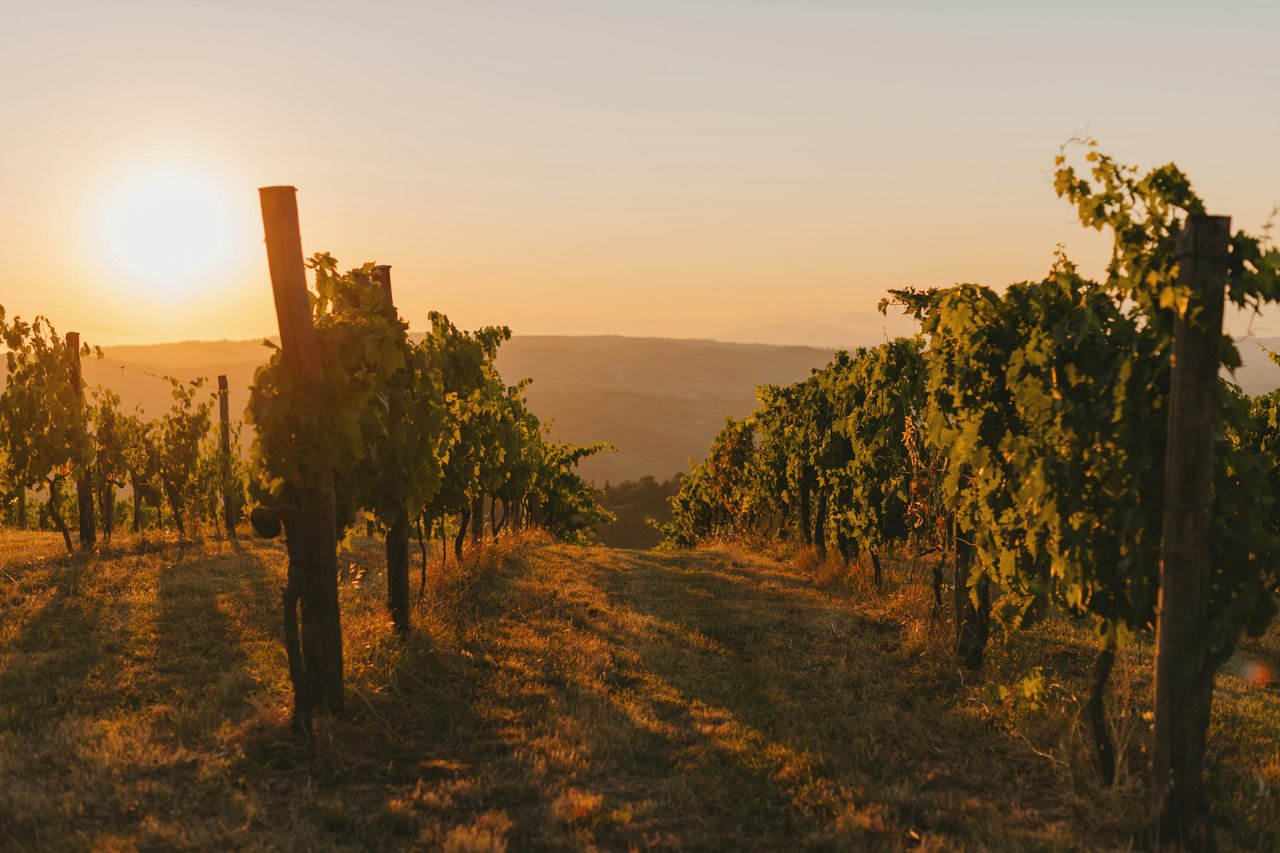
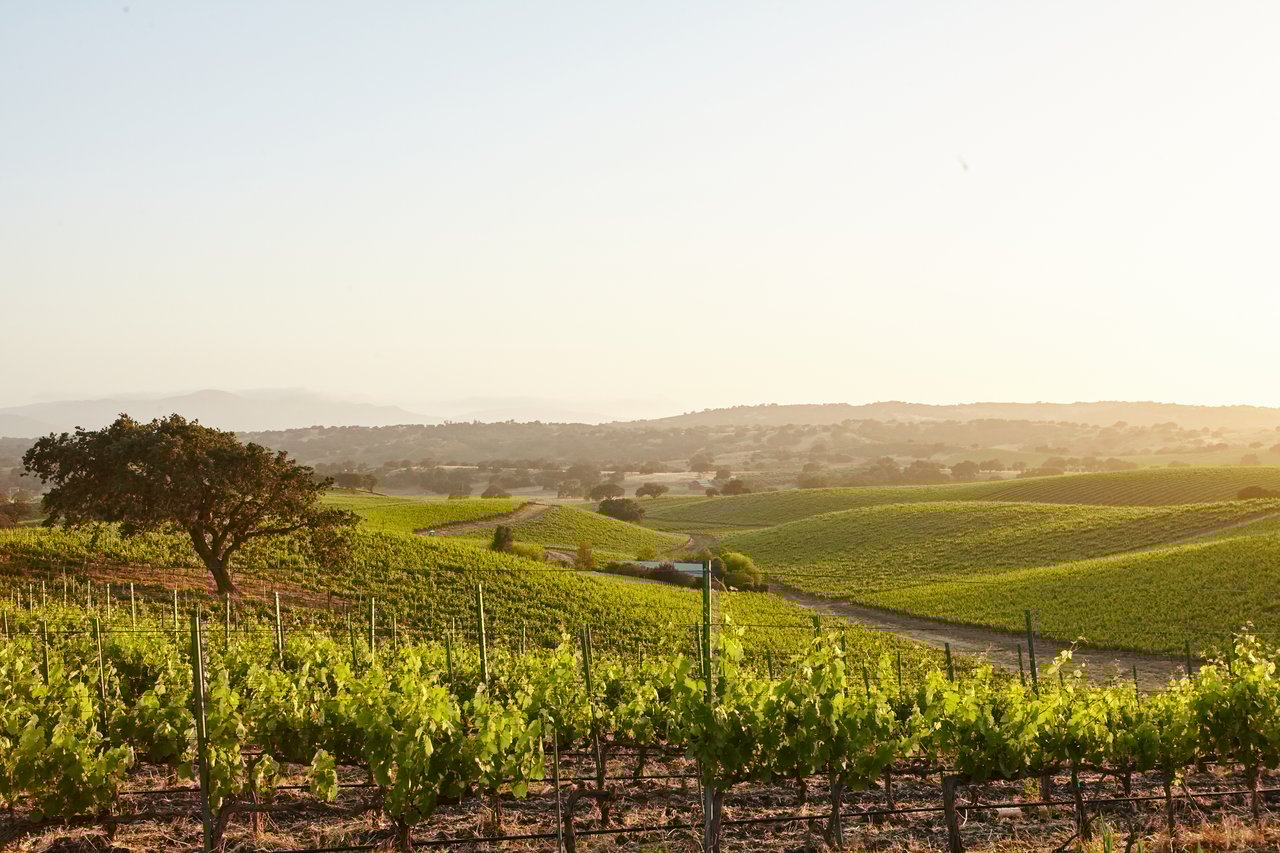
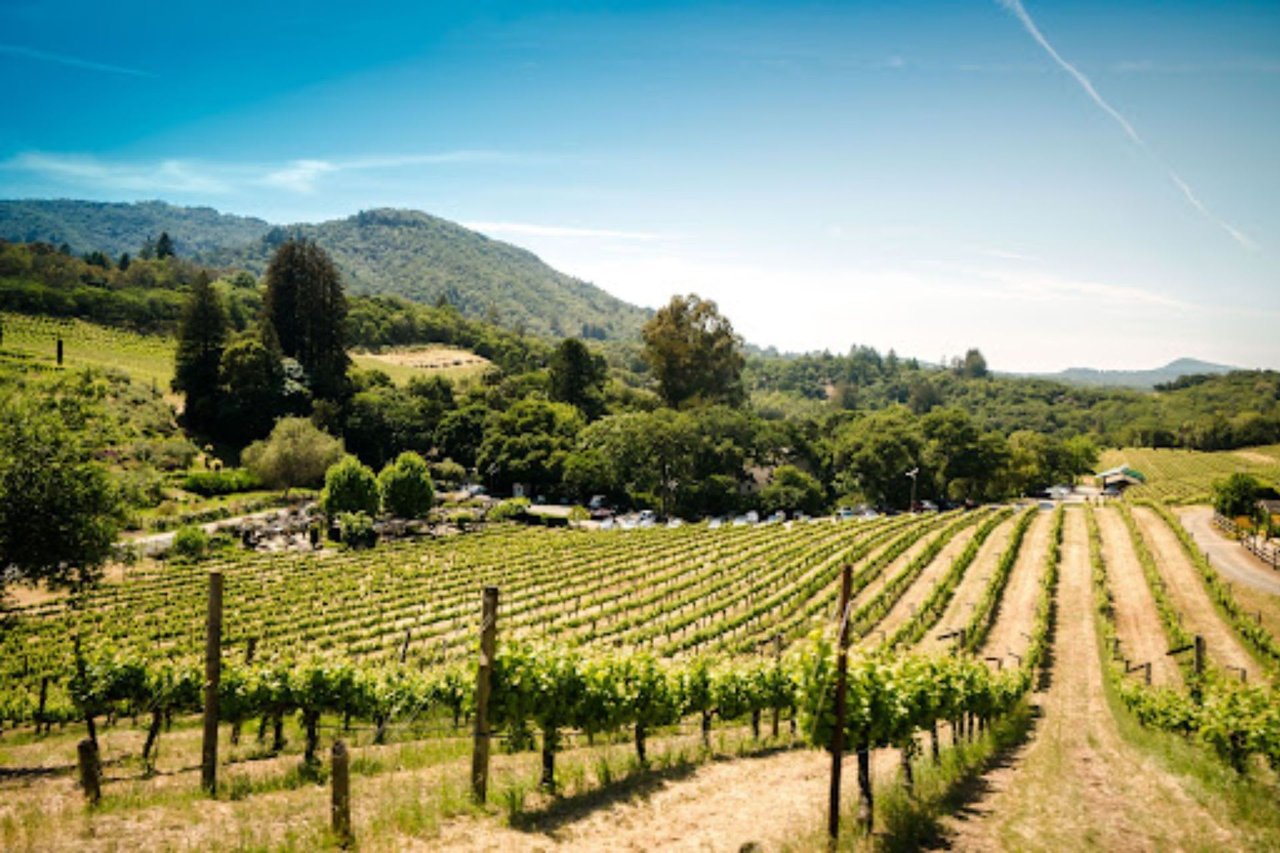
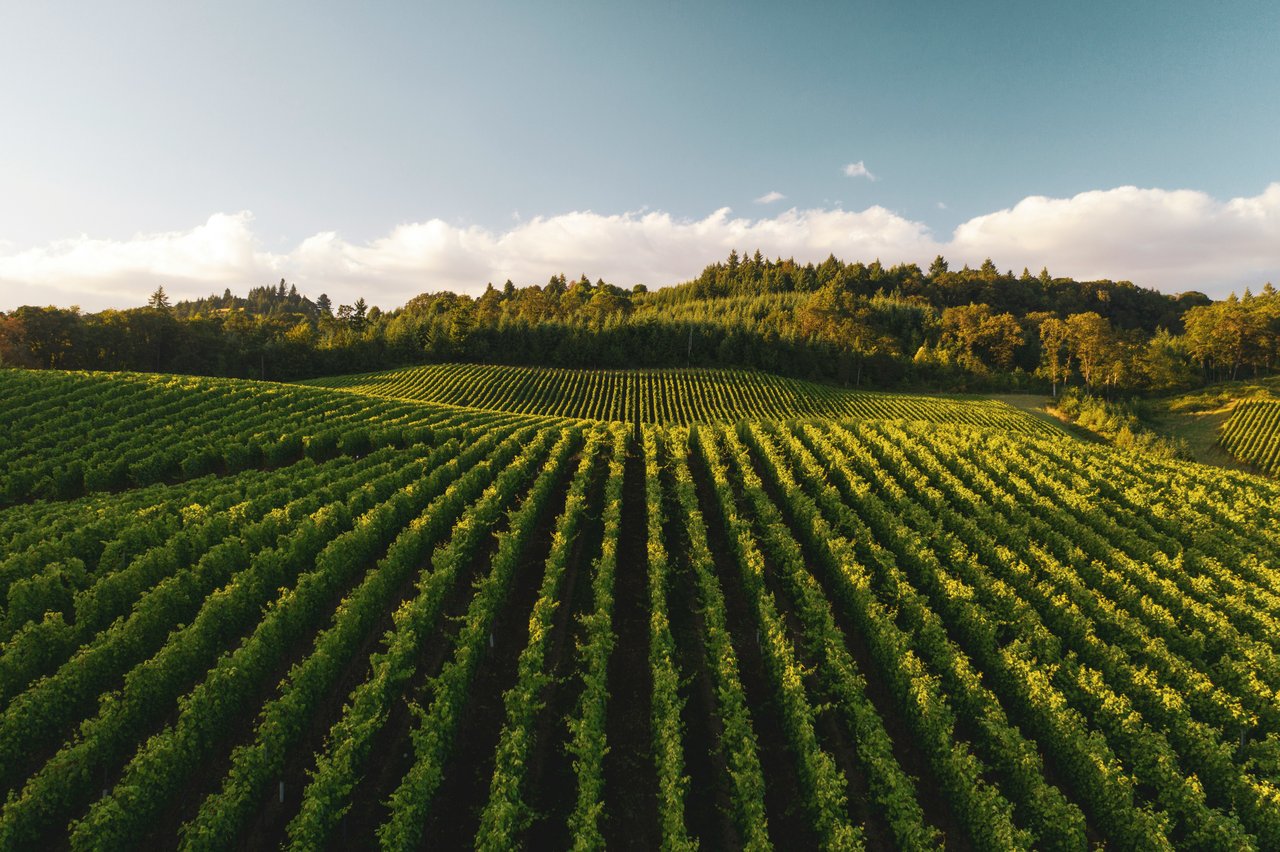
A hobby or lifestyle vineyard typically ranges from one to five acres. At this size, the vineyard is primarily an aesthetic amenity that happens to produce enough grapes for a personal wine label or to sell to a local winemaker.
This is often considered the sweet spot for buyers looking at Sonoma County real estate who want the romantic experience of walking their vines without the pressure of running a full-scale agricultural business.
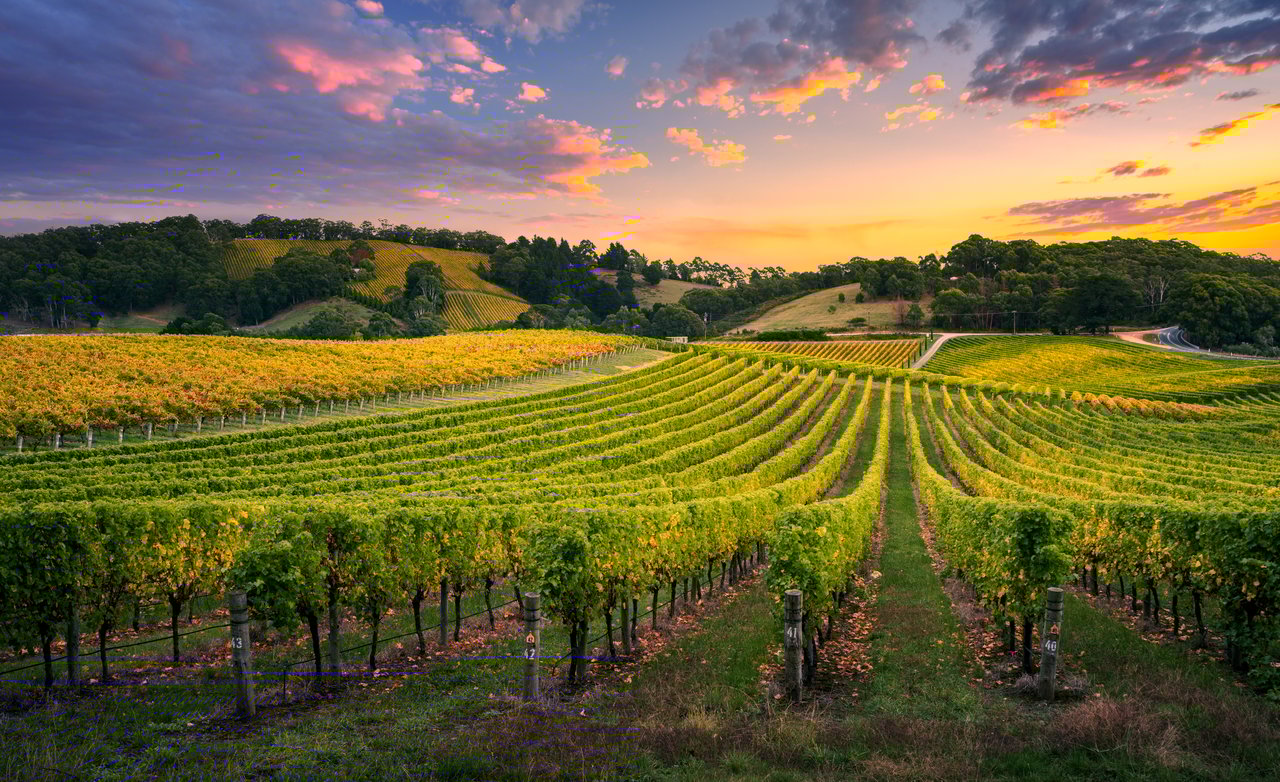
Stepping up to a small commercial vineyard, which usually spans five to fifteen acres, changes the dynamic considerably. At this scale, the vineyard must be treated as a business entity. The infrastructure requirements increase, the water needs become more complex, and the operation requires professional oversight to ensure the fruit meets the quality standards expected by Sonoma County wineries.
Anything over fifteen acres is a full-scale commercial operation. These properties require significant infrastructure, dedicated management teams, and substantial annual budgets. While they offer the potential for strong returns, they are serious agricultural enterprises that require a completely different level of commitment. If you are exploring larger agricultural land investments, this scale is where the business truly begins.
What’s The Real Cost Of Vineyard Ownership in
Before you can size your team, you need to understand the financial reality of the ground they will be working on. The romantic vision of vineyard ownership often bumps up against the very real costs of agricultural development and maintenance.
In premium regions like Sonoma County, purchasing an existing, planted vineyard can cost anywhere from $100,000 to over $150,000 per acre, depending on the location, the varietal planted, and the quality of the infrastructure.
If you are buying bare land to develop yourself, you can expect to spend between $35,000 and $60,000 per acre just to establish the vineyard. This includes ripping the soil, installing trellis systems, setting up irrigation, and purchasing the vines from a reputable vine nursery.
But the purchase and development are just the beginning. The ongoing annual farming costs in Sonoma County typically run between $8,000 and $10,000 per acre. This covers the essential day-to-day operations: pruning, canopy management, pest and disease control, fertilization, and harvest labor. It is a long-term investment; new vines take three to five years to reach full production, and a new vineyard might not break even for seven to ten years.
Sizing Your Vineyard Management Team in Sonoma County
The biggest misconception about owning a manageable vineyard is that you can do it all yourself on the weekends. While a one-acre plot might be manageable for a dedicated hobbyist with a lot of free time, anything larger requires a team. The size and structure of that team depend entirely on the size of your wine country property.
The Solo Owner-Operator Model
If you own a small lifestyle vineyard of one to three acres and have a deep passion for agriculture, you might choose to manage the day-to-day operations yourself. This means you are the vineyard manager, the tractor driver, and the chief pruner. However, even the most dedicated owner-operators need to bring in seasonal crews for the heavy lifting. Pruning in the winter and harvesting in the fall require intense bursts of labor that are nearly impossible for one person to handle alone, especially when timing is critical.
The Hybrid Approach
For vineyards in the three to eight-acre range, the hybrid model is often the most effective. In this scenario, the owner might handle the high-level decisions and some of the lighter canopy work, but they hire a professional vineyard management consultant to oversee the viticulture plan. The consultant dictates the spray schedule, manages the irrigation strategy, and coordinates seasonal labor crews for pruning, leaf pulling, and harvest. This allows the owner to enjoy the process without needing a degree in viticulture to keep the vines alive.
The Professional Vineyard Management Company
Once a vineyard crosses the eight-to-ten-acre threshold, it generally requires a professional vineyard management company. In Sonoma County, there are numerous highly respected firms that offer full-service vineyard management. These companies bring their own permanent teams, their own specialized equipment, and their own deep expertise in local microclimates and pest pressures.
When you hire a management company, you are not just hiring a crew of workers; you are hiring a dedicated vineyard manager, a viticulturist, an equipment operator, and a skilled labor force. They handle everything from regulatory compliance and water reporting to disease prevention and harvest logistics. For many owners of luxury wine country estates, this is the only way to ensure the vineyard remains a beautiful asset rather than a stressful burden.
The Infrastructure That Supports the Team
A team is only as good as the tools and infrastructure they have to work with. One of the most common mistakes new vineyard owners make is underestimating the infrastructure required to support even a small operation.
Water is the lifeblood of any vineyard, and in Sonoma County, it is a highly regulated resource. A mature vineyard typically requires one to three acre-feet of water per acre annually. Your team needs reliable wells, efficient drip irrigation systems, and the technology to monitor soil moisture.
Beyond water, your team needs proper deer fencing to protect the crop, secure storage for expensive equipment like tractors and sprayers, and safe facilities for mixing and storing agricultural materials. Cutting corners on infrastructure not only makes your team's job harder, but it can also lead to costly vine damage or crop loss down the road.
The Sonoma County Advantage
Choosing to buy a vineyard in Sonoma County offers distinct advantages over other regions. The county is home to a robust network of agricultural support services. Because there are over 400 wineries and 48,000 acres of vineyards in the county, there is a deep pool of experienced vineyard management companies, skilled labor, and viticulture consultants.
Furthermore, Sonoma County real estate has shown a consistent appreciation in value, making a vineyard estate a strong long-term investment. The combination of world-class terroir, a strong tourist economy, and a community that deeply values sustainable agriculture makes it an ideal place to put down roots.
Whether you are looking for a secluded two-acre Pinot Noir retreat in the Russian River Valley or a ten-acre Cabernet Sauvignon estate in Alexander Valley, the key to success is going in with your eyes open. Understand the costs, build the right team, and respect the land.
Contact Marquis Farwell today for expert real estate guidance in finding your perfect wine country home.
References
[1] Modern Living Sonoma. "The Ultimate Guide To Buying and Setting Up A Vineyard." Retrieved from
[3] WineMaker Magazine. "Starting Your Own Vineyard." Retrieved from
[4] Exploring Wine Country Agricultural Costs. Industry cost analysis and expert interviews regarding Sonoma County farming expenses.
[5] UC Davis Viticulture Extension. General guidelines on labor requirements for small-scale vineyard operations.