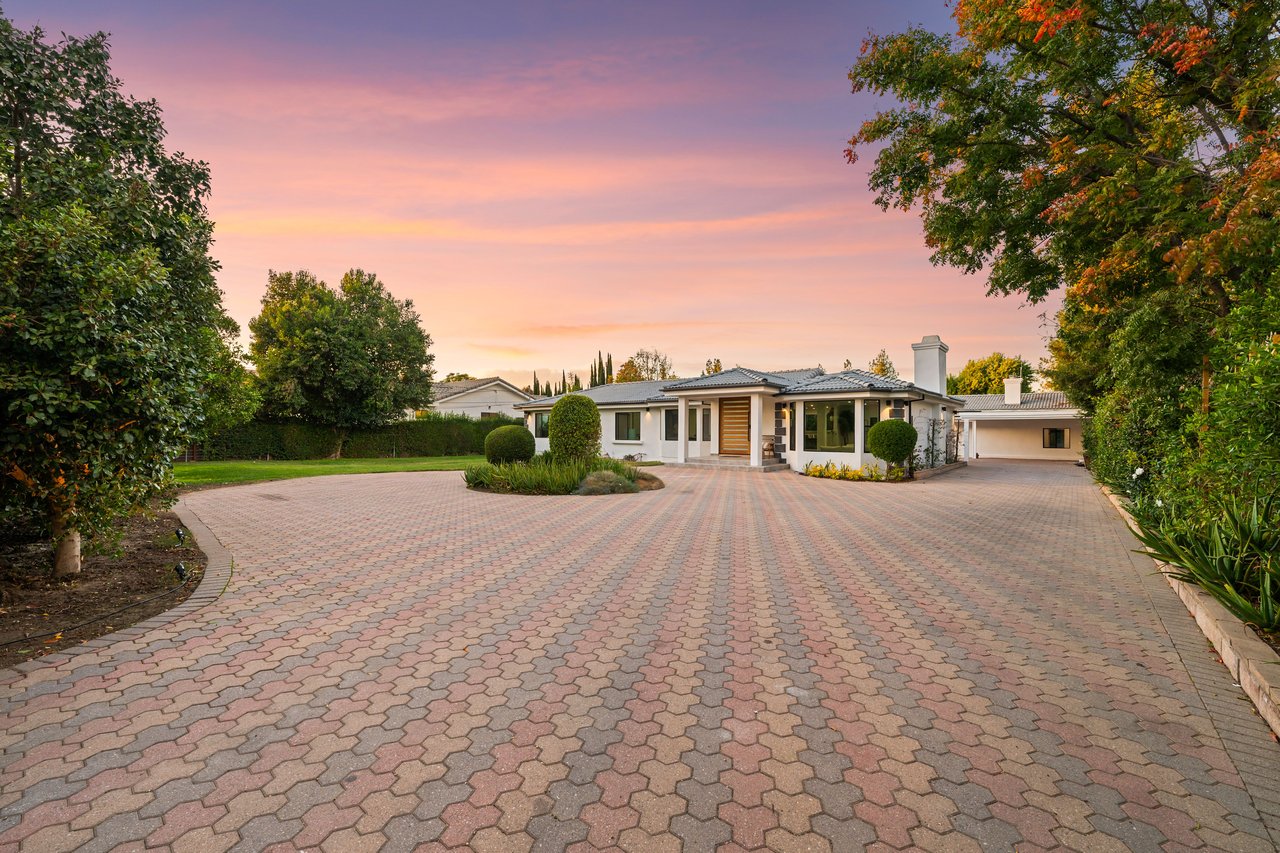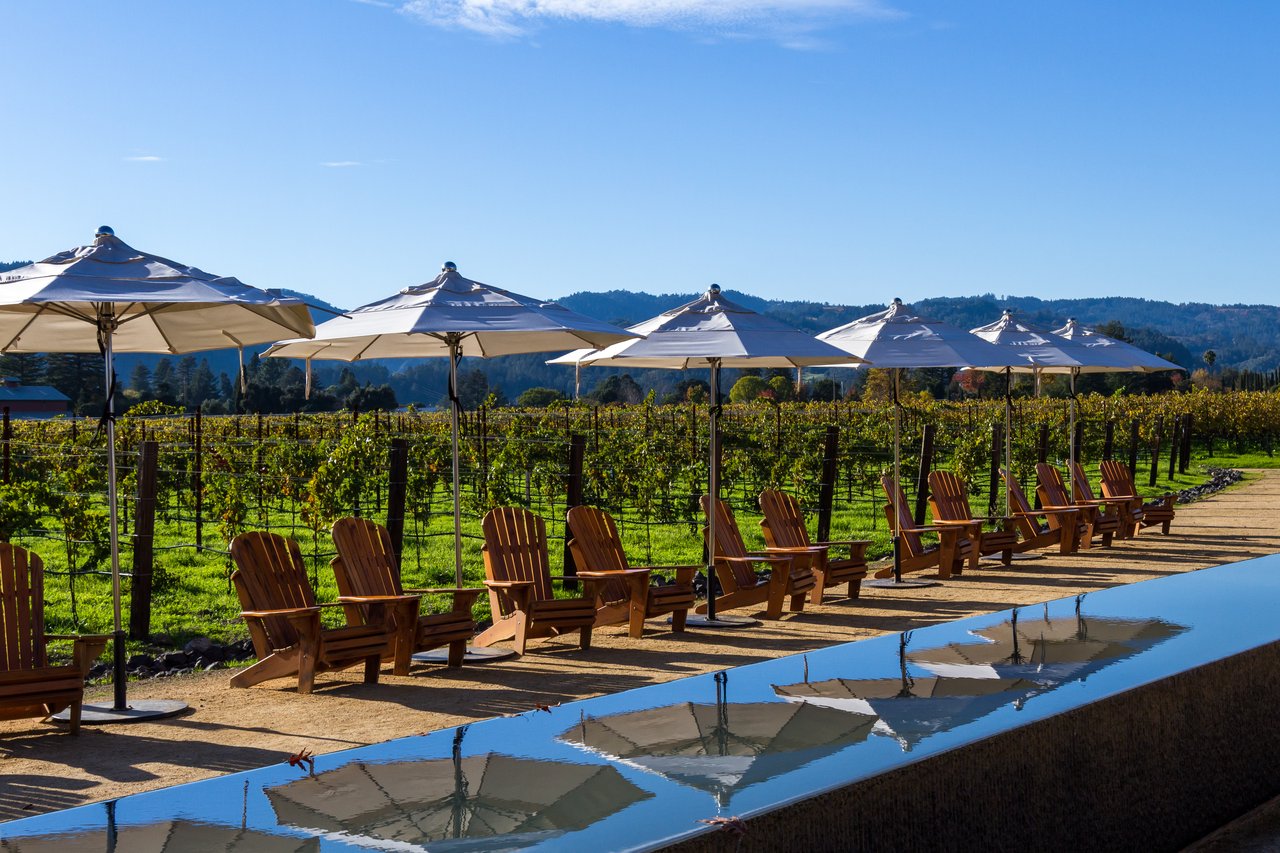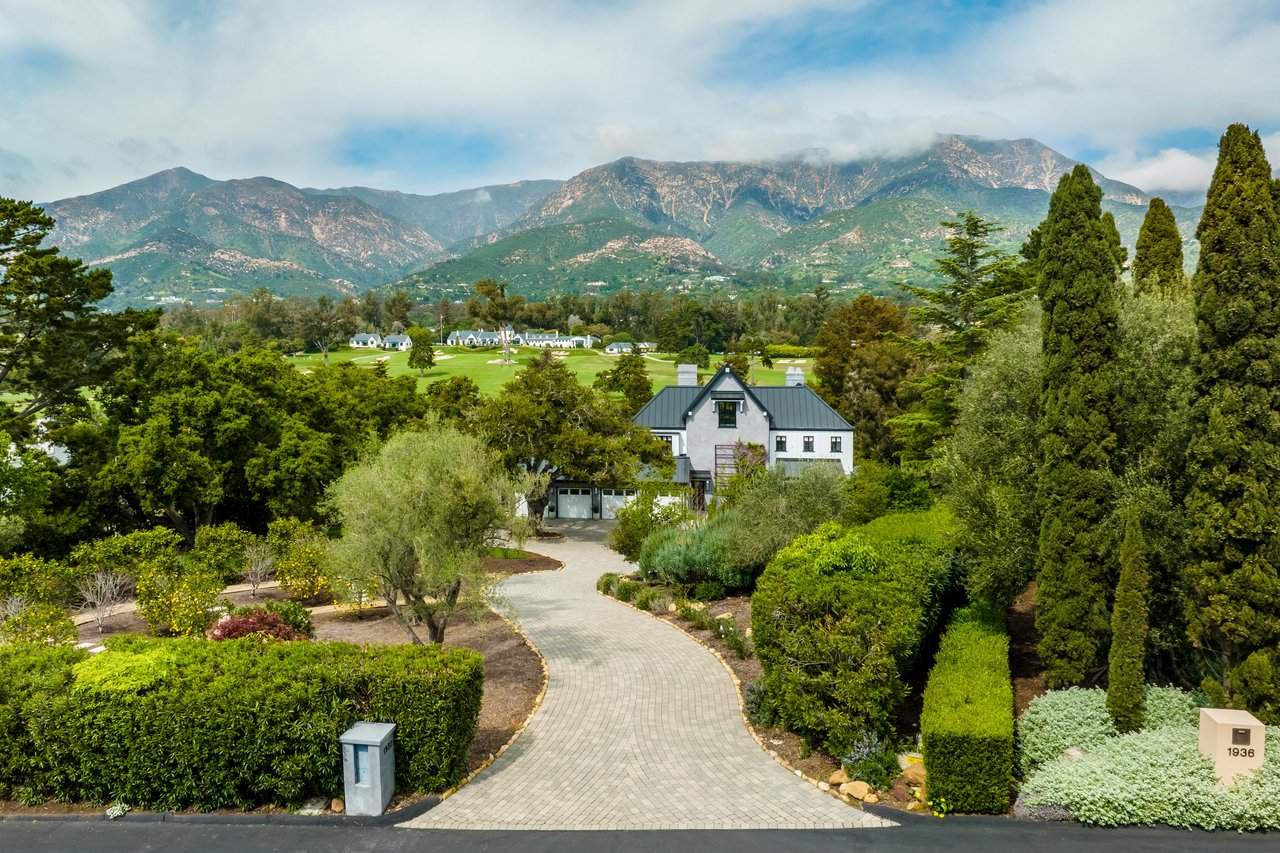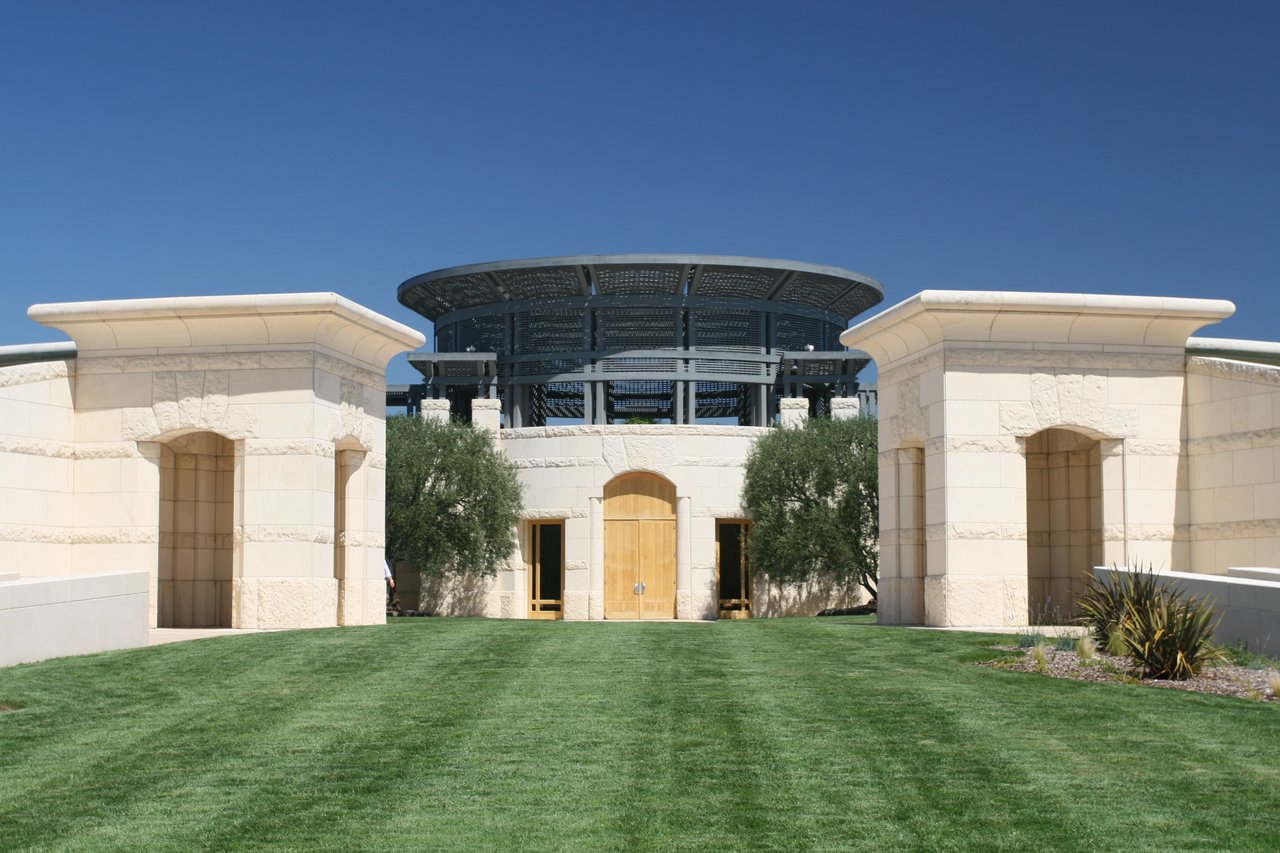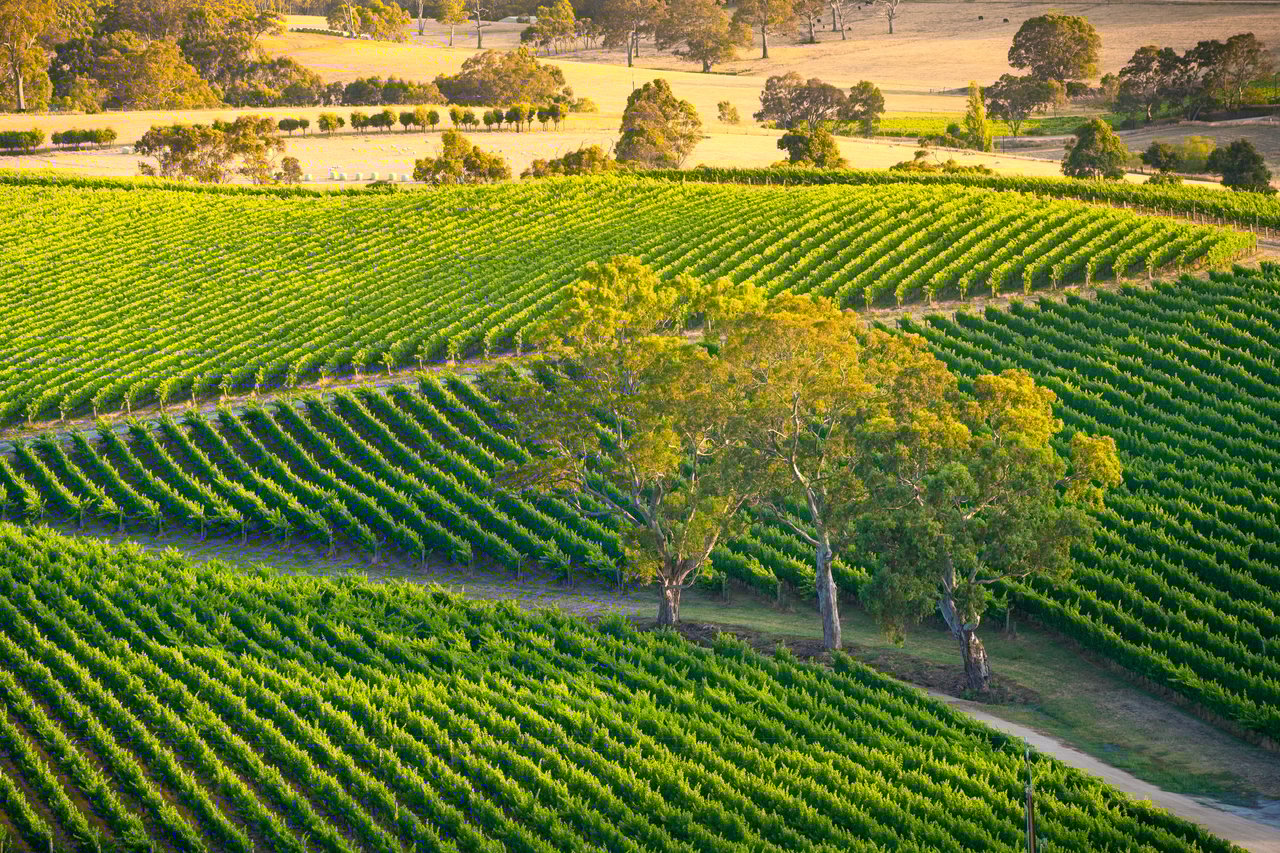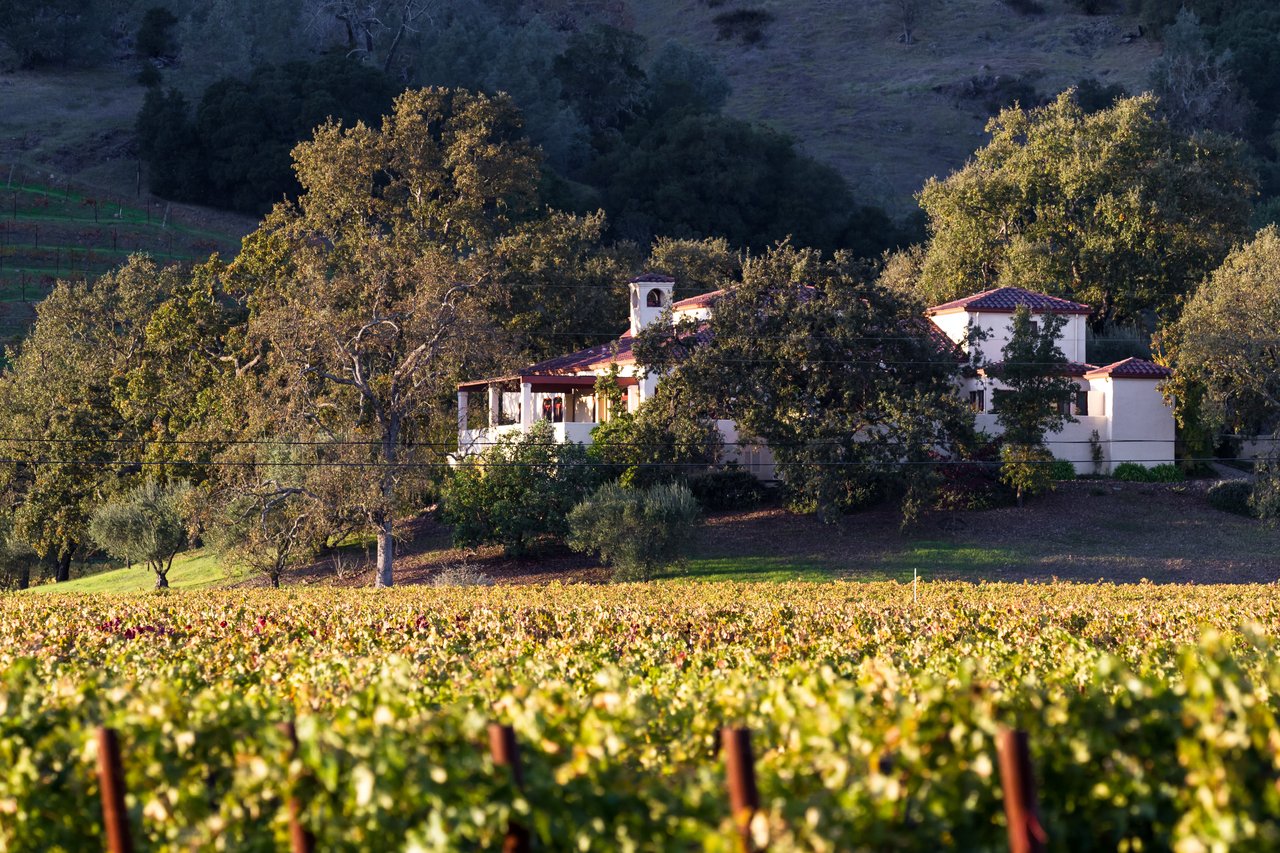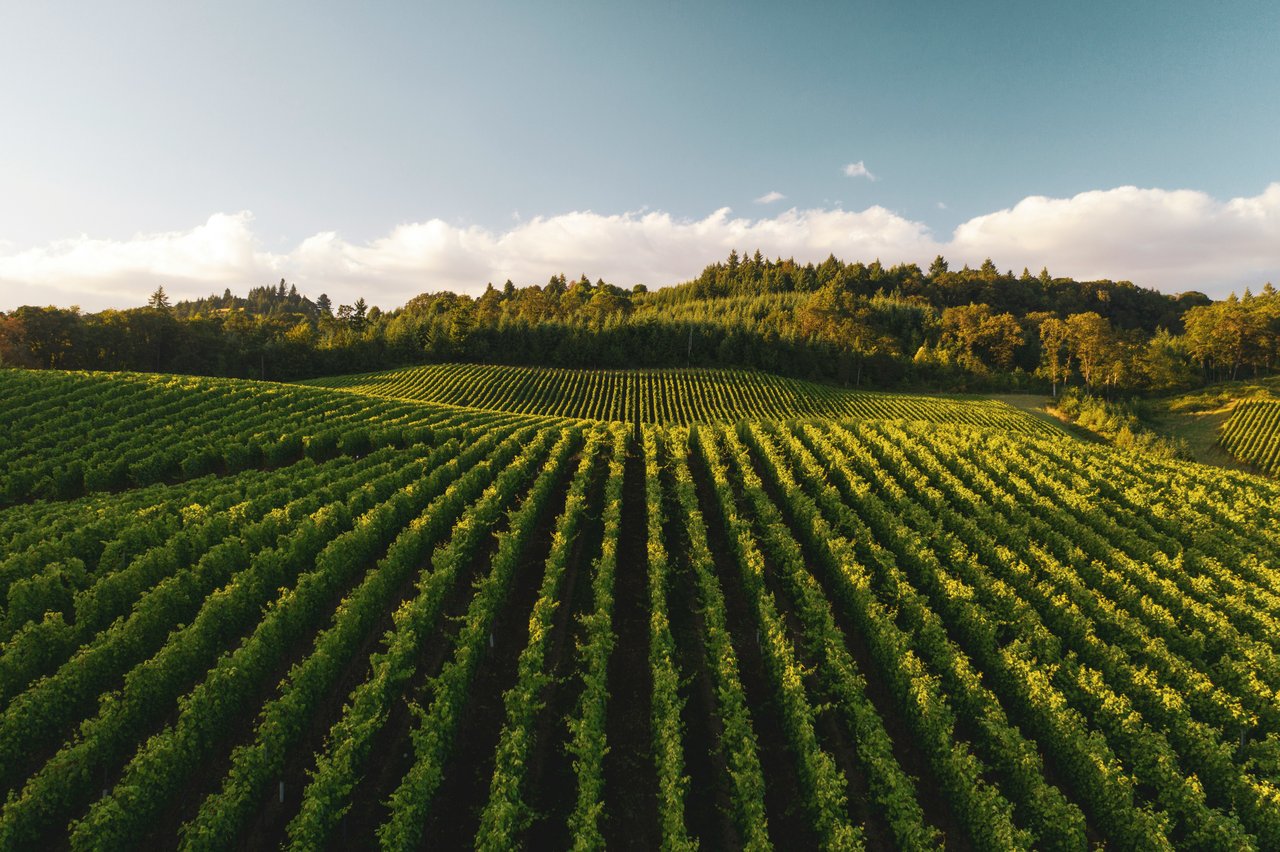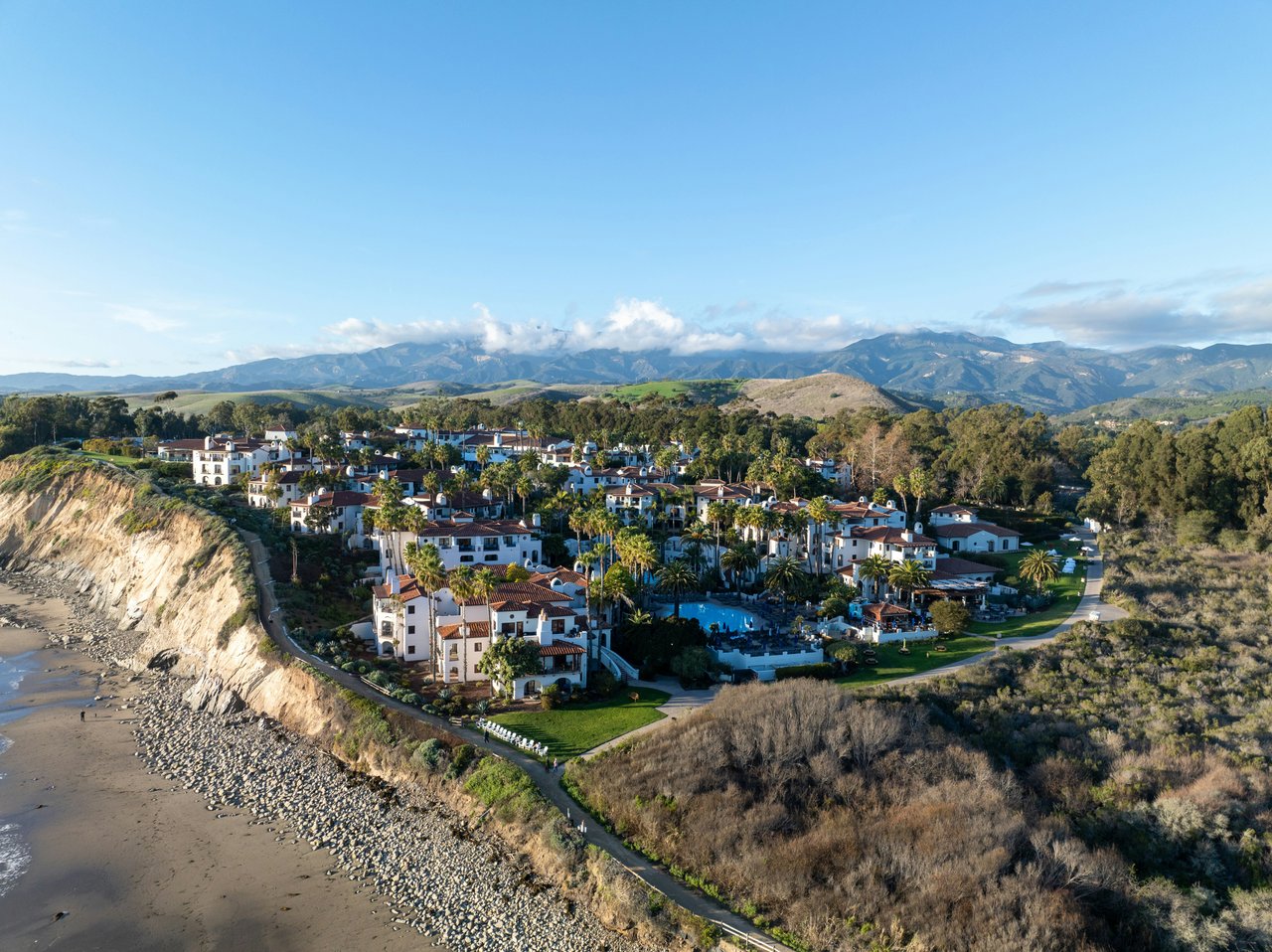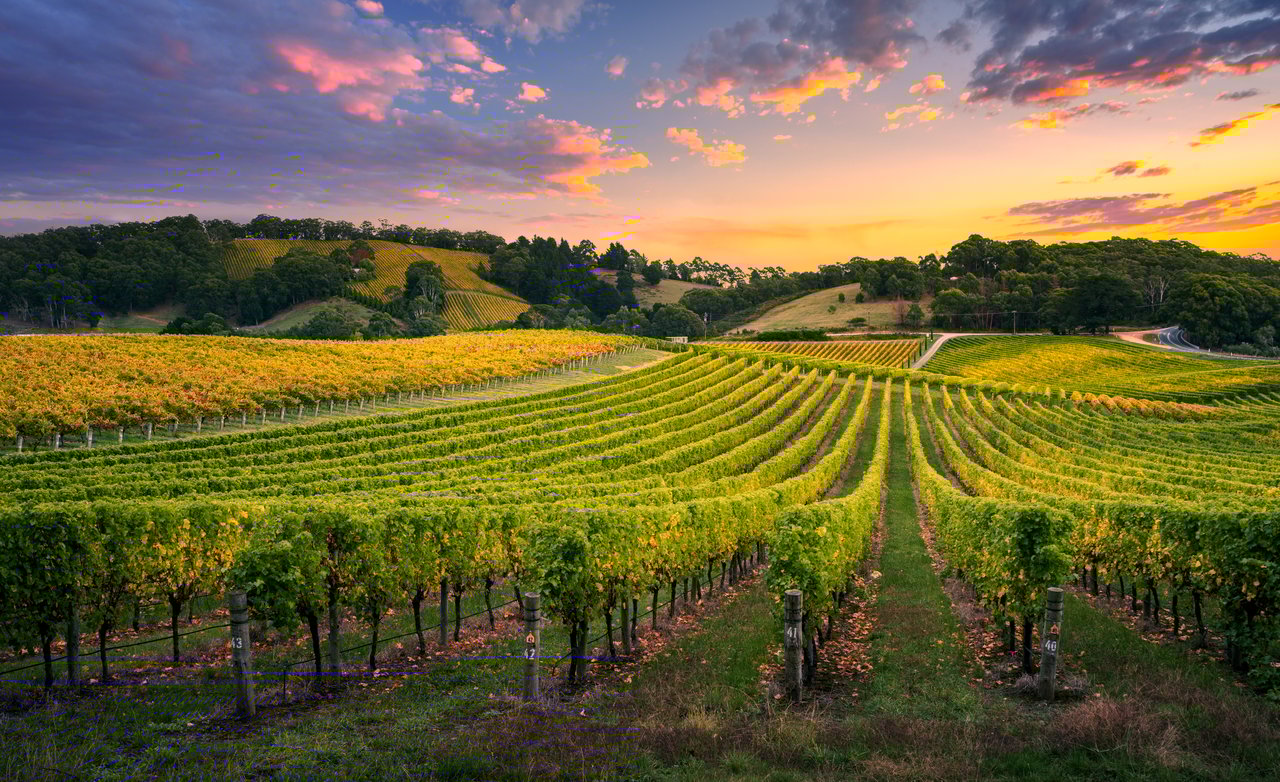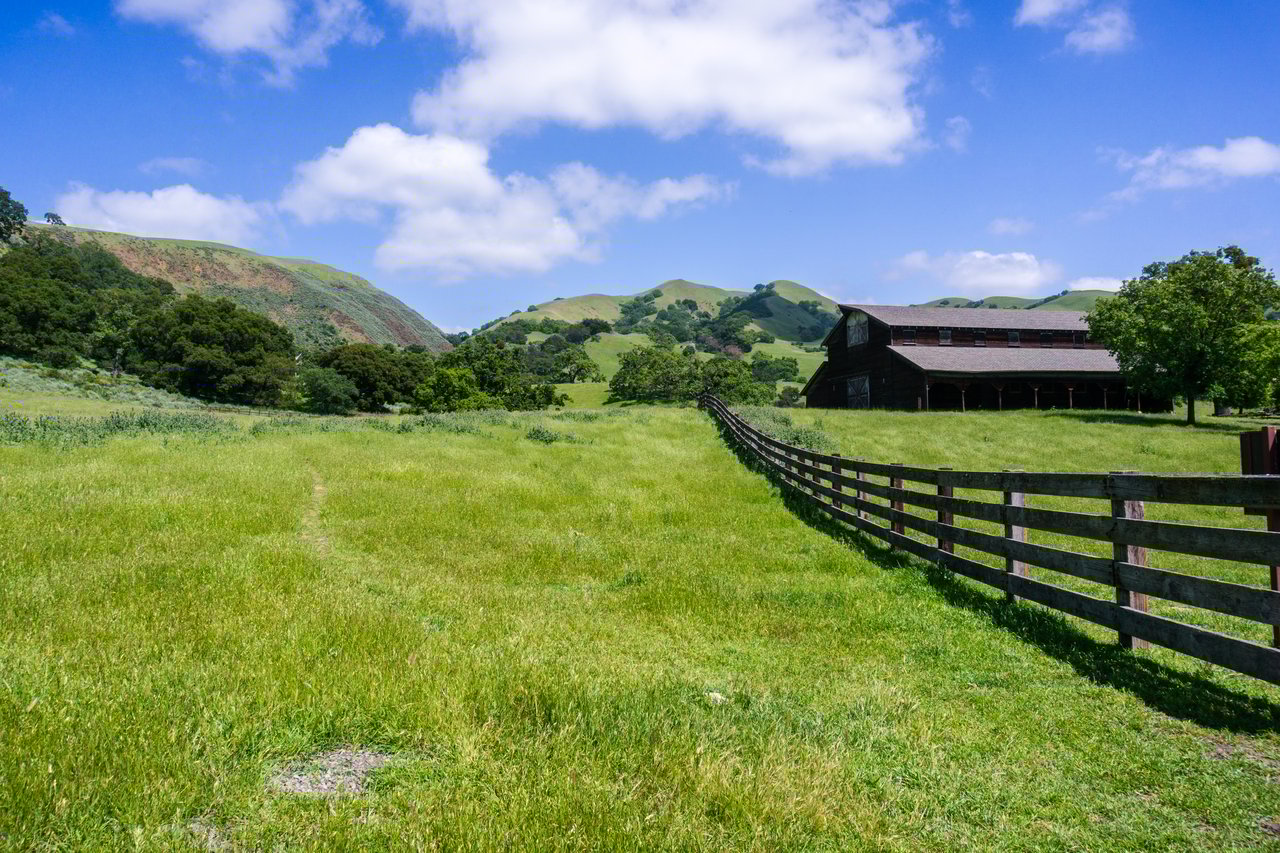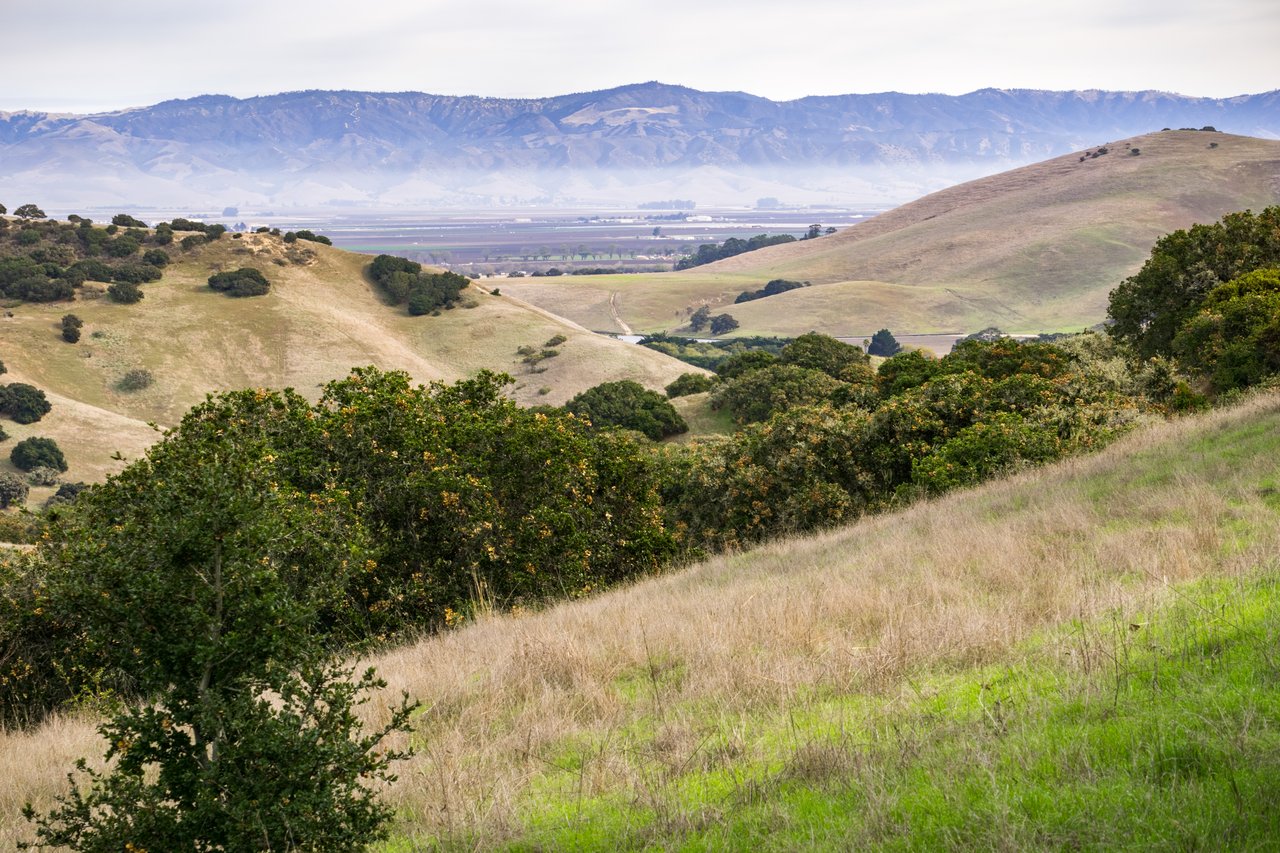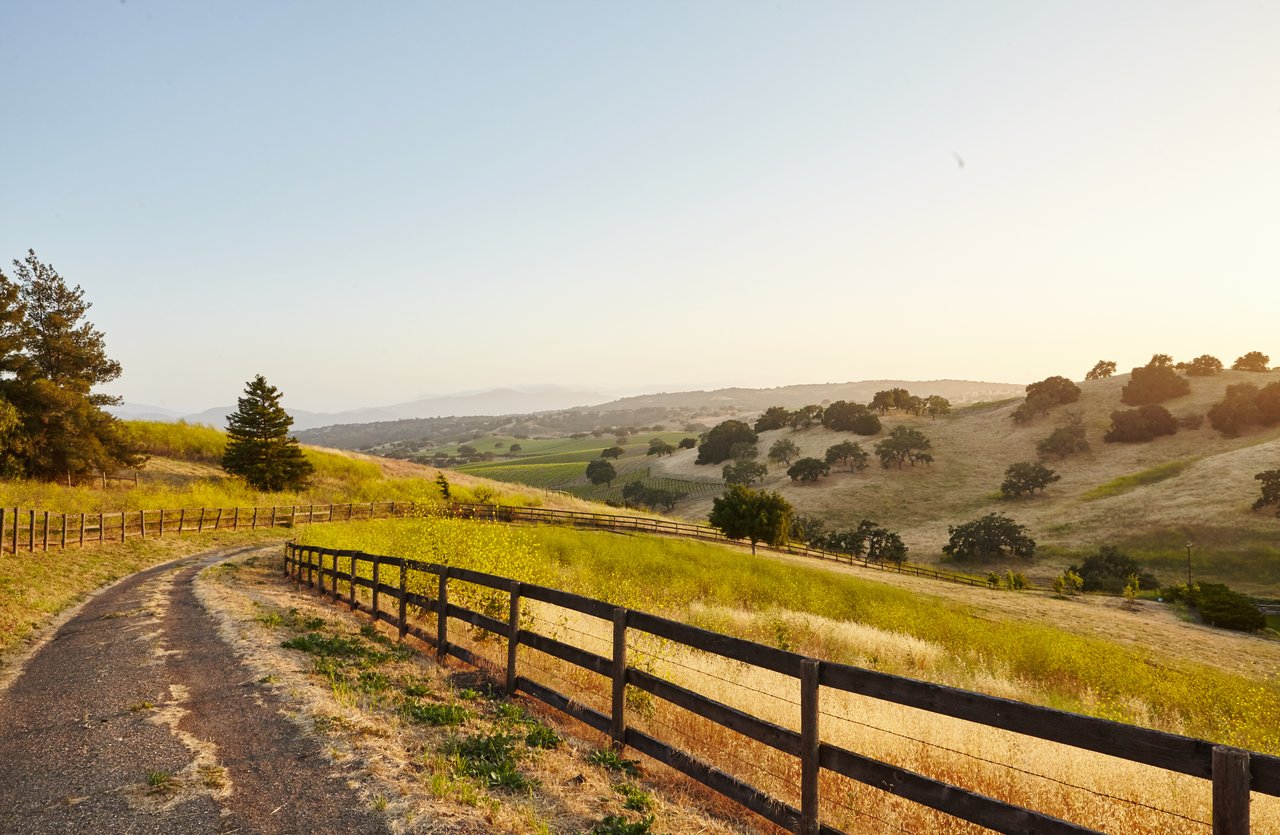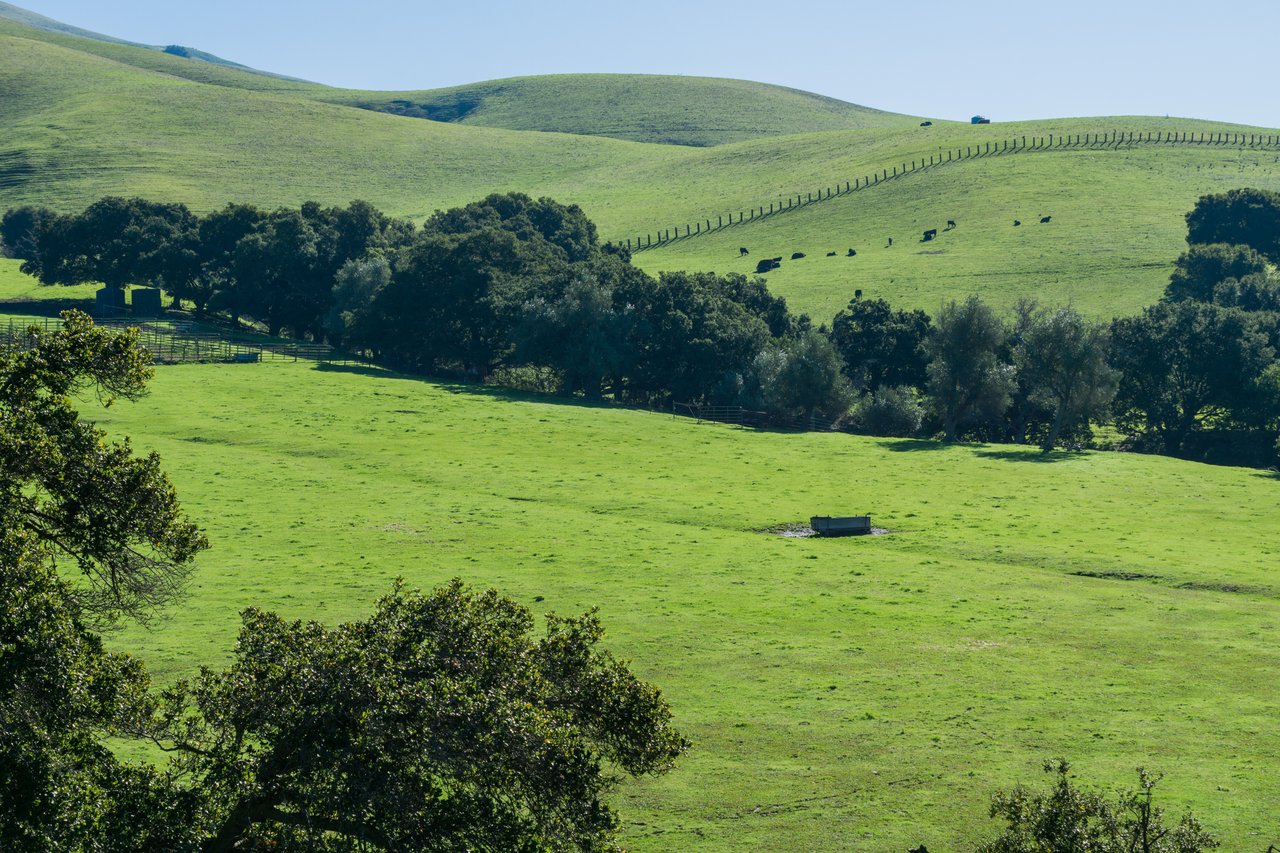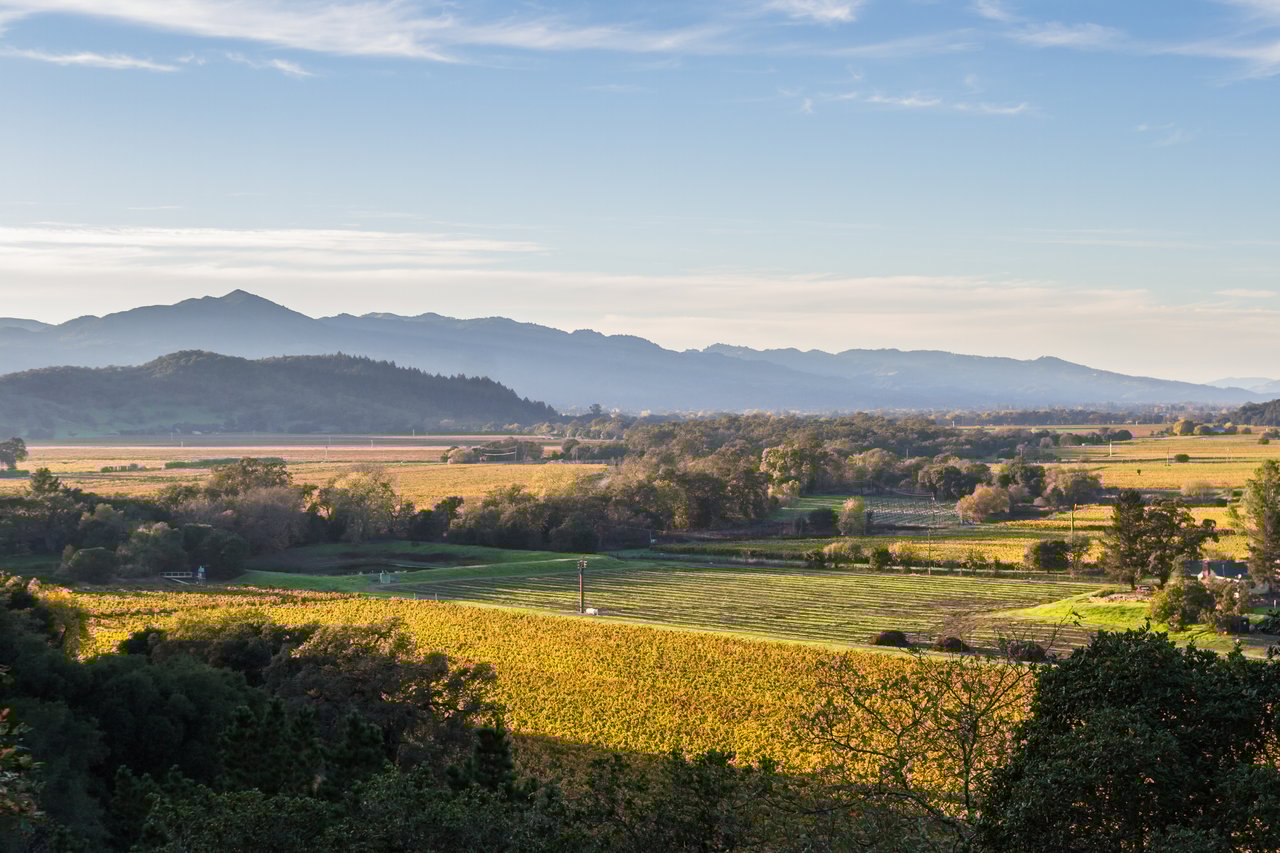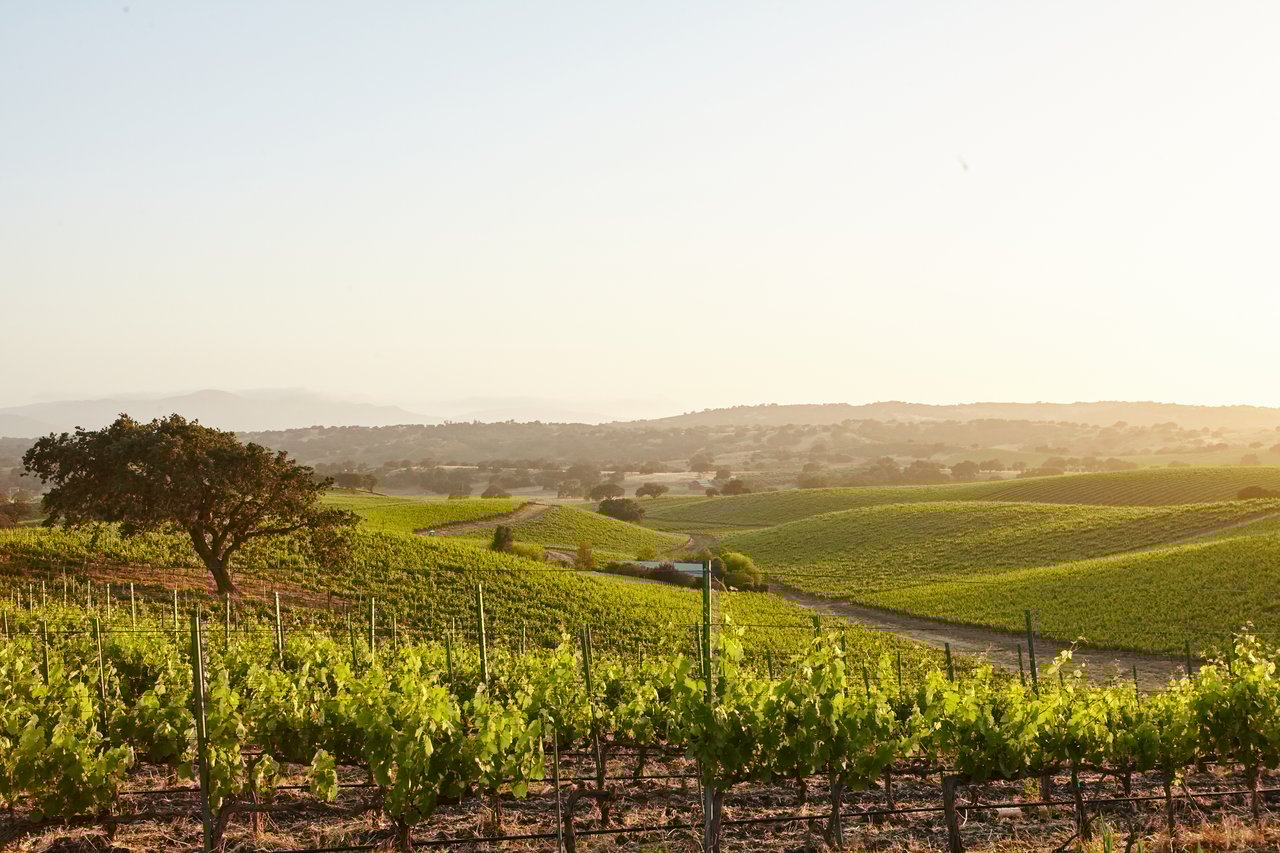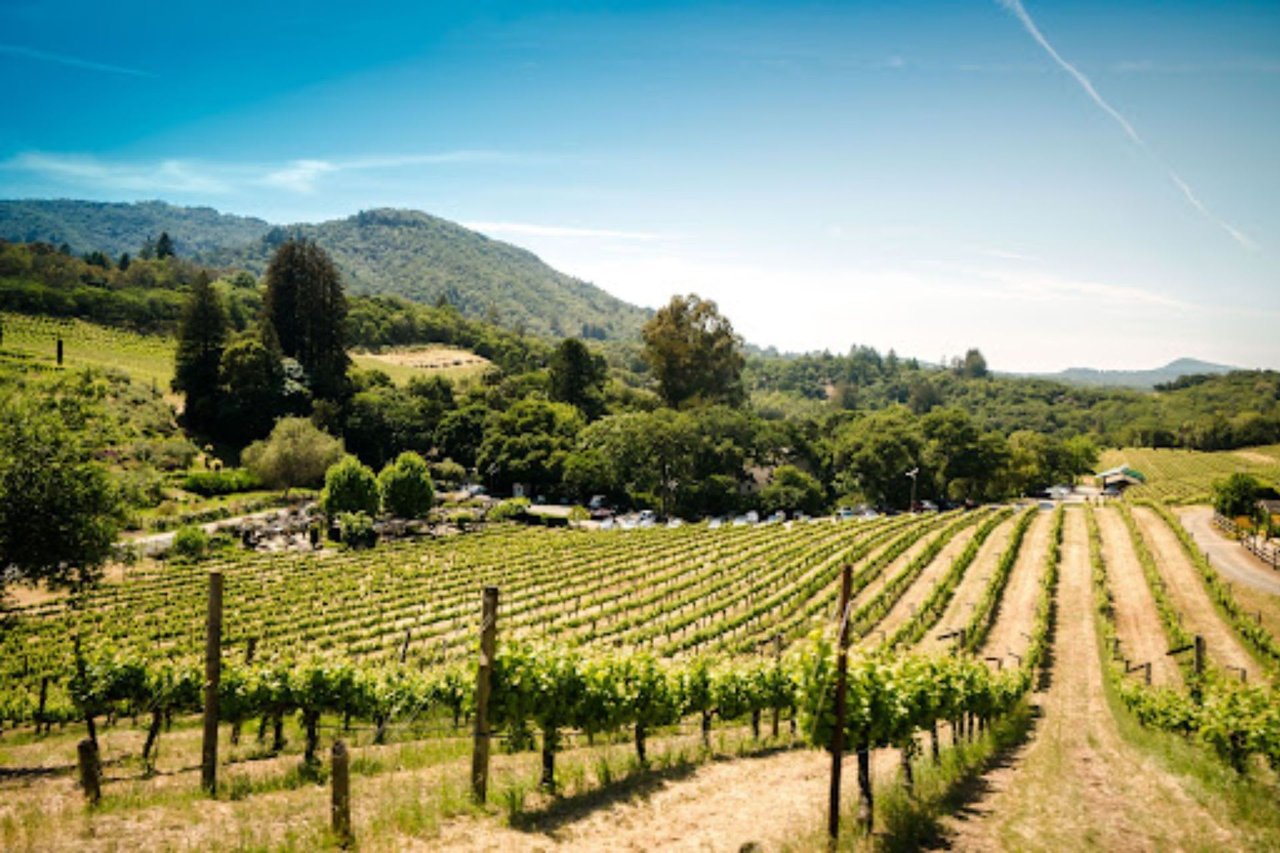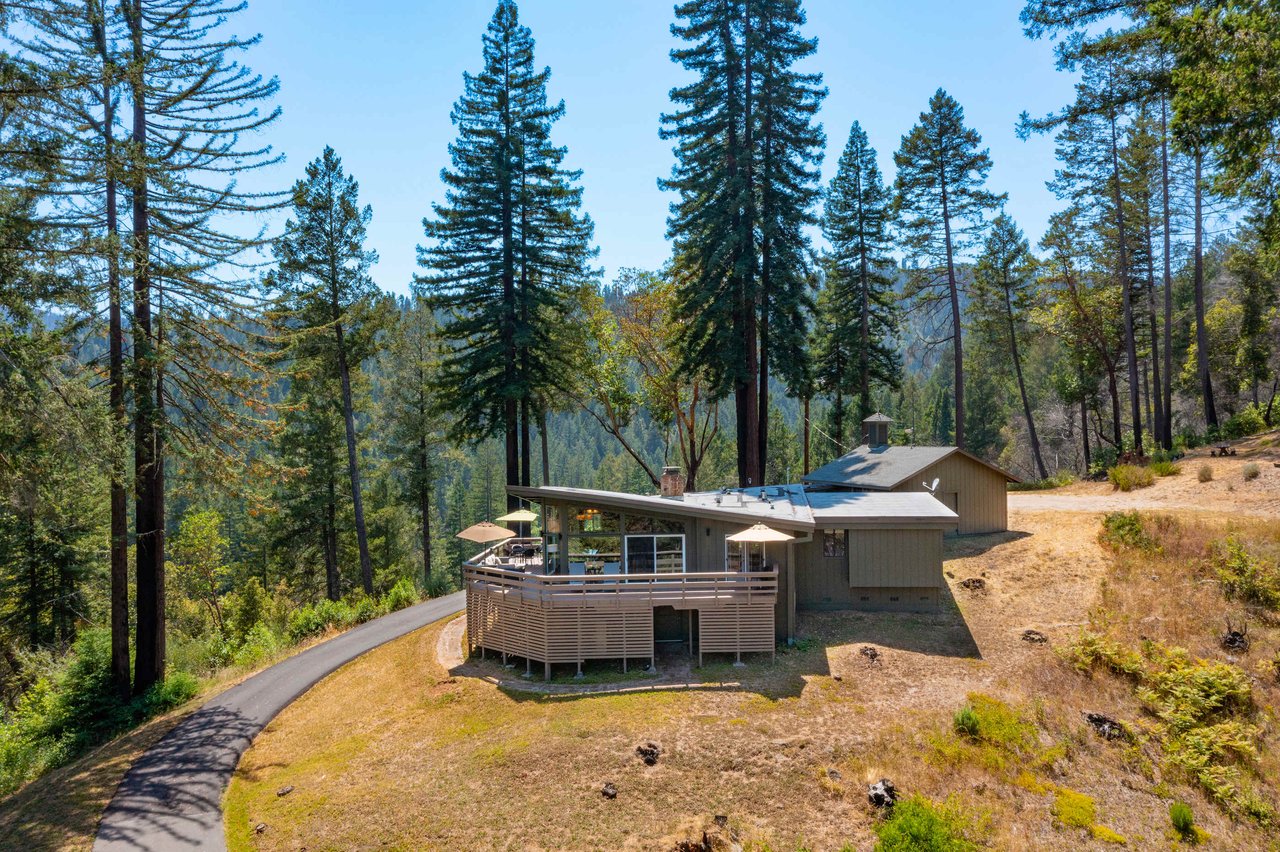
Sonoma County spans diverse landscapes, from rolling hills and valleys to coastal influences, supporting over 60,000 acres of vineyards and a long agricultural heritage. The region's Mediterranean climate features warm, dry summers and mild, wet winters, ideal for grape growing and mixed ranching activities. Properties here range from active commercial operations to smaller estate setups, offering a distinct alternative to suburban or typical rural living.
Many owners appreciate the combination of privacy, natural surroundings, and connection to local food and wine culture. Proximity to the San Francisco Bay Area, major airports, and the Pacific coast adds accessibility for those balancing rural life with urban conveniences.
Sonoma County at a Glance
Sonoma County covers approximately 1,576 square miles, with varied terrain including redwood forests, coastal areas, and fertile valleys. The climate supports diverse agriculture, with annual rainfall averaging 30-40 inches, mostly in winter. The county maintains a strong agricultural economy, with grapes as a leading commodity.
For agricultural statistics and crop reports, visit the Sonoma County Department of Agriculture, Weights & Measures.
The Vineyard and Ranch Lifestyle
Daily Rhythms
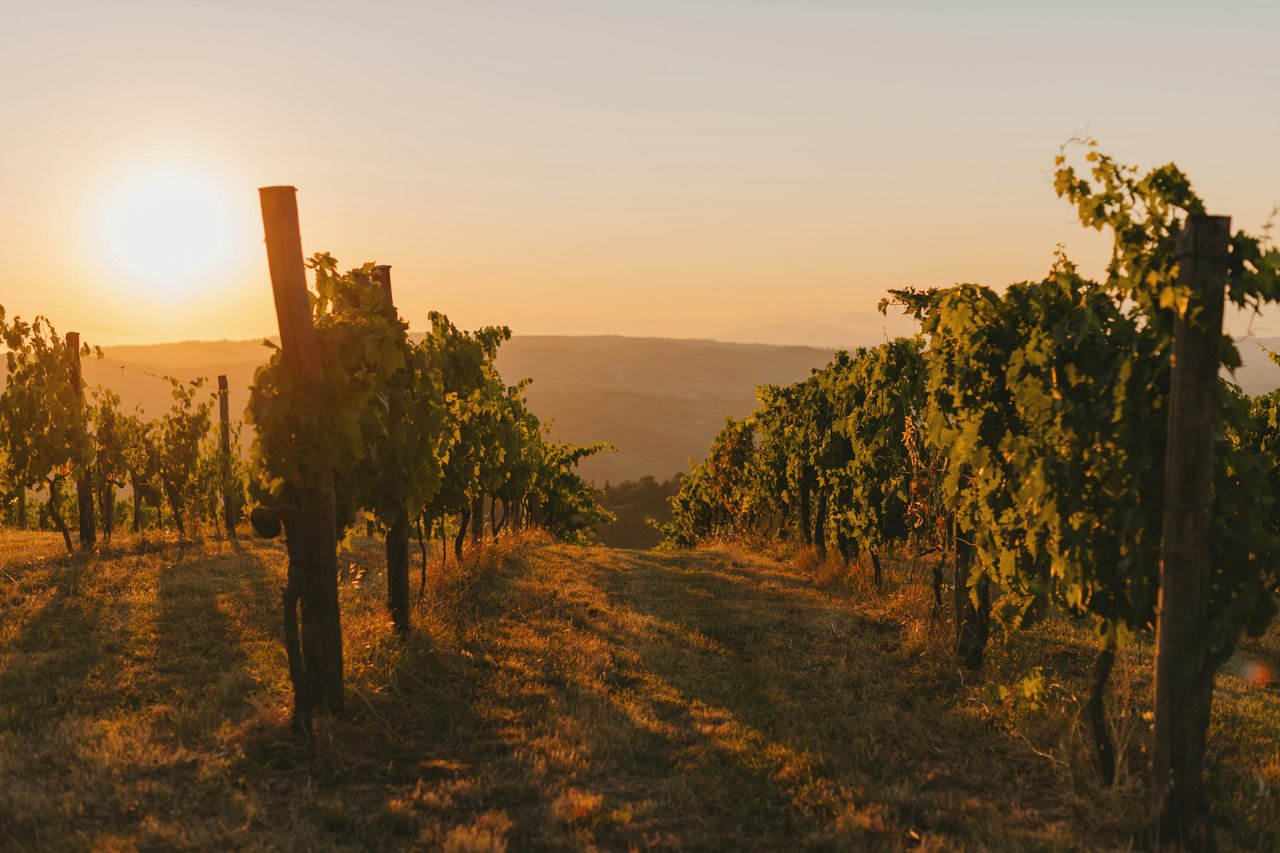
Life on a vineyard or ranch often follows seasonal patterns. Mornings may involve checking vines, irrigating, or tending livestock, while evenings bring quiet sunsets over the hills. The pace shifts with the calendar: slower in winter dormancy, busier during spring growth and fall harvest.
This rhythm contrasts with urban routines, emphasizing hands-on involvement and natural cycles.
Outdoor Living
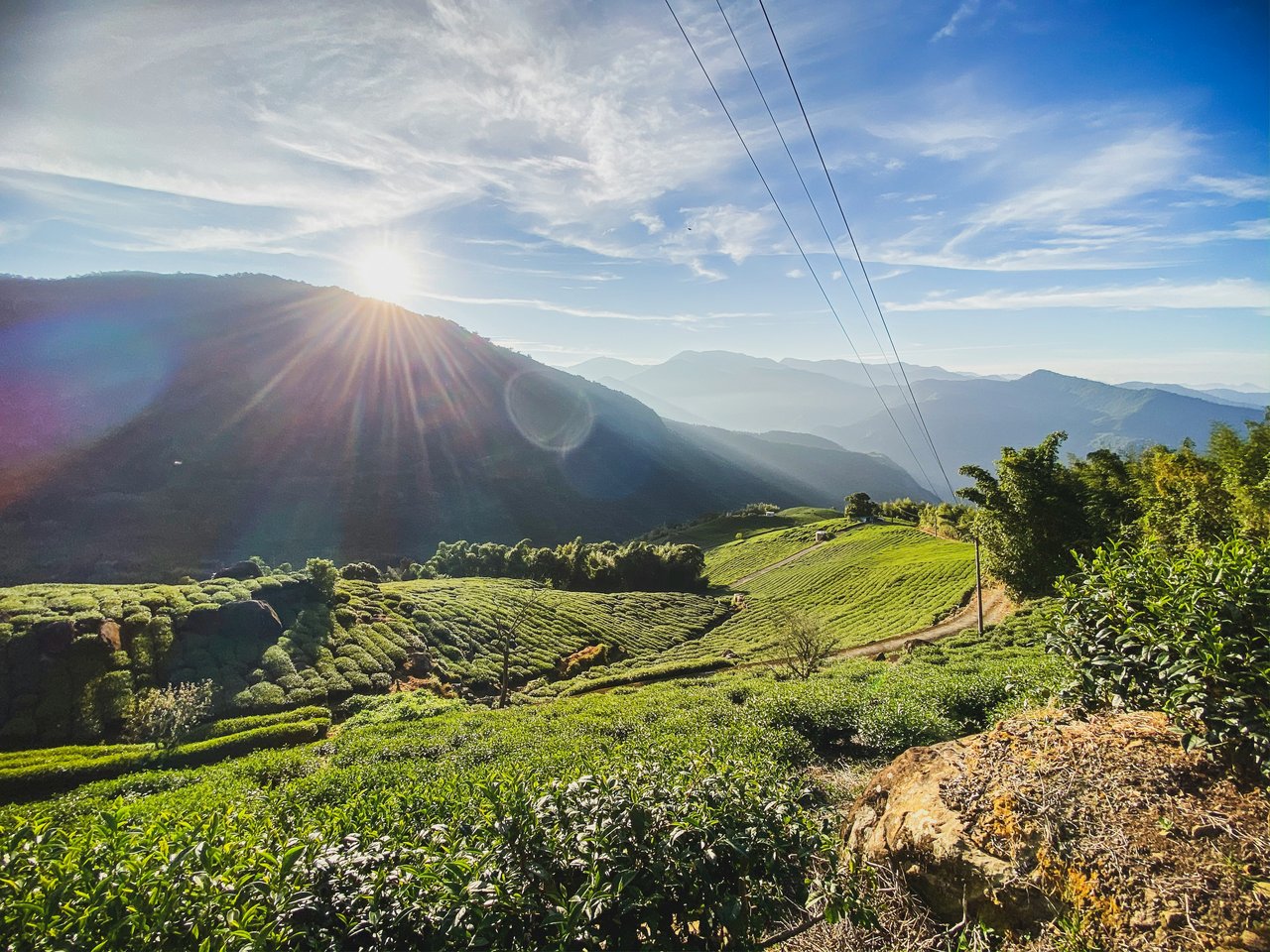
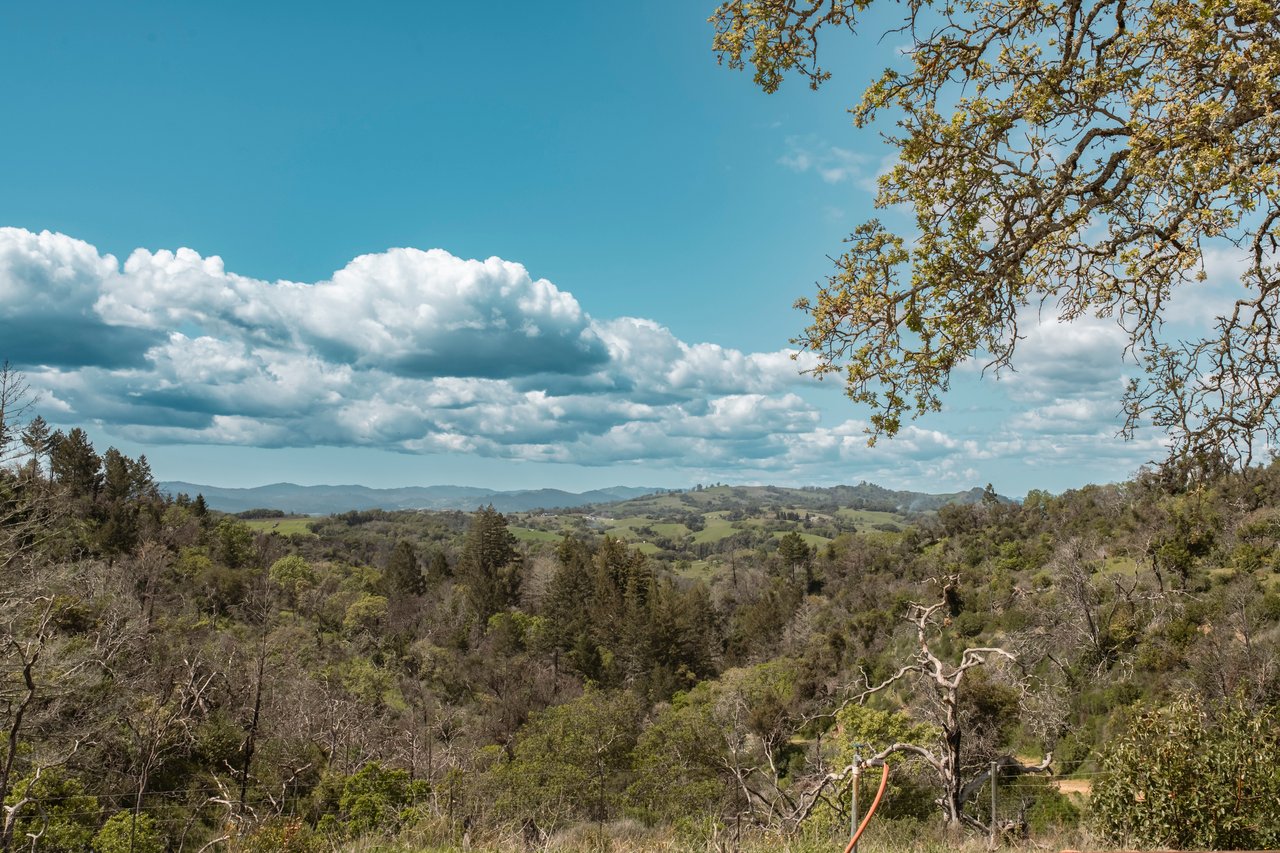
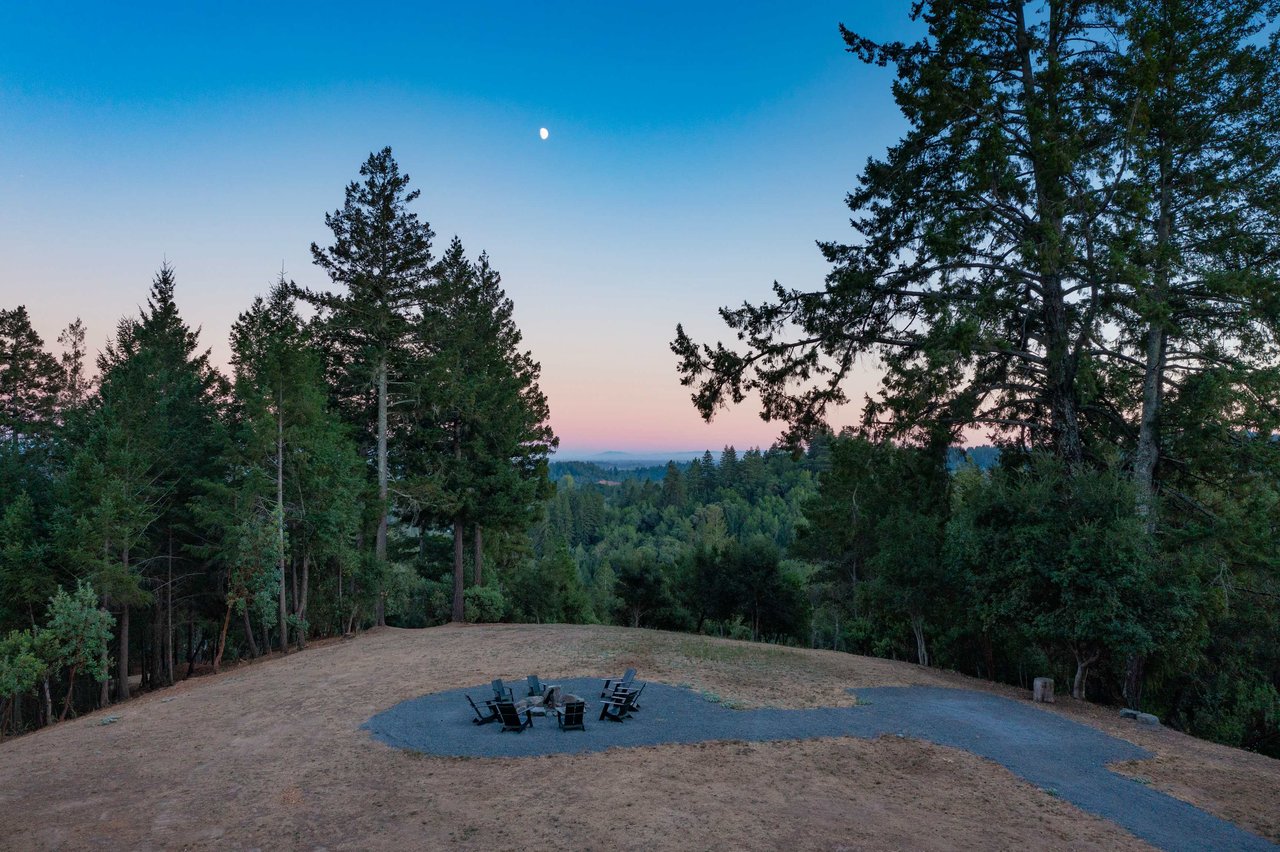
Properties frequently include extensive acreage for hiking, horseback riding, or cycling directly from home. Expansive views of vineyards, mountains, or rivers provide daily immersion in nature, along with privacy and open space uncommon in denser areas.
Community and Culture
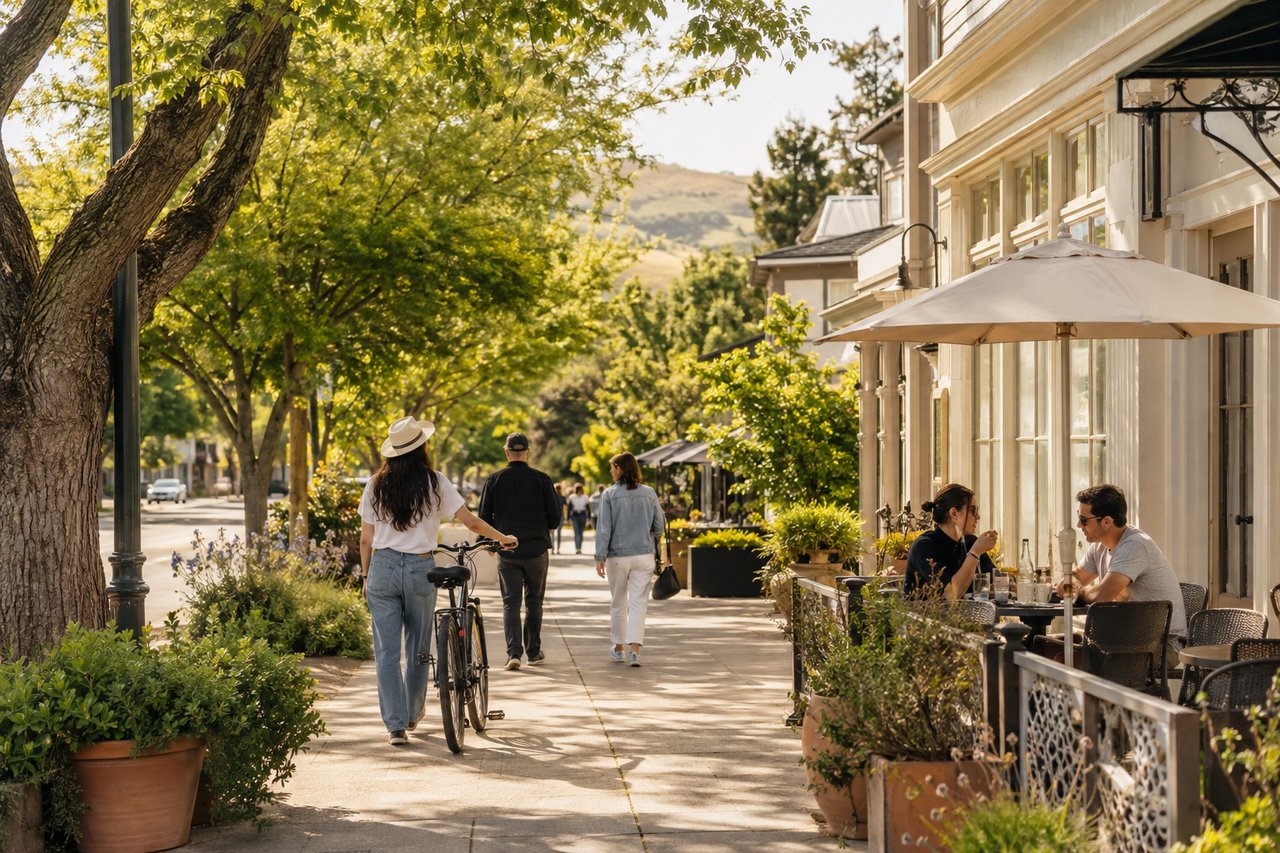
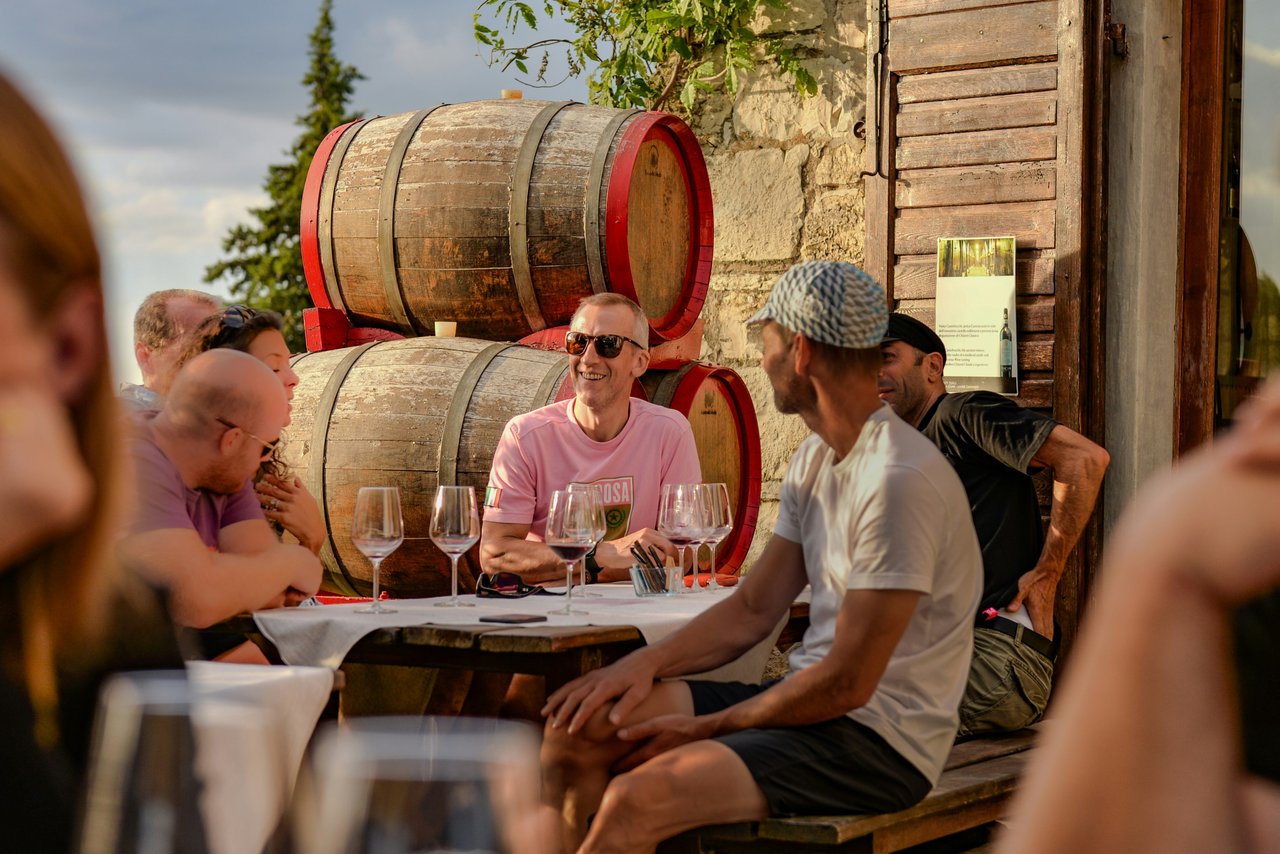
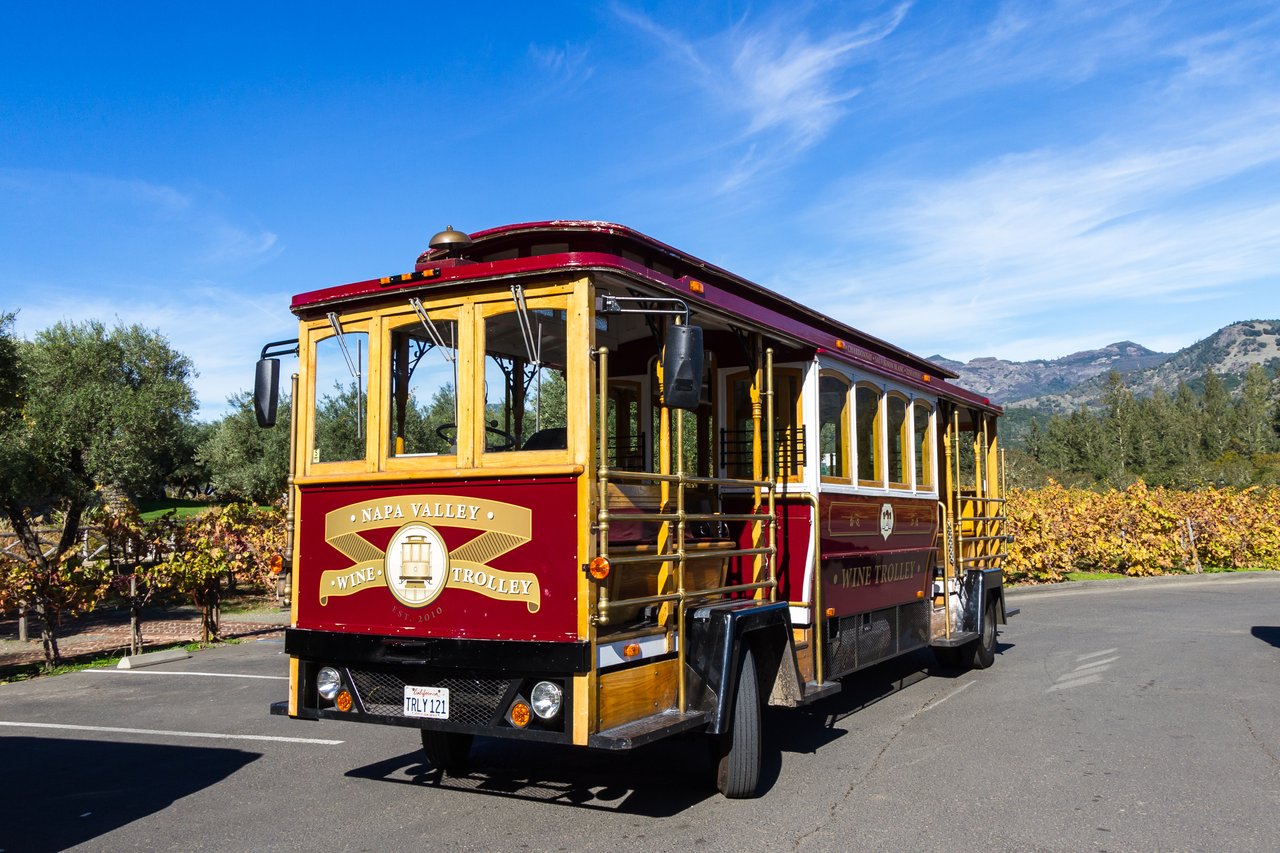
Agricultural communities foster connections through local events like harvest festivals, farmers' markets, and winery tastings. Residents often participate in seasonal gatherings, supporting a sense of shared heritage in wine and farming.
What Makes Living on a Vineyard Unique
Agricultural Identity
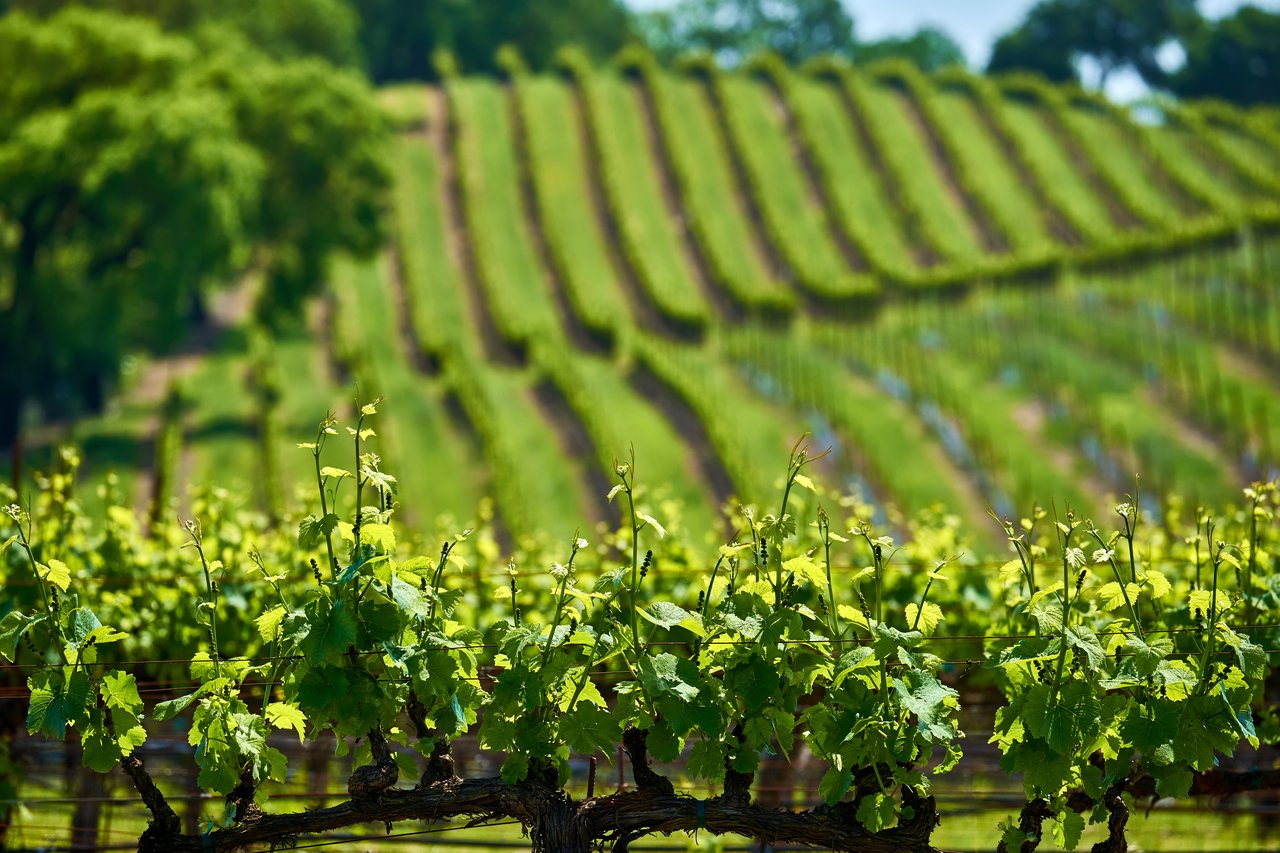
Vineyard properties center on grape cultivation, with cycles of pruning in winter, bud break in spring, and harvest in fall. Ranches may involve livestock or mixed uses, adding layers of daily management.
Hands-On vs. Passive Ownership
Some owners actively manage operations, while others hire vineyard crews, winemakers, or ranch hands for maintenance. Passive approaches allow focus on lifestyle aspects without full-time involvement.
Lifestyle Benefits
Benefits include fresh air, potential for home gardens or orchards, and opportunities for self-sufficiency. The setting supports farm-to-table meals and a slower, land-connected pace.
Maintenance includes irrigation systems, fencing, equipment upkeep, and seasonal labor. Natural challenges encompass drought, frost events, and wildfire risks common to the region. Regulations cover water rights, land use, and environmental practices.
For wildfire preparedness resources, refer to Fire Safe Sonoma.
Day in the Life
Winter might involve pruning vines or equipment maintenance, with quieter days for planning. Spring brings bud monitoring and bloom preparations. Harvest season intensifies with picking, sorting, and potential crush activities.
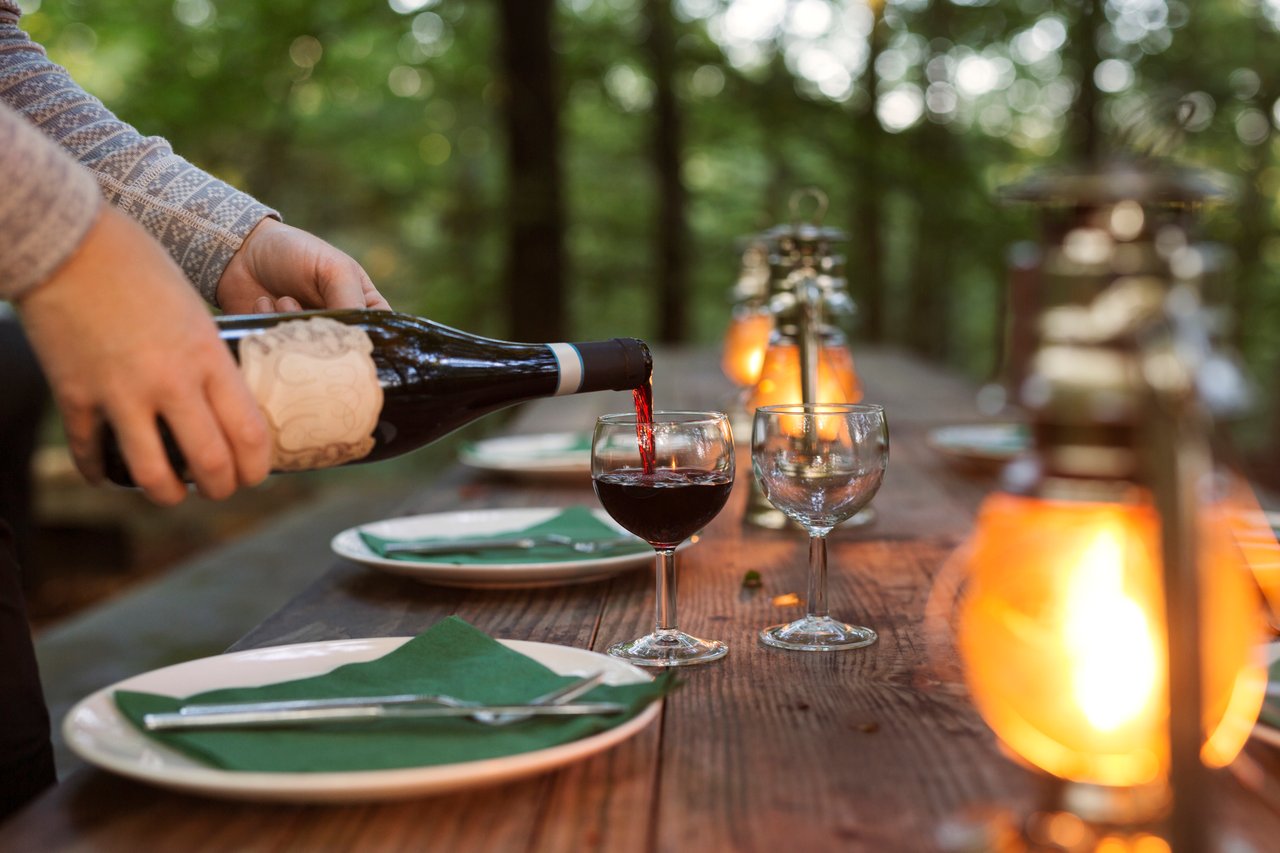
Weekends often feature relaxed vineyard walks, local market visits, or farm-to-table dinners using on-site produce.
What Buyers Should Know
Budget and Costs
Vineyard or ranch properties involve higher initial land values, with unplanted land ranging from $50,000 to $100,000 per acre in some areas, and established vineyards higher depending on location and quality. Ongoing expenses cover labor, equipment, utilities, and potential management fees.
Legal and Practical
Zoning varies, with agricultural designations offering benefits like Williamson Act tax assessments. Water rights, soil quality, slope, and infrastructure require review. Building permits, septic systems, and wells follow county guidelines.
Financing and Insurance
Options include specialized farm or ranch loans. Insurance may address property, crop, or liability needs specific to agricultural use.
Market Trends in Sonoma County Vineyard and Ranch Properties
As of early 2026, Sonoma County agricultural properties reflect varied activity. Vineyard and ranch listings range widely, with some reports noting increased inventory in certain segments and prices influenced by location and production potential. Broader county housing trends show median prices around $780,000-$1,500,000 for general homes, with premium vineyard estates often higher.
Buyer profiles include lifestyle seekers, second-home owners, and those interested in production or investment. For detailed crop and production data, check the Sonoma County Crop Report.
Current vineyard-focused listings can be explored through specialized resources like Vintroux Vineyard and Winery Sales.
Choosing the Right Property
Questions to Ask
Key factors include soil type, water access, aspect for sun exposure, existing vines or infrastructure, and outbuildings. Evaluate proximity to services and potential for intended use.
Working with a Specialist
Niche expertise helps navigate due diligence, including agricultural assessments, regulations, and market specifics.
Key Considerations for Vineyard and Ranch Living in Sonoma County
Properties offer immersion in agriculture and nature but demand ongoing attention to maintenance and environmental factors. Access to water, sustainable practices, and regional risks shape long-term viability. Many owners balance active involvement with professional support for operations.
- Seasonal Rhythms: Daily life follows pruning, growth, and harvest cycles.
- Outdoor Access: Extensive space for recreation and nature immersion.
- Community Ties: Participation in local agricultural events and culture.
- Income Potential: Opportunities from grapes, livestock, or agritourism.
- Maintenance Needs: Irrigation, equipment, and weather-related challenges.
Embracing Life on a Sonoma County Vineyard or Ranch
Living on a vineyard or ranch in Sonoma County combines rewarding connections to land, nature, and community with the practical demands of agricultural stewardship. The lifestyle appeals to those seeking space, seasonal rhythms, and wine country heritage, balanced against maintenance and regional considerations.
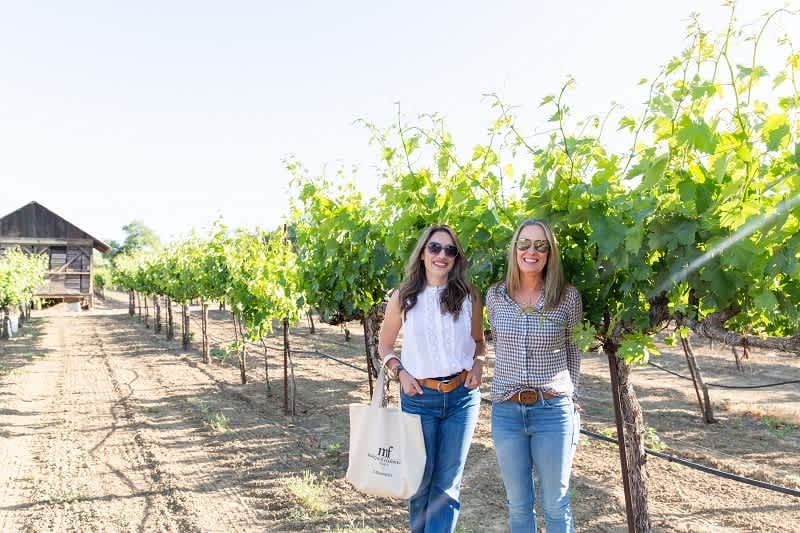
For personalized guidance on current listings, market insights, or tailored advice on vineyard and ranch properties in Sonoma County, reach out to the experienced team at Marquis Farwell Homes. Visit marquisfarwellhomes.com to explore available properties and connect with local experts who know the area inside and out.