Vineyard Properties in Sonoma County: Real Estate Insights, Benefits, and Maintenance Considerations
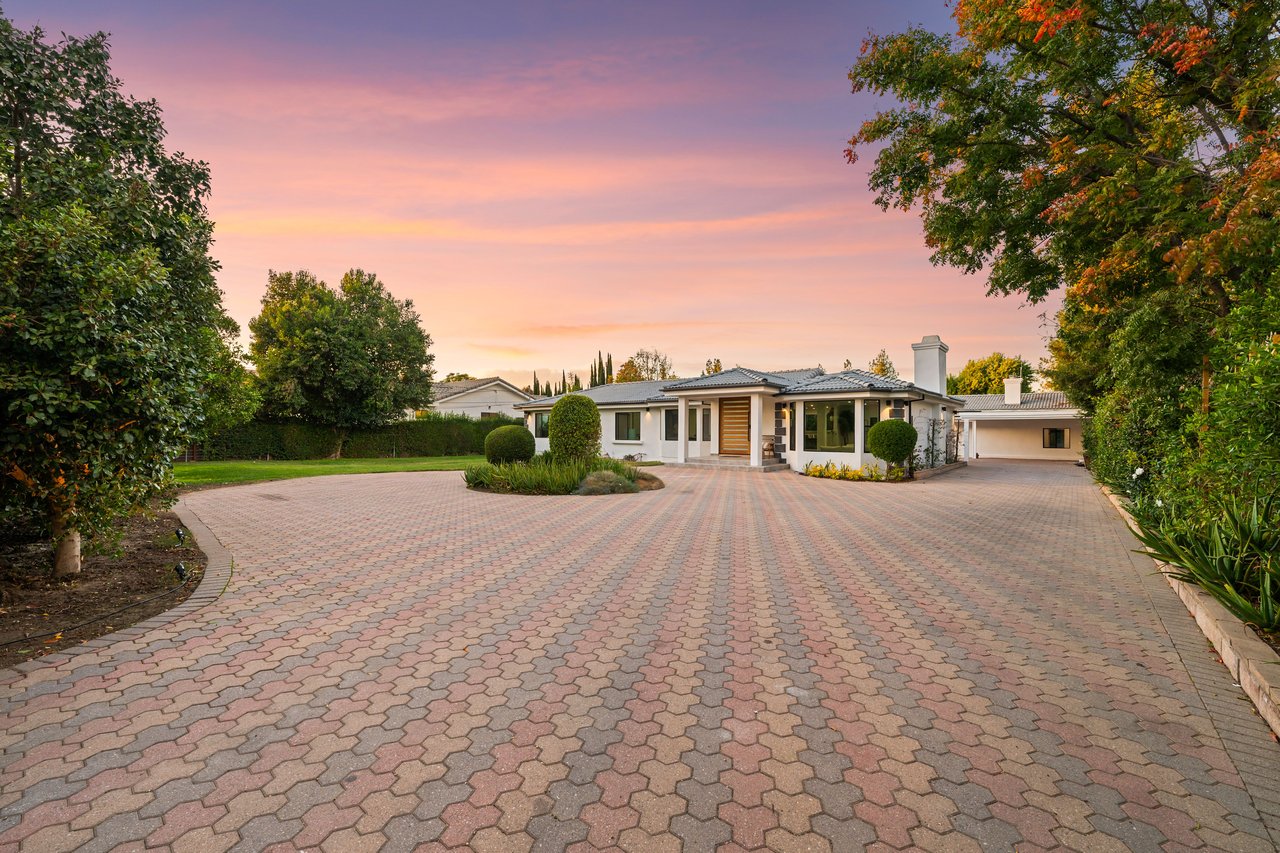
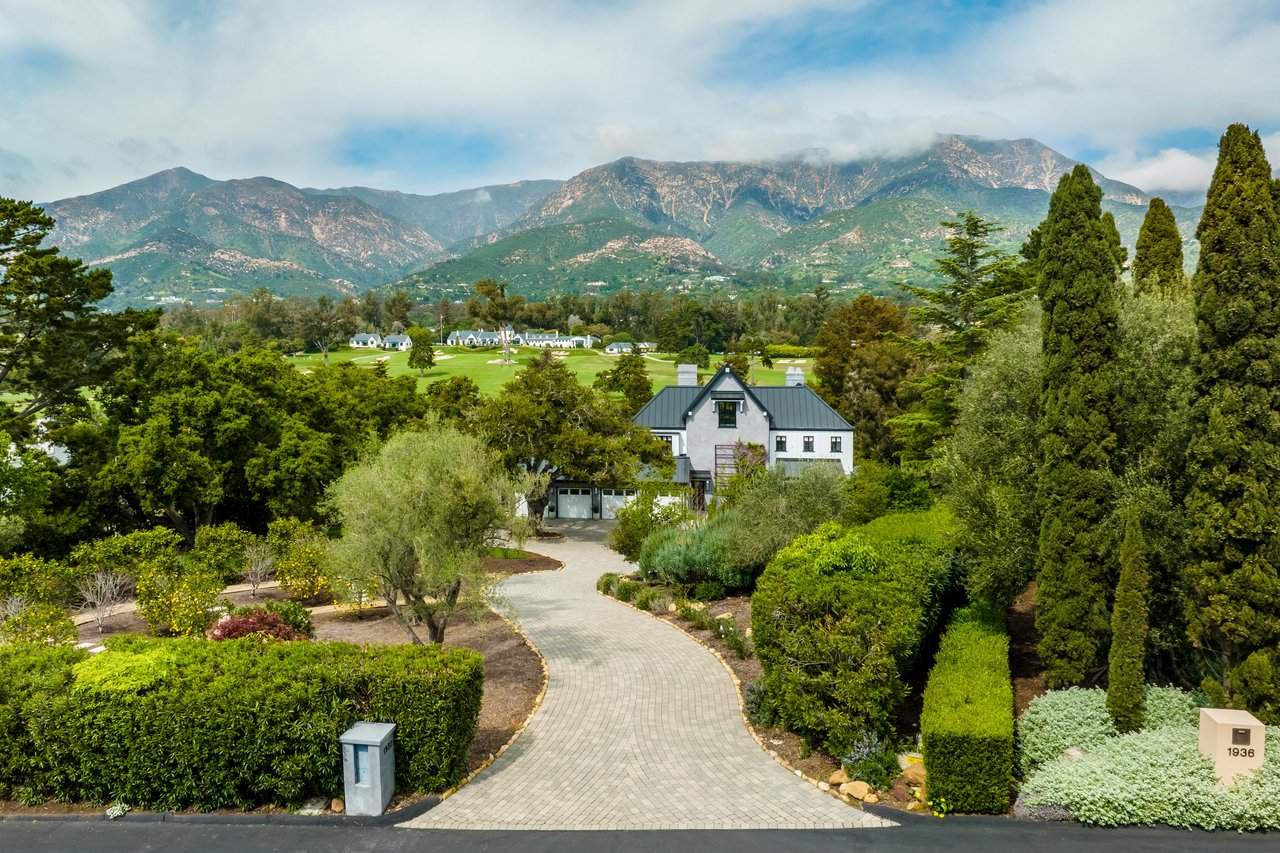
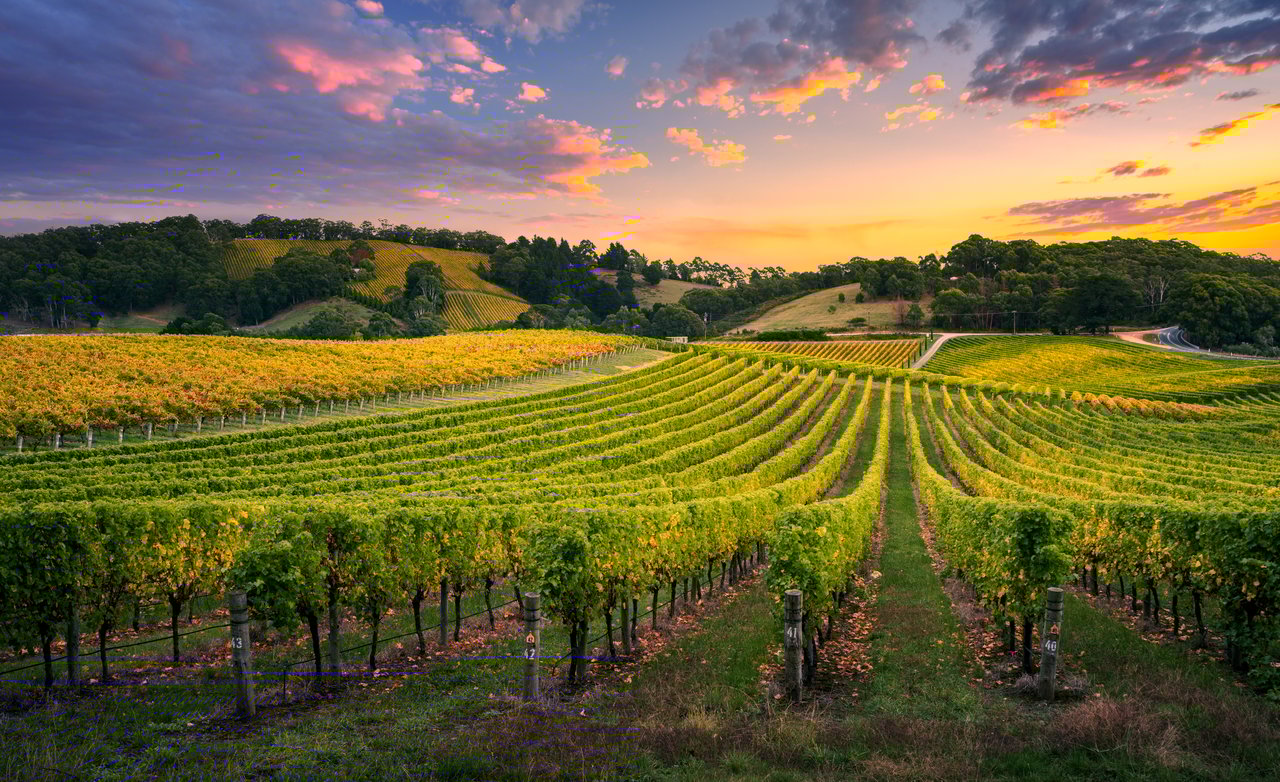
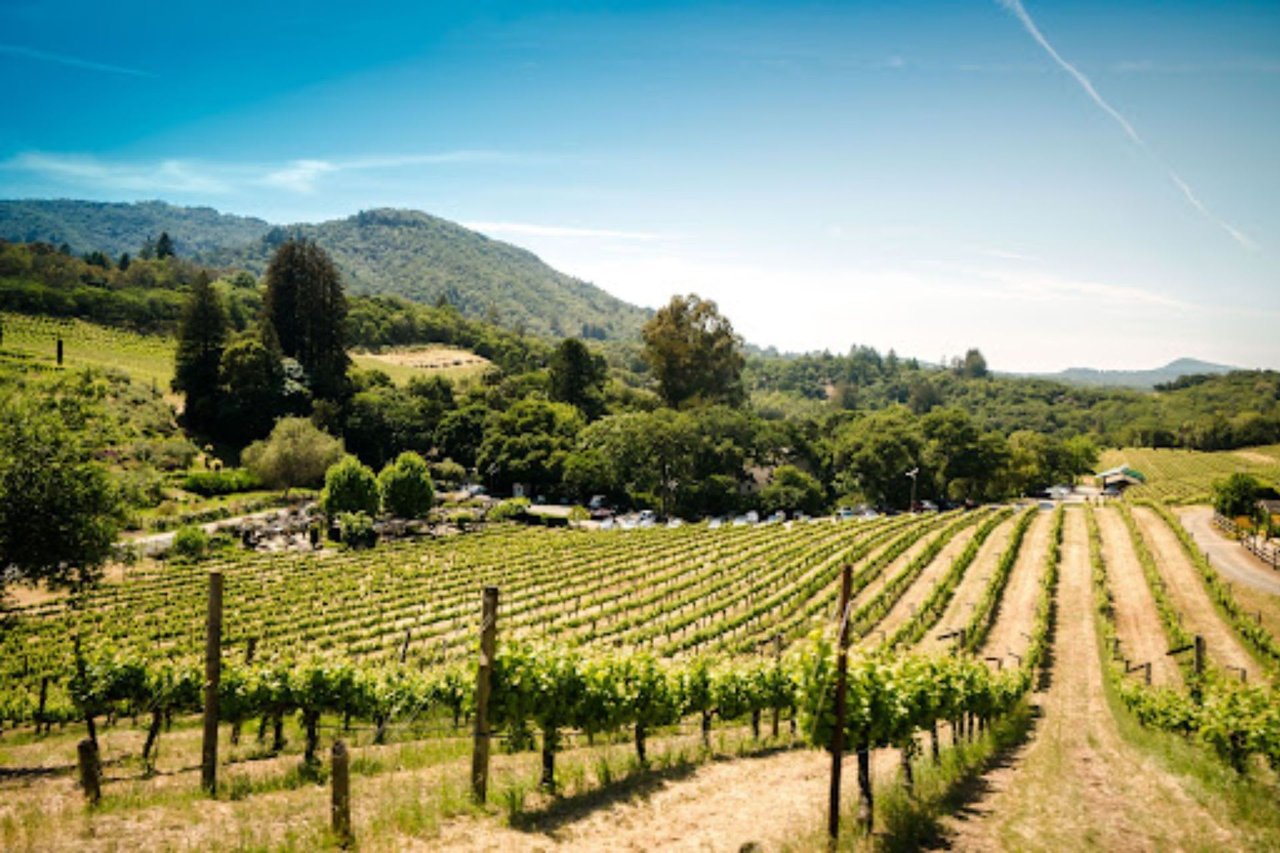
Sonoma County encompasses more than 60,000 acres of vineyards, positioning it as a leading region in California's wine production. Vineyard properties in the area include a spectrum of options, from estates with boutique plantings to homes featuring smaller hobby vineyards and larger agricultural parcels. These properties draw interest from buyers seeking combinations of residential living, scenic appeal, and agricultural elements. Current market conditions reflect broader Sonoma County trends, with inventory levels varying across segments.
Sonoma County Real Estate Market Overview
Recent reports indicate median home prices in Sonoma County ranging from approximately $780,000 to $875,000, depending on the period and data source. The luxury segment, which often includes vineyard properties, shows increased inventory in certain areas.
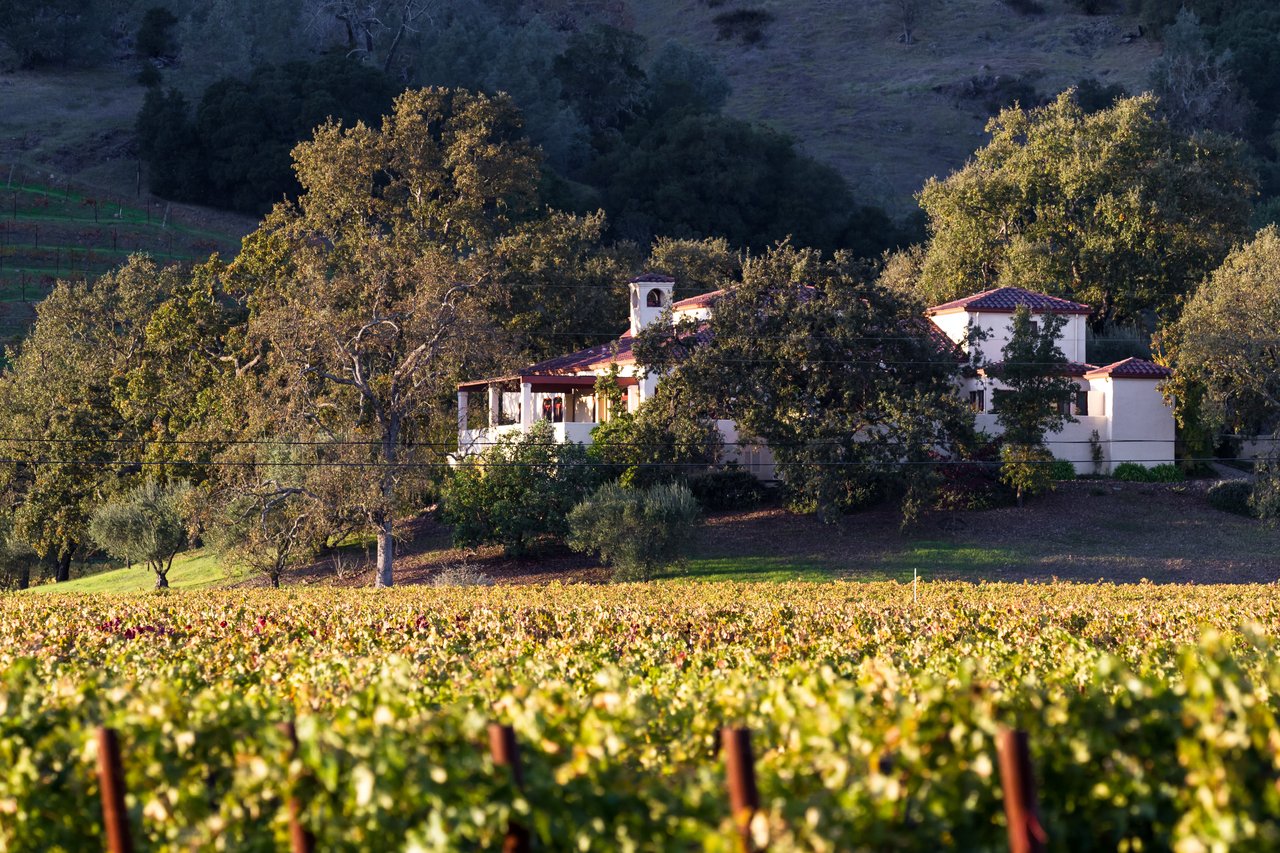
Vineyard-inclusive properties appear across key areas, including Dry Creek Valley, Russian River Valley, Alexander Valley, and Sonoma Valley. Listings feature diverse scales, from residential homes with modest plantings to more extensive estates.
Agricultural and Economic Advantages of Vineyard Properties
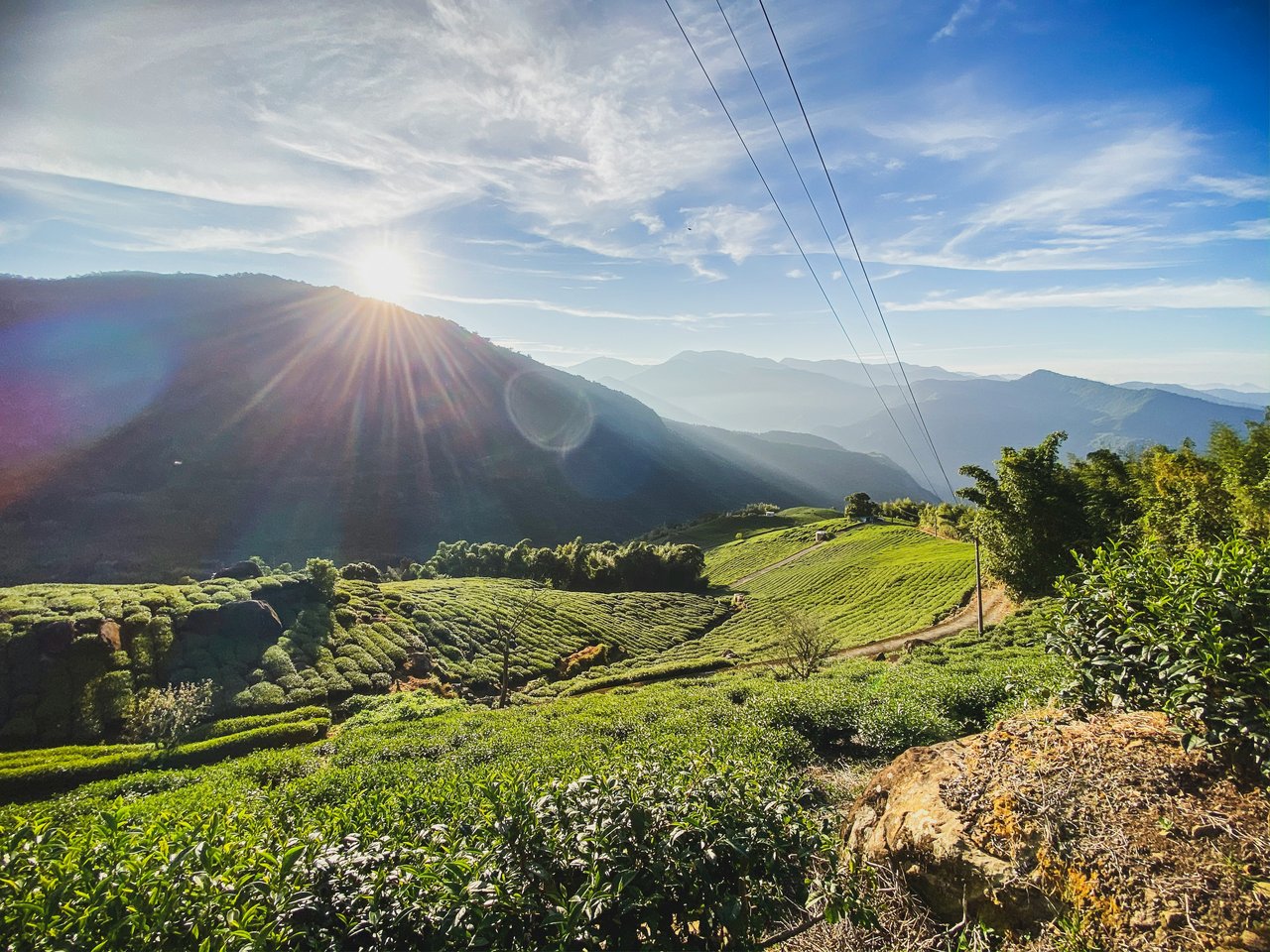
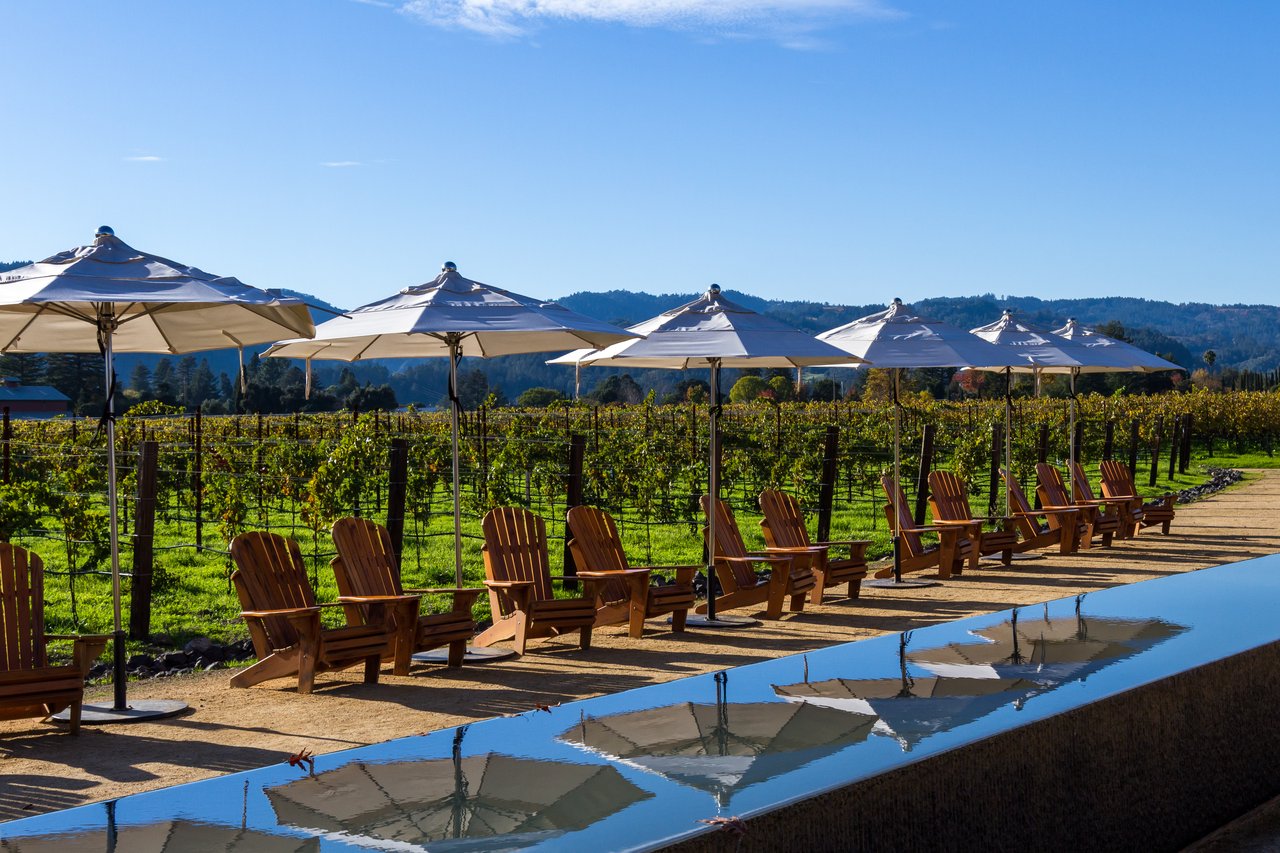
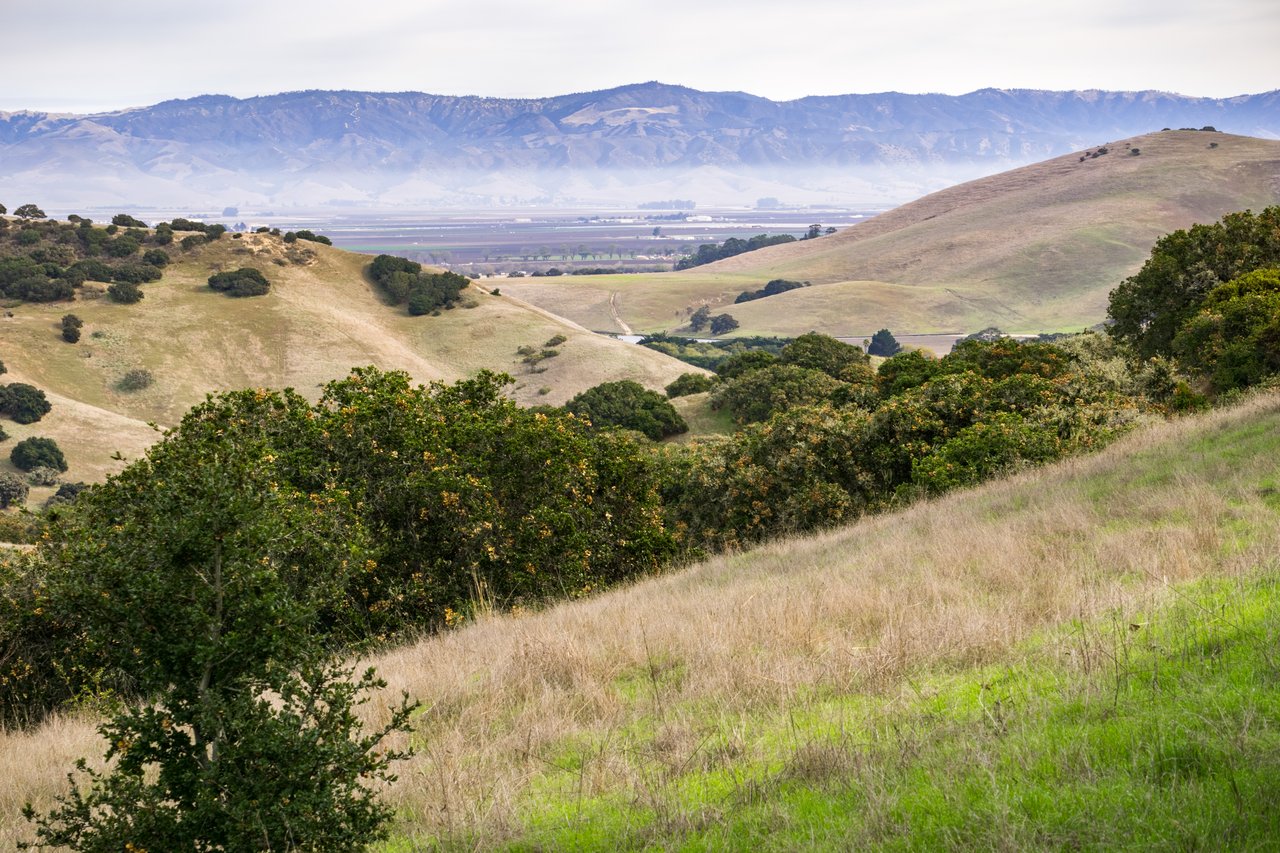
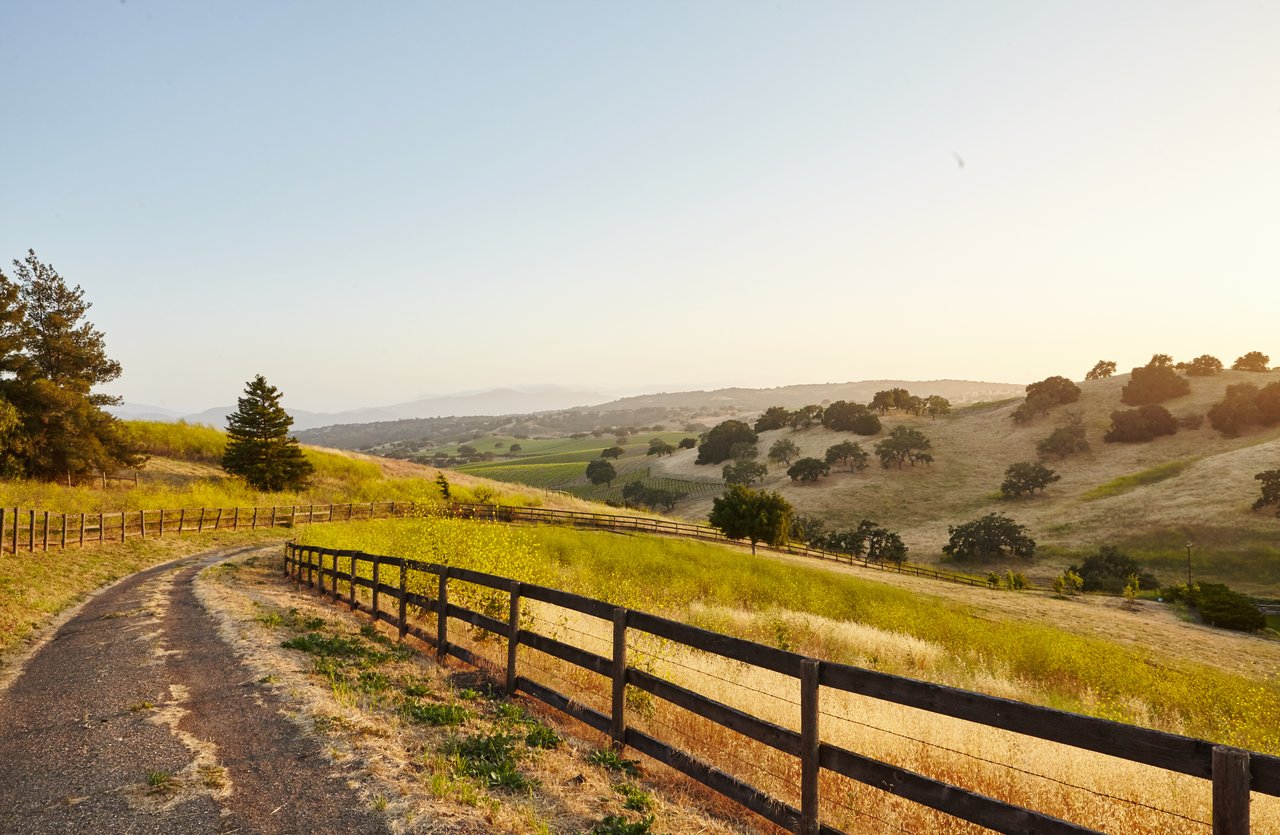
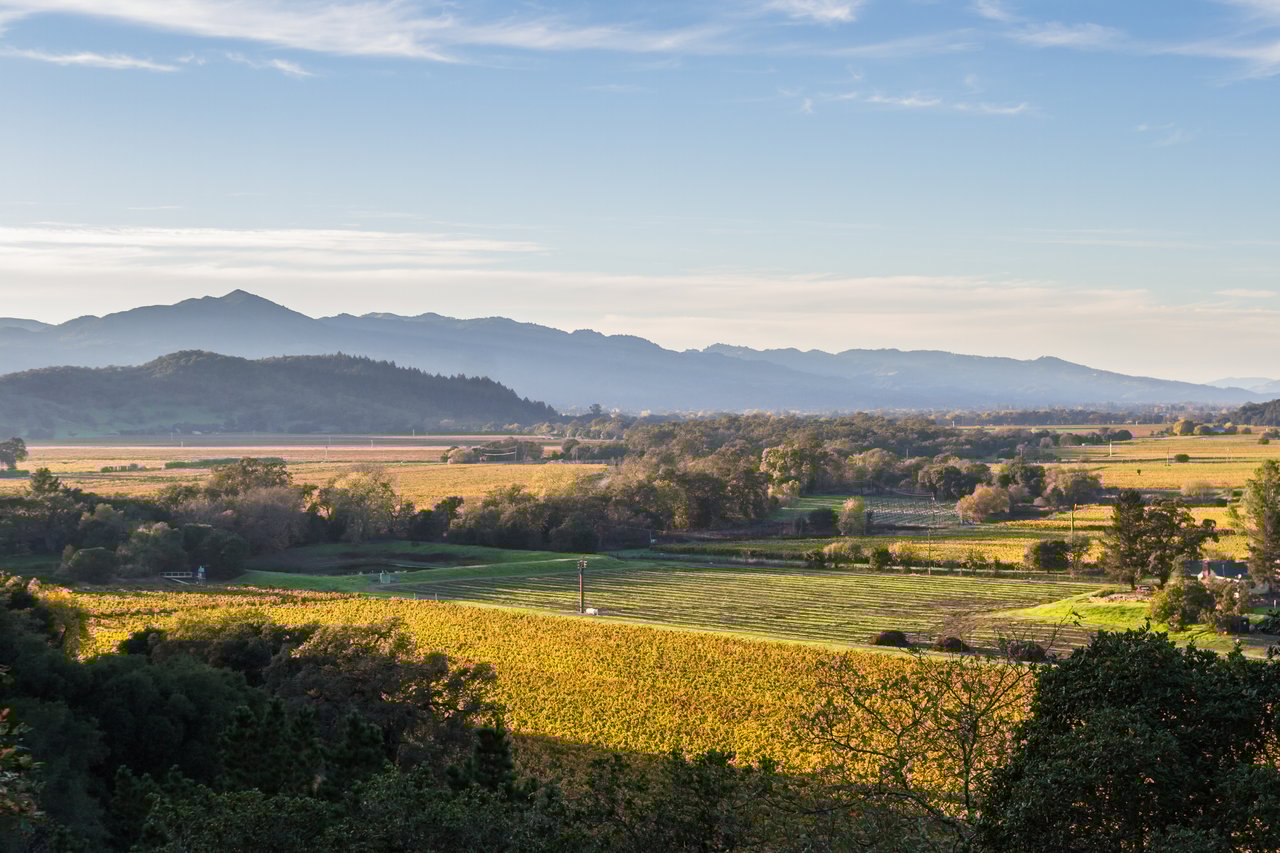
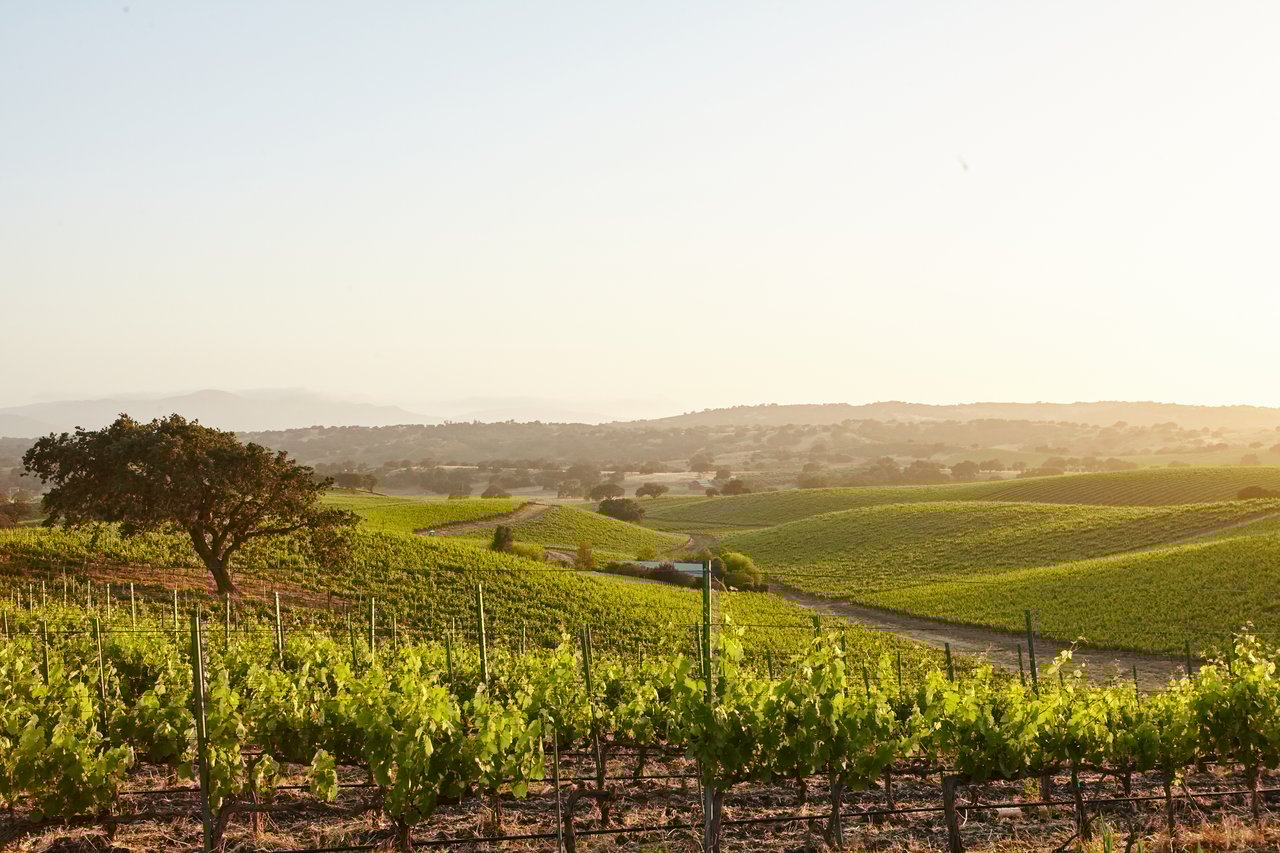
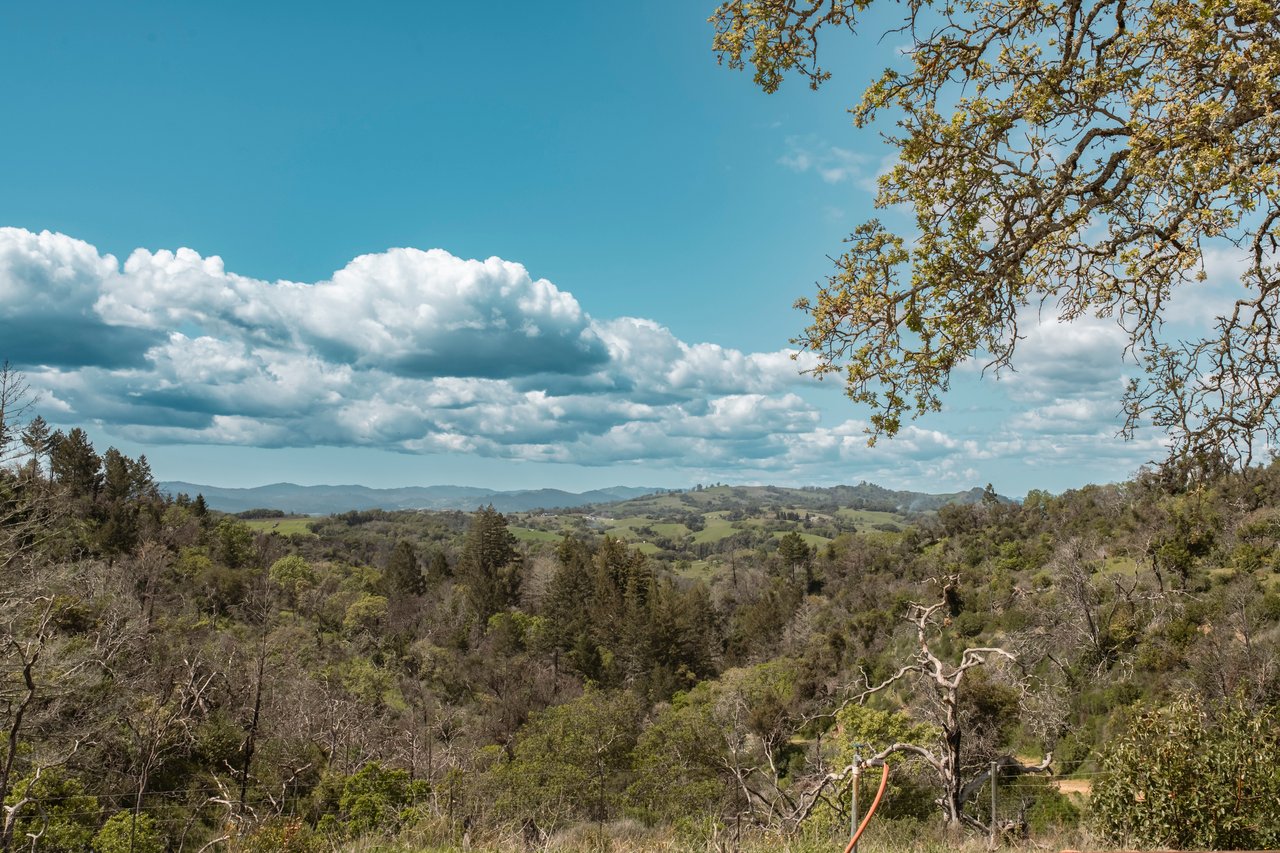
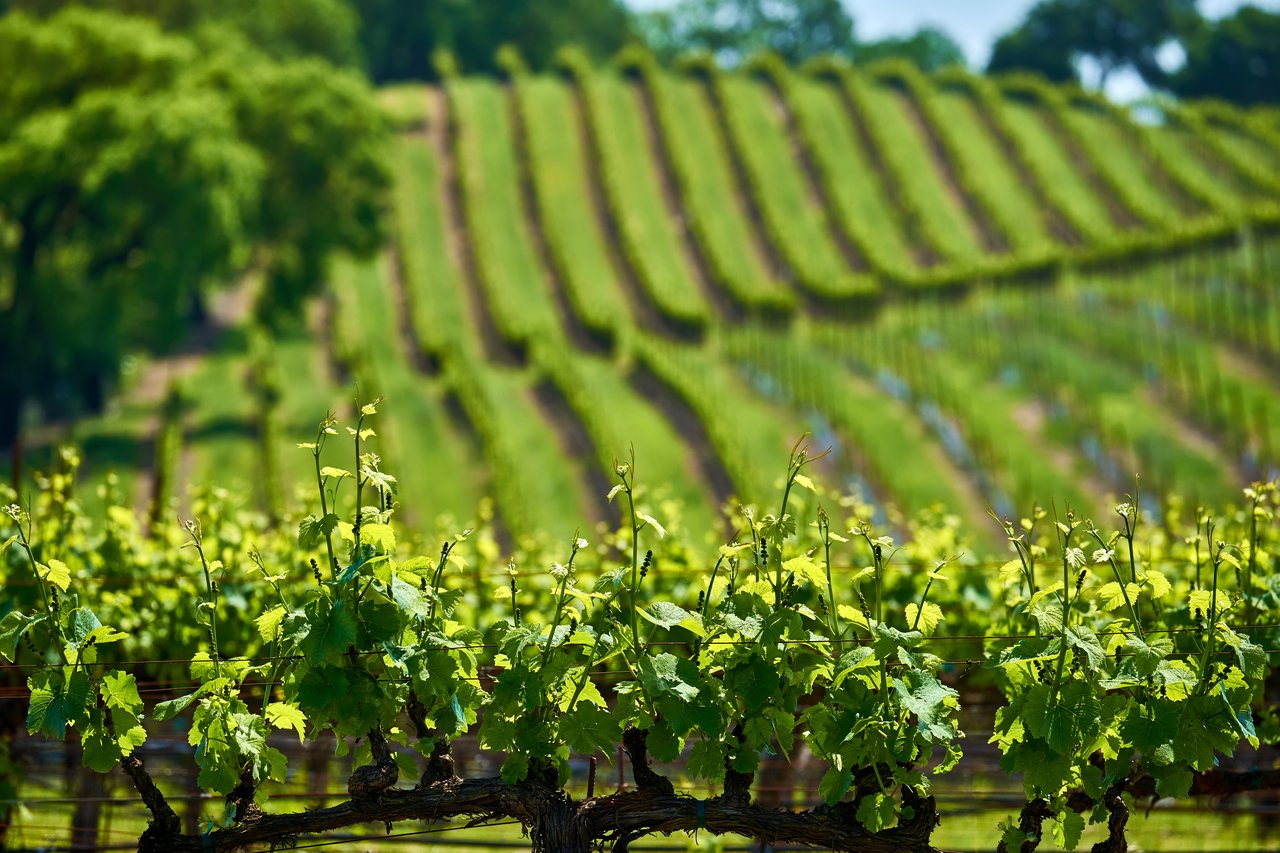
Vineyard settings provide views of vines and rolling terrain, contributing to property aesthetics and outdoor spaces. Residents gain access to nearby wineries, tasting rooms, and recreational opportunities in Sonoma's varied landscape.
Certain properties support grape cultivation, with potential varying by acreage, location, and infrastructure. Many align with regional sustainable practices.
Community and Heritage Connection
Ownership in established appellations links residents to Sonoma's longstanding winemaking tradition. Local resources assist with vineyard-related activities.
Regular care supports vine health, site preservation, and overall property condition. Winter tasks during dormancy play a key role in these efforts.
Understanding the Dormant Season and Vineyard Maintenance in Sonoma Valley
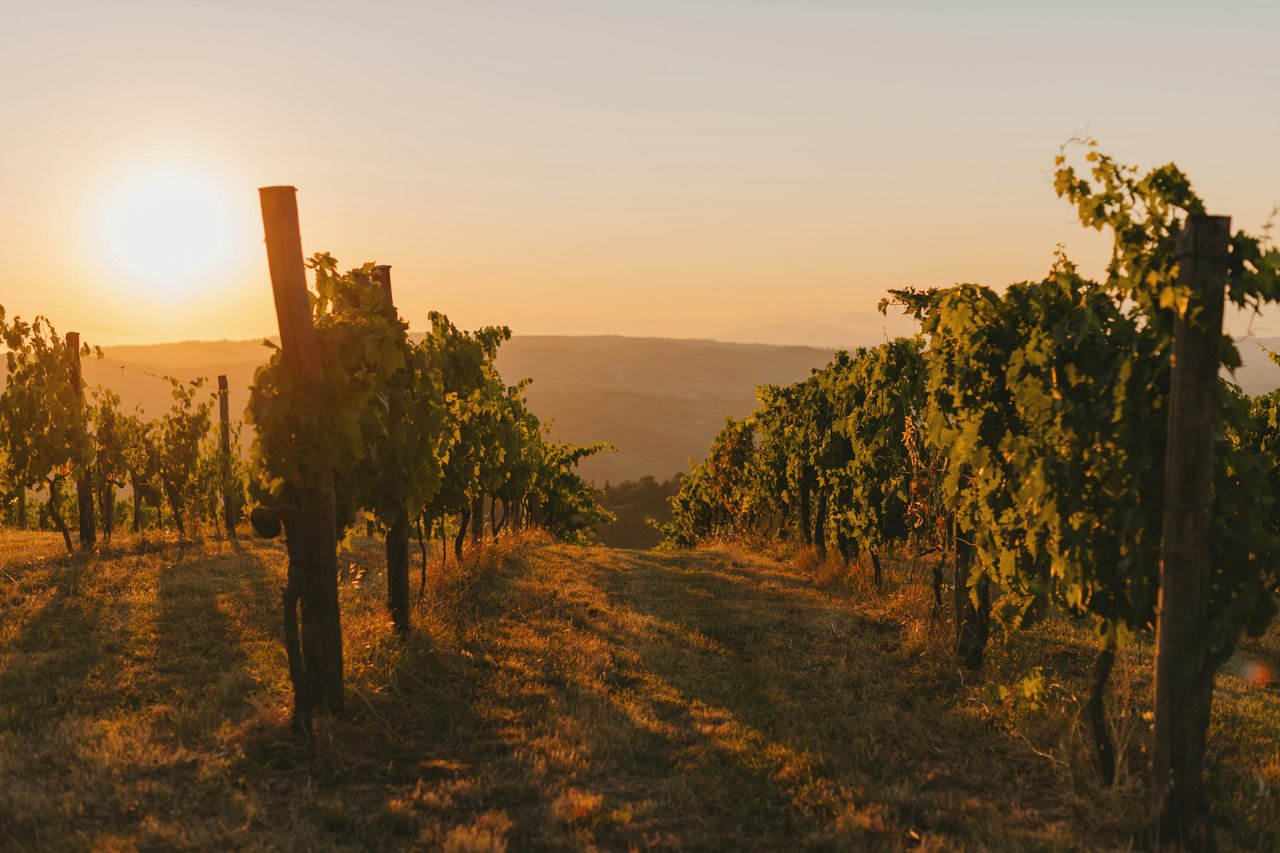
Grapevines enter dormancy following harvest, storing energy in roots and trunks. Sonoma's climate facilitates this recovery phase.
- Pruning helps establish vine structure, manage growth, and promote airflow. It typically occurs during full dormancy. Practical guidelines appear on the Sonoma County Winegrowers vineyard practices page.
- Cover crops contribute to soil improvement, erosion reduction, and weed management. Winter growth requires monitoring and mowing as needed.
- Frost Protection Preparations
Site management, including vegetation height, aids in temperature regulation. Systems like wind machines or sprinklers may be reviewed.
Frost-related resources are provided via Sonoma County Winegrowers frost protection information.
Erosion Control Measures
On sloped properties, practices such as contour planting
Long-Term Property Stewardship
Consistent maintenance contributes to vineyard productivity and enhances property appeal over time.
Sonoma County's vineyard properties present varied opportunities, with benefits linked to location, features, and care practices. Market availability spans multiple price points and configurations.
Prospective buyers can explore current listings and work with professionals knowledgeable in wine country and agricultural properties. Visit Marquis Farwell Homes for information on Sonoma County real estate.
Conditions in the real estate market evolve, and individuals are encouraged to consult the most recent data and qualified sources for property-specific details.
READ MORE about vineyards in Sonoma.