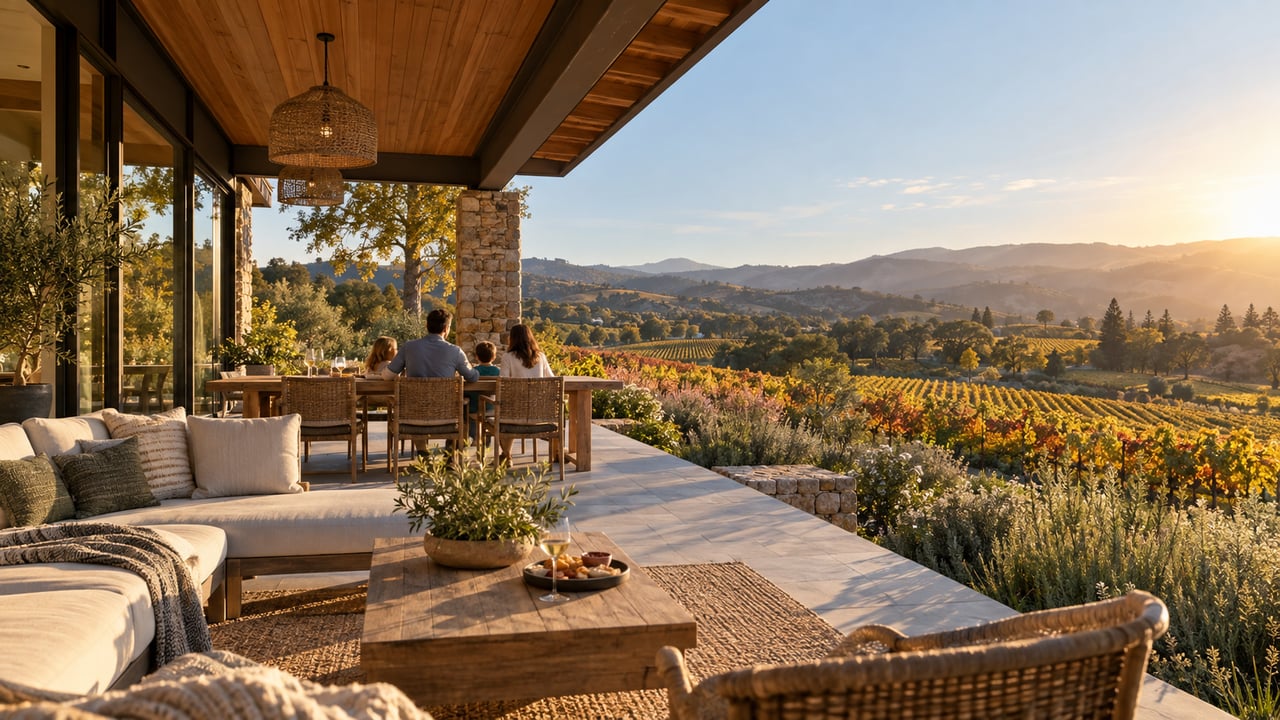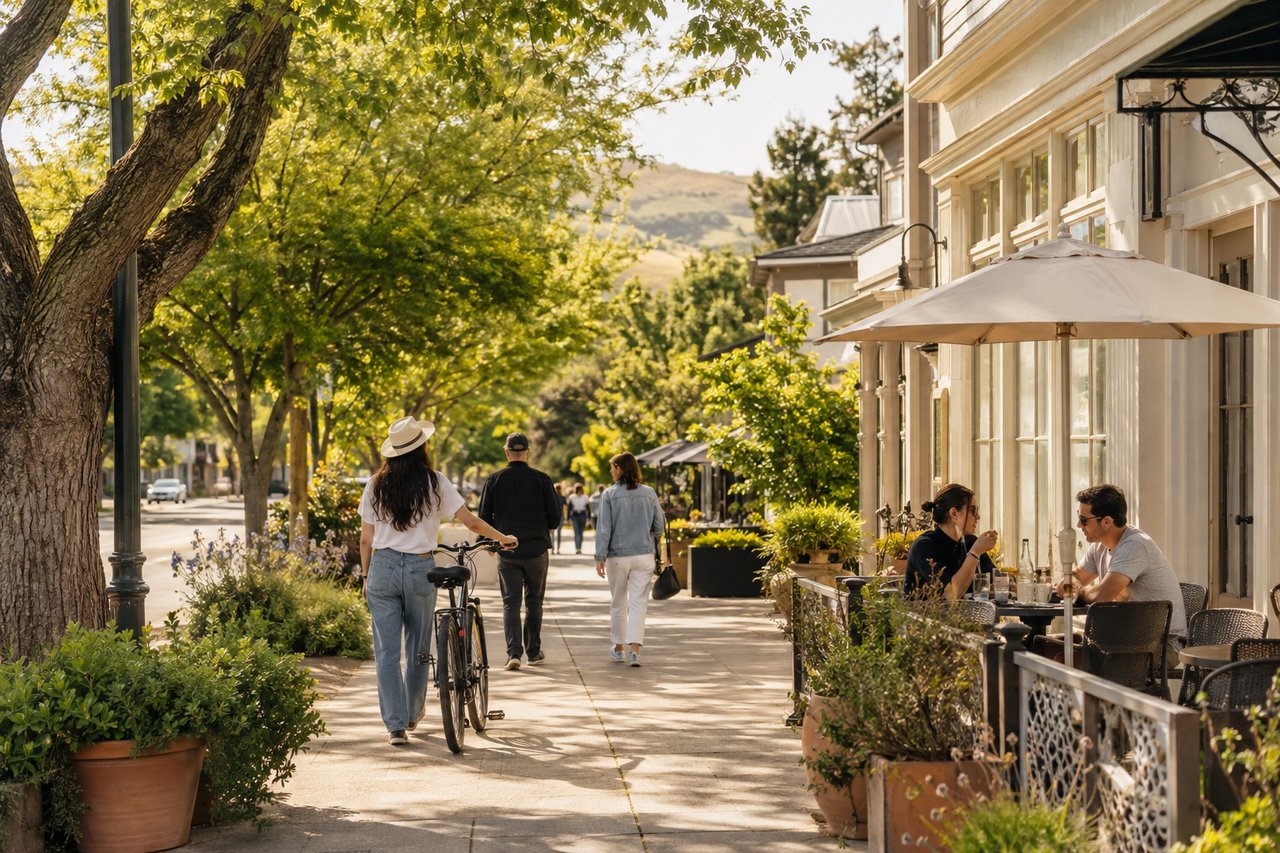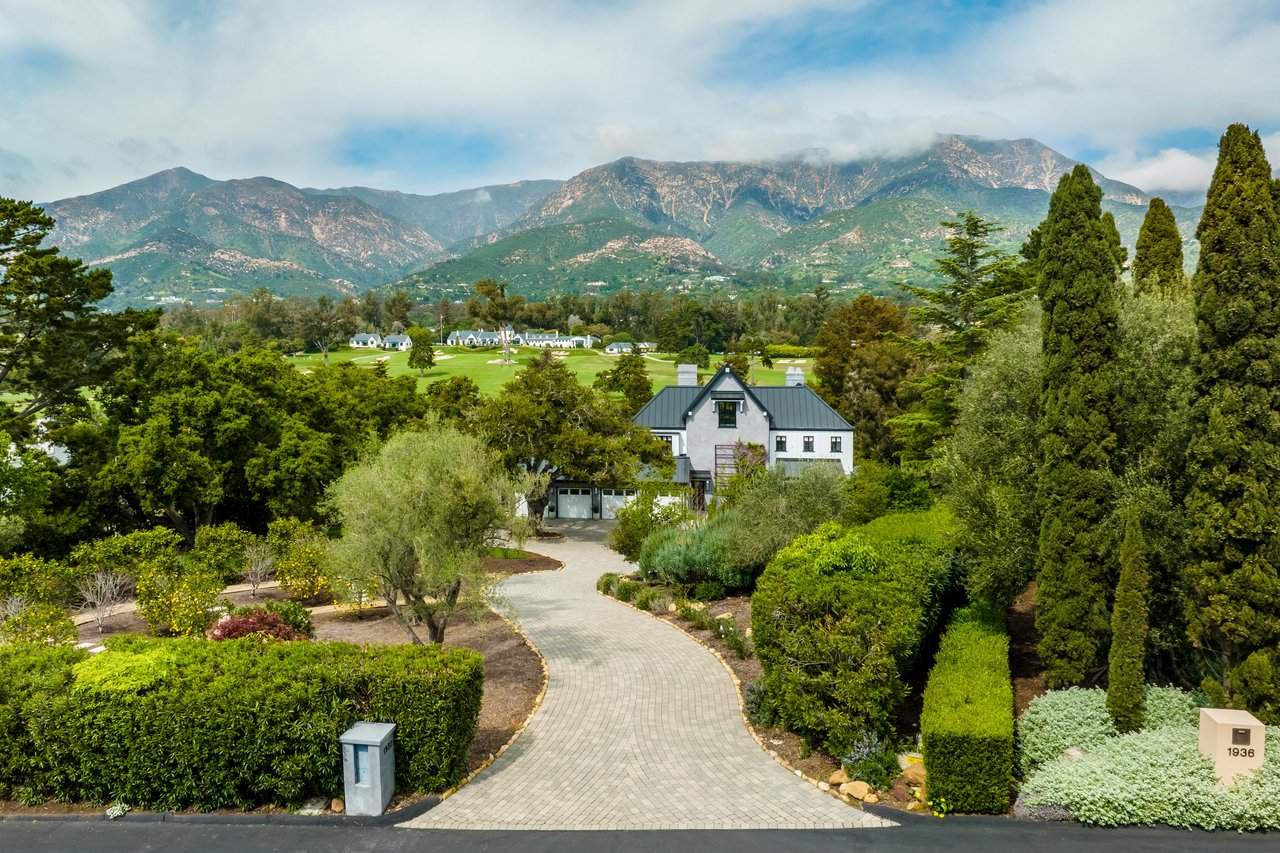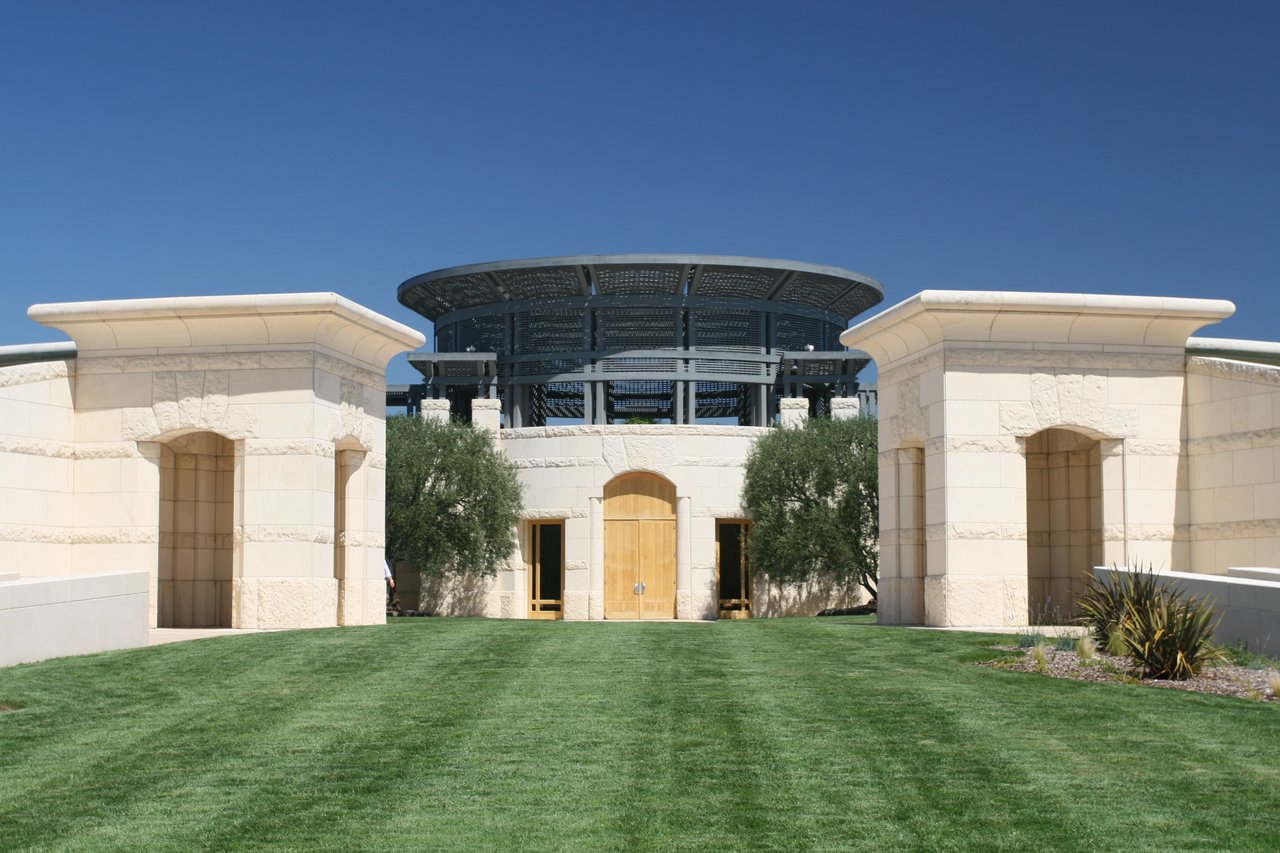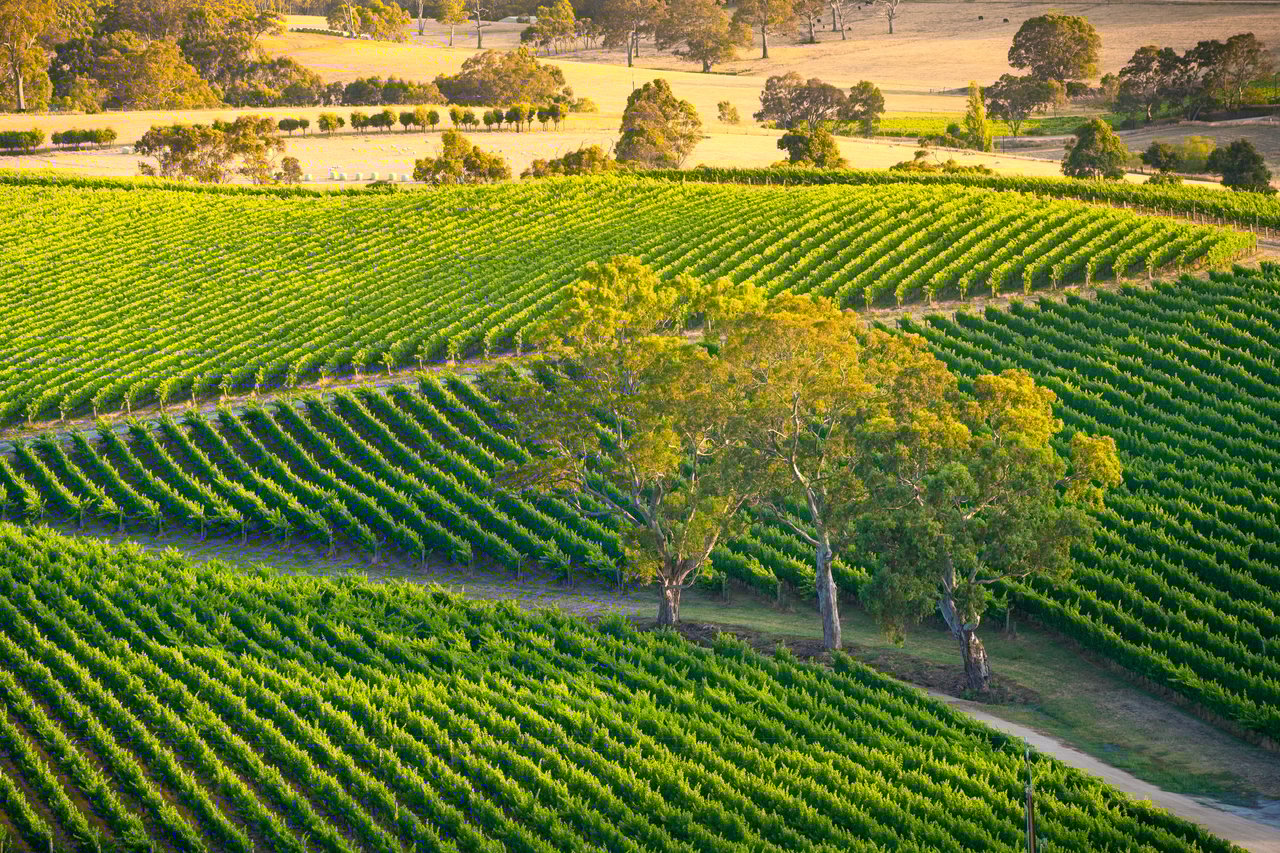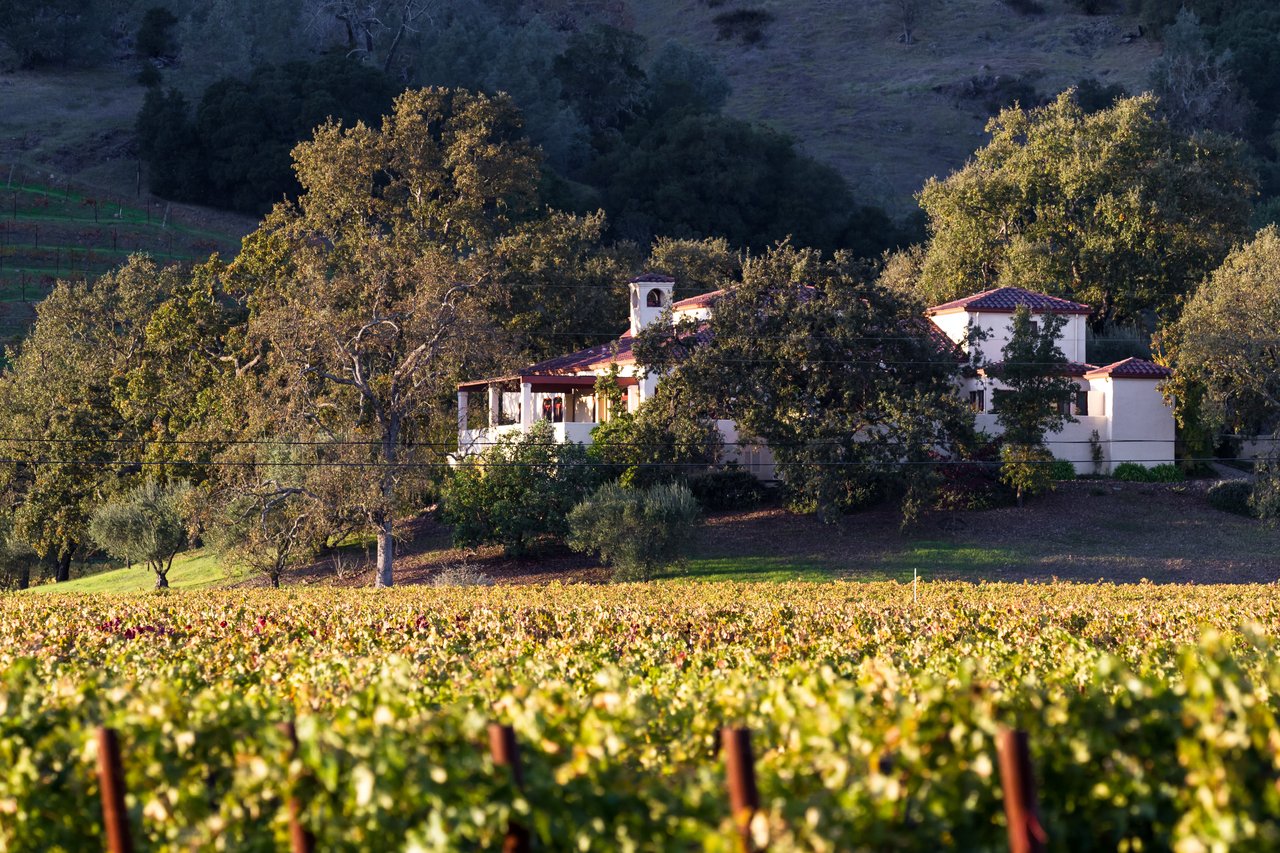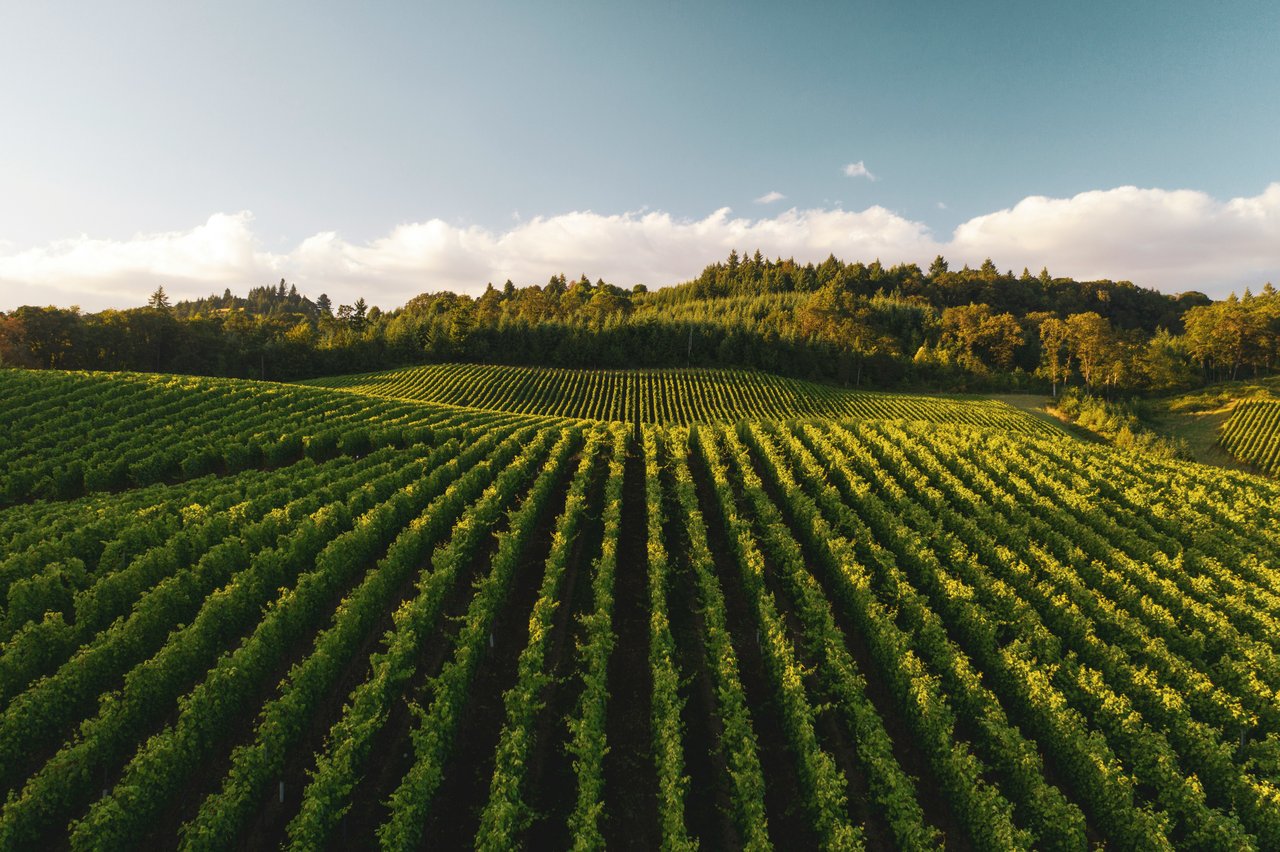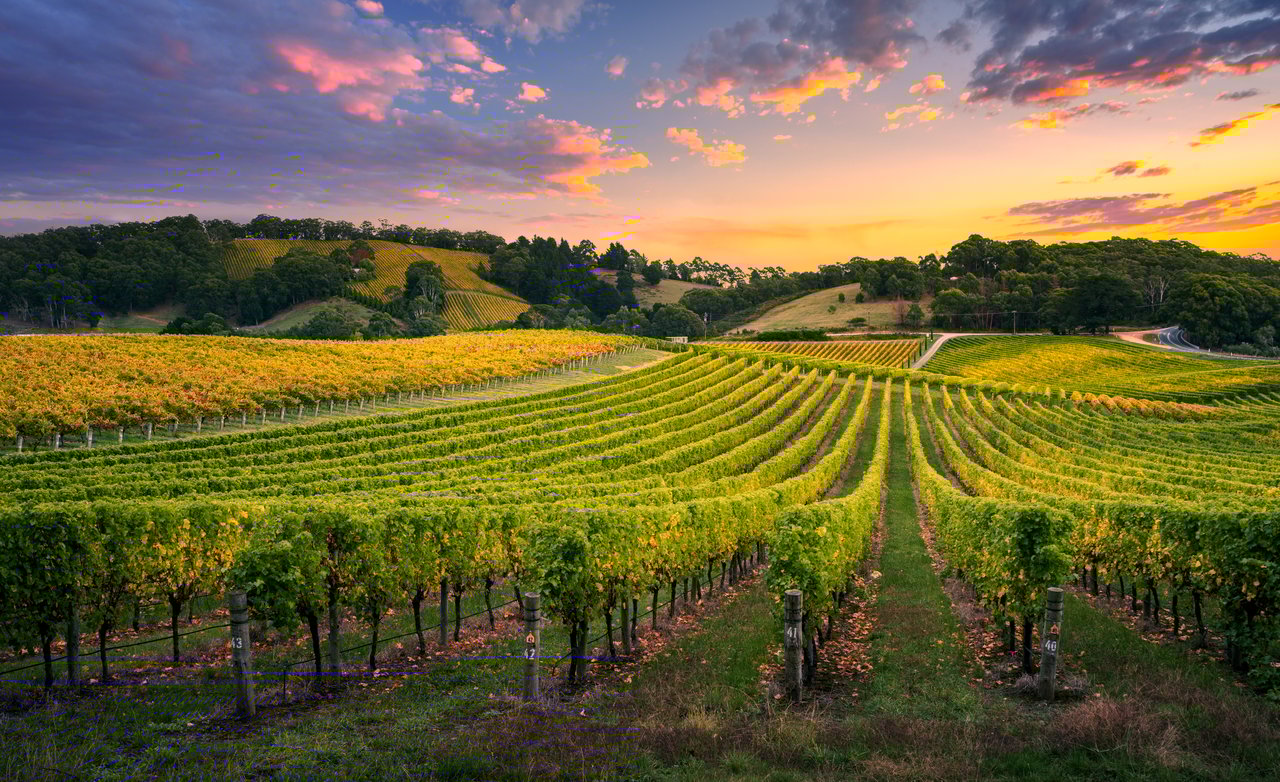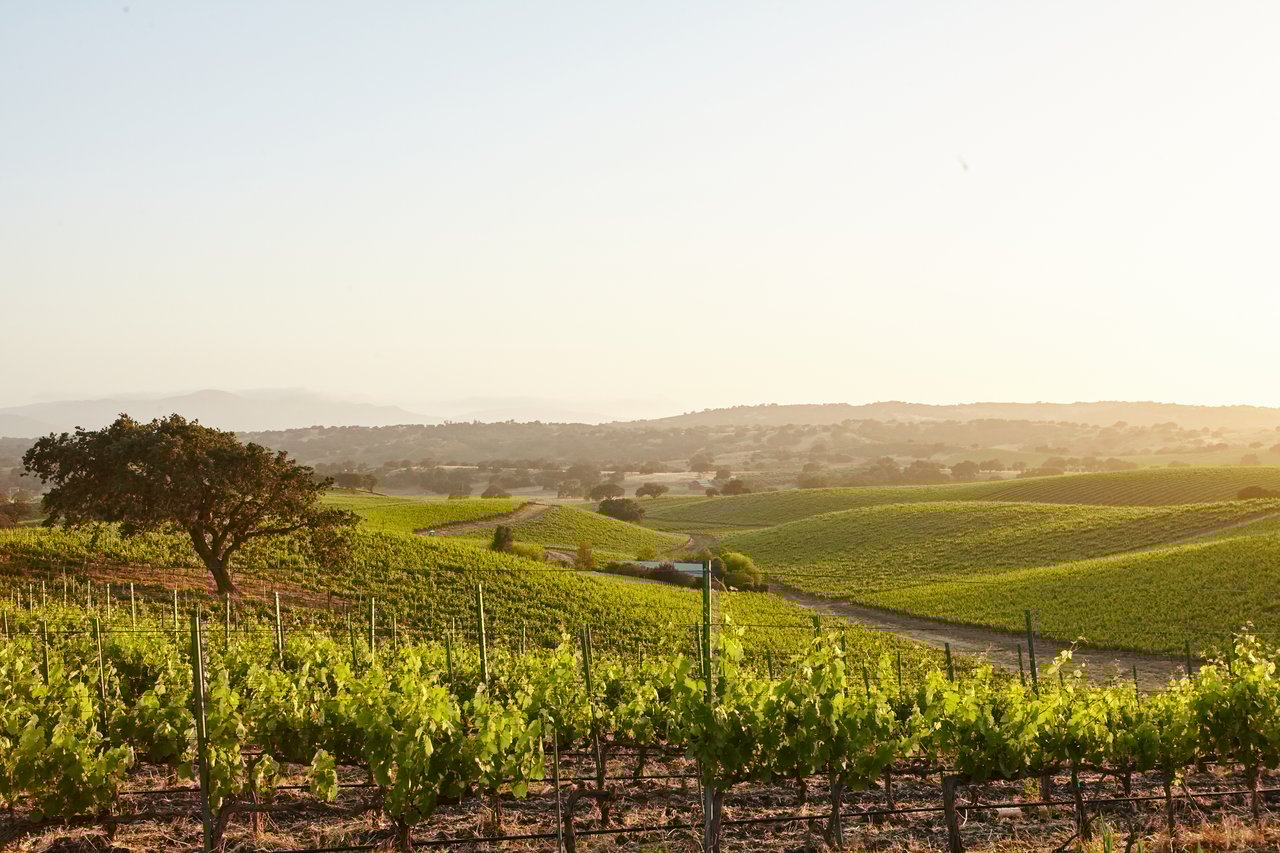
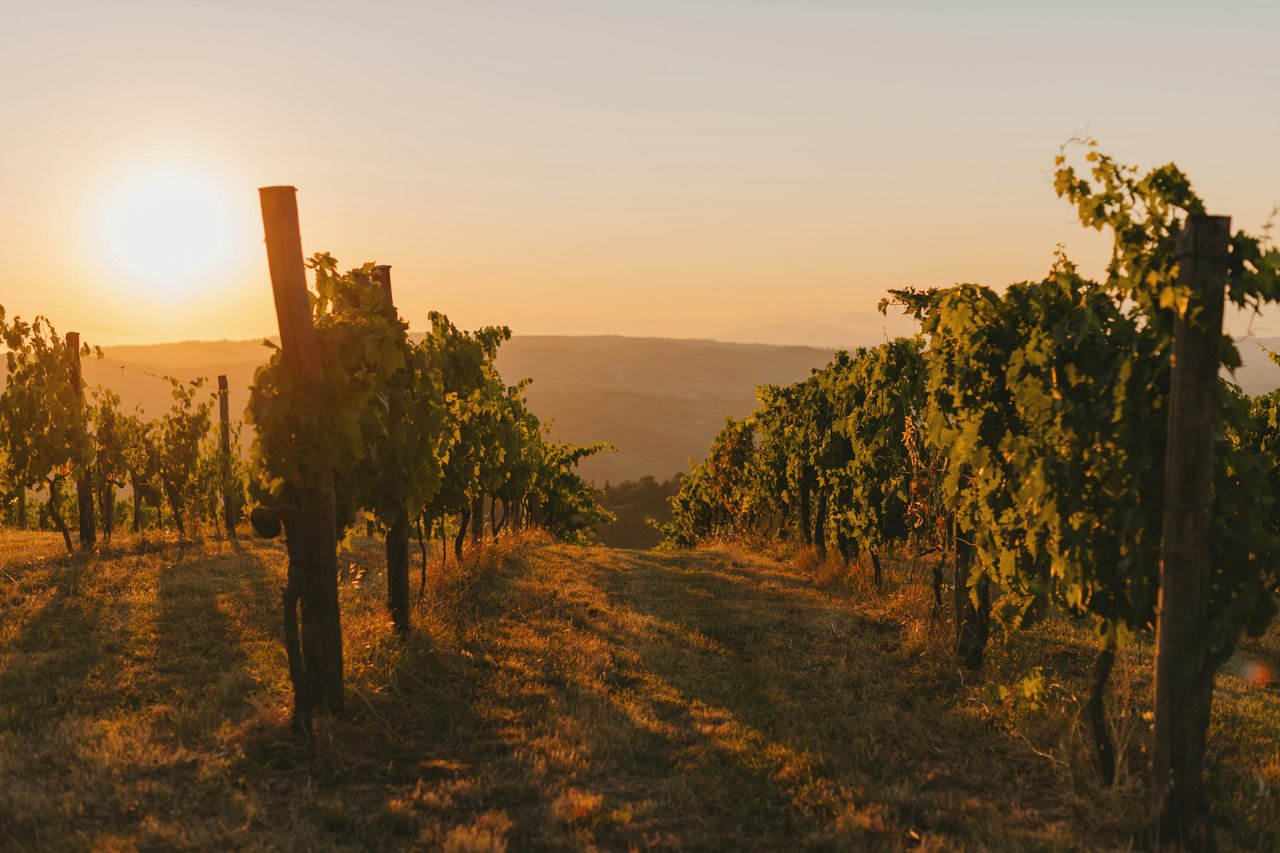
Owning a vineyard in Sonoma County is a lifelong dream for many, combining investment potential with unbeatable lifestyle opportunities. The appeal of walking your own vineyard rows at sunset, knowing the land is working for you, draws buyers from across the country. However, beneath the obvious appeal of owning a vineyard are complexities that add challenges to the purchase, especially for first-time buyers. Success depends on understanding legal and operational demands, carefully evaluating land and vines, and ensuring winery infrastructure supports your plans.
Before embarking on this journey, it is crucial to clarify your goals. Are you seeking a pure hobby setup with just a few acres of vines, a family estate with space for expansion, or an income-producing parcel with leased vineyards? Defining your program early helps focus your search on properties that align with your vision. Whether you plan to farm and sell grapes, establish an estate winery with direct-to-consumer sales, or take a hybrid approach, Sonoma County offers diverse opportunities for manageable boutique wine country estates.
Why Sonoma County Stands Out
Sonoma County remains one of California's premier wine regions, boasting diverse microclimates, renowned American Viticultural Areas (AVAs), and proximity to San Francisco. Unlike larger operations that demand full-time management, small vineyards here—typically under 20 to 30 planted acres—allow owners to engage at their preferred level while benefiting from the county's established reputation for premium grapes. The region's terroir is exceptionally diverse, encompassing more soil types than France, from ancient seabed sediments to volcanic ash.
Exploring the Premier AVAs
Sonoma County's small vineyard properties cluster in several celebrated AVAs, each offering unique growing conditions and lifestyle advantages. Understanding these distinct regions is essential for finding the right property.
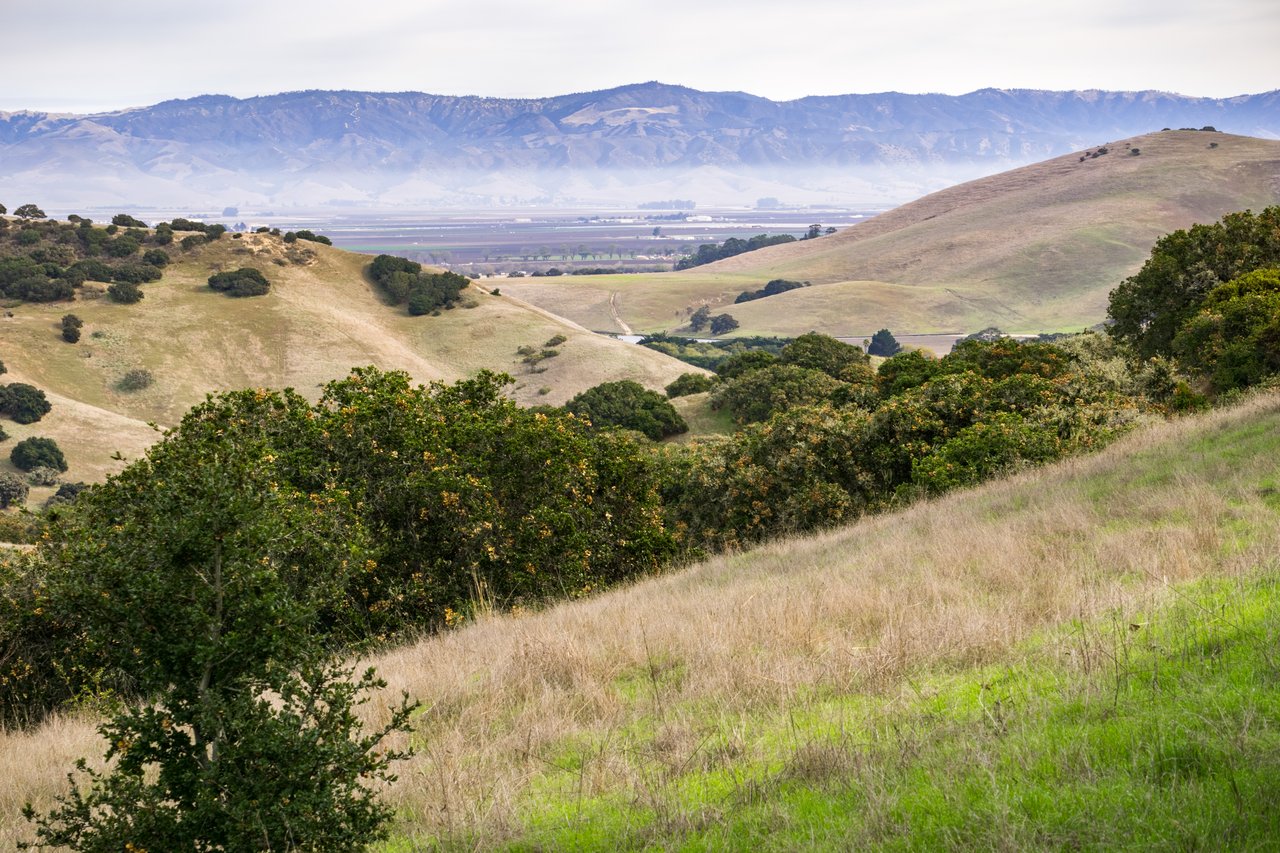
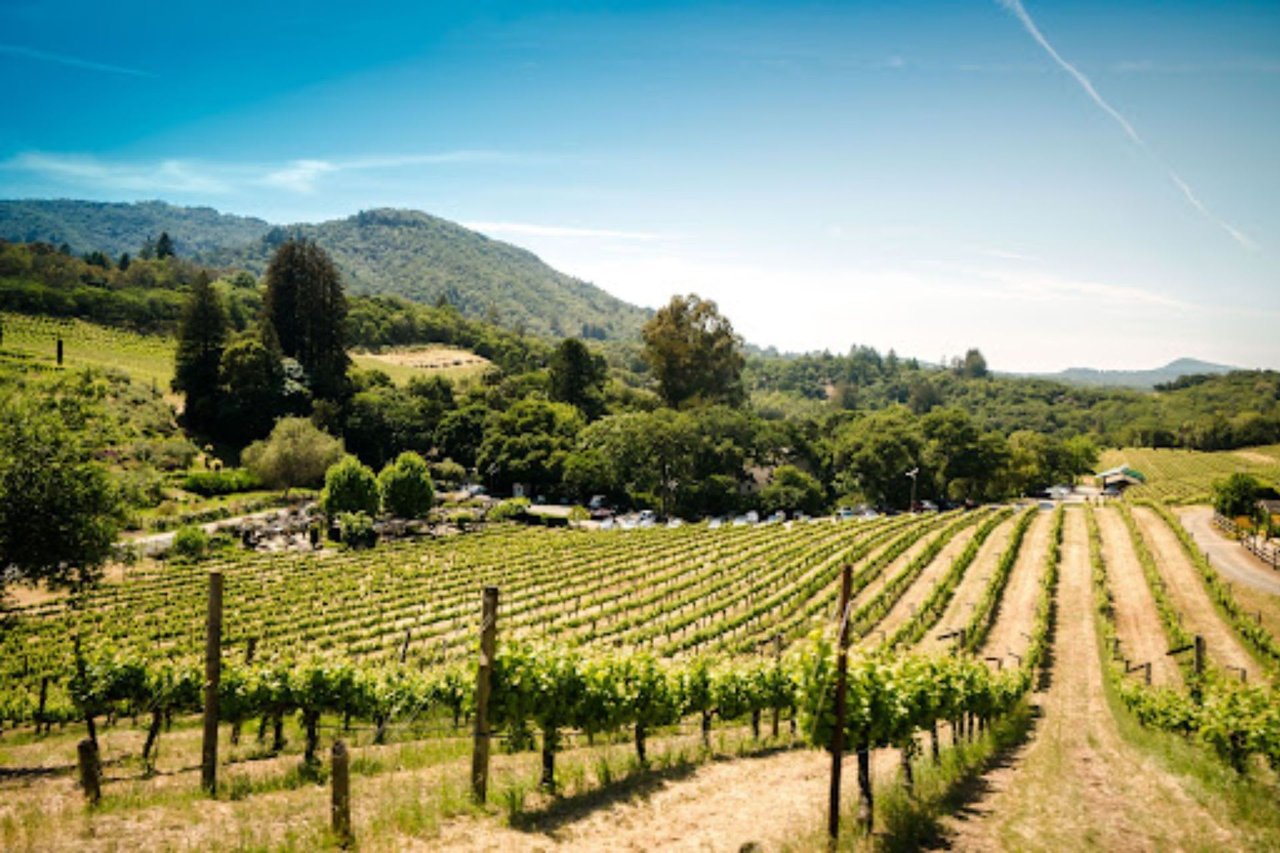
Russian River Valley delivers cool-climate appeal with morning fog and marine influence ideal for Pinot Noir and Chardonnay. The predominant soil type is Goldridge soil, a fine, sandy loam derived from the erosion of ancient seabed sediments. Small vineyards here often feature established plantings on gentle slopes, perfect for hobby winemaking or leasing to local producers. Properties frequently include charming homes and proximity to Sebastopol and Forestville for convenient access.
Dry Creek Valley, located just northwest of Healdsburg, shines for Zinfandel and Cabernet Sauvignon. This narrow, 16-mile-long AVA experiences warm days, cool nights, and a long growing season. The valley floor features deep alluvial and gravelly loams, while benches and lower slopes offer gravelly clay loams. This sun-drenched AVA hosts many boutique opportunities with 10 to 25 planted acres, historic charm, and easy access to downtown Healdsburg's restaurants and tasting rooms.
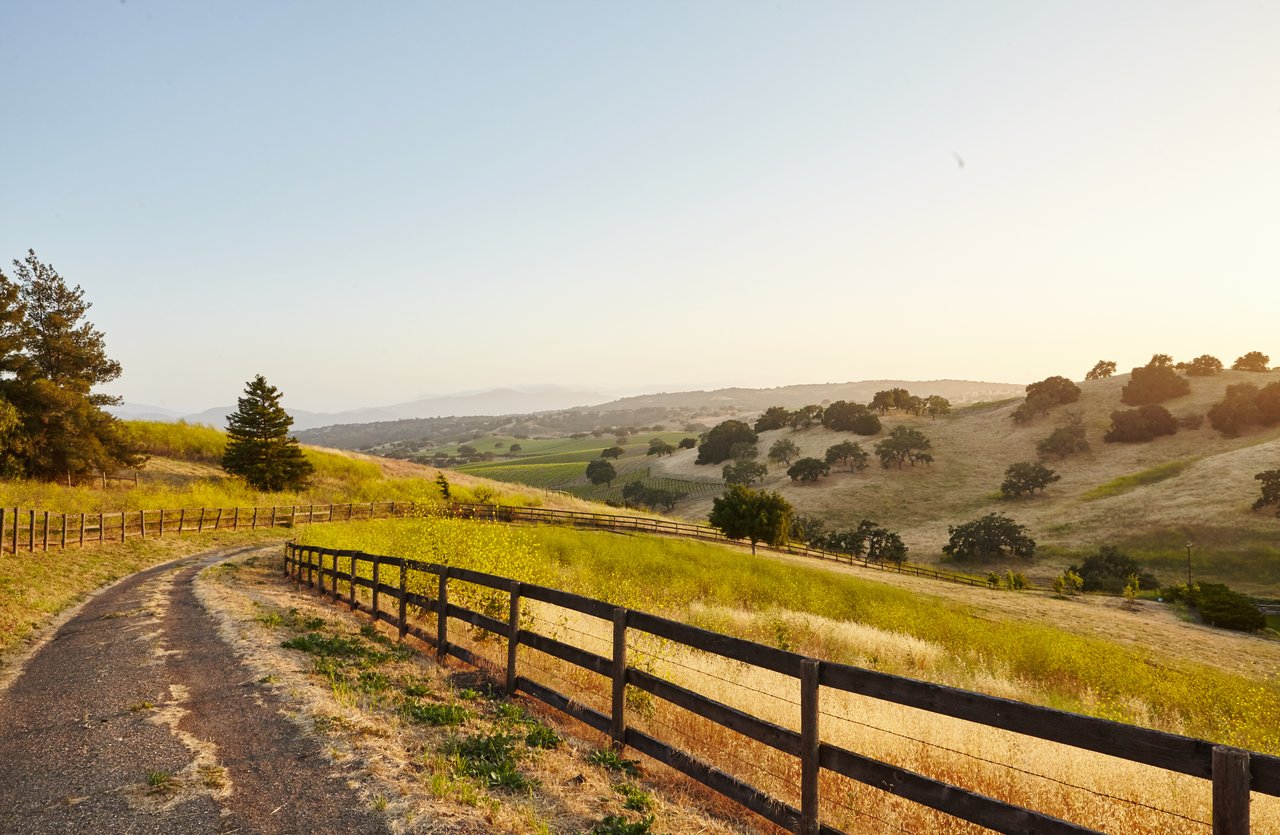
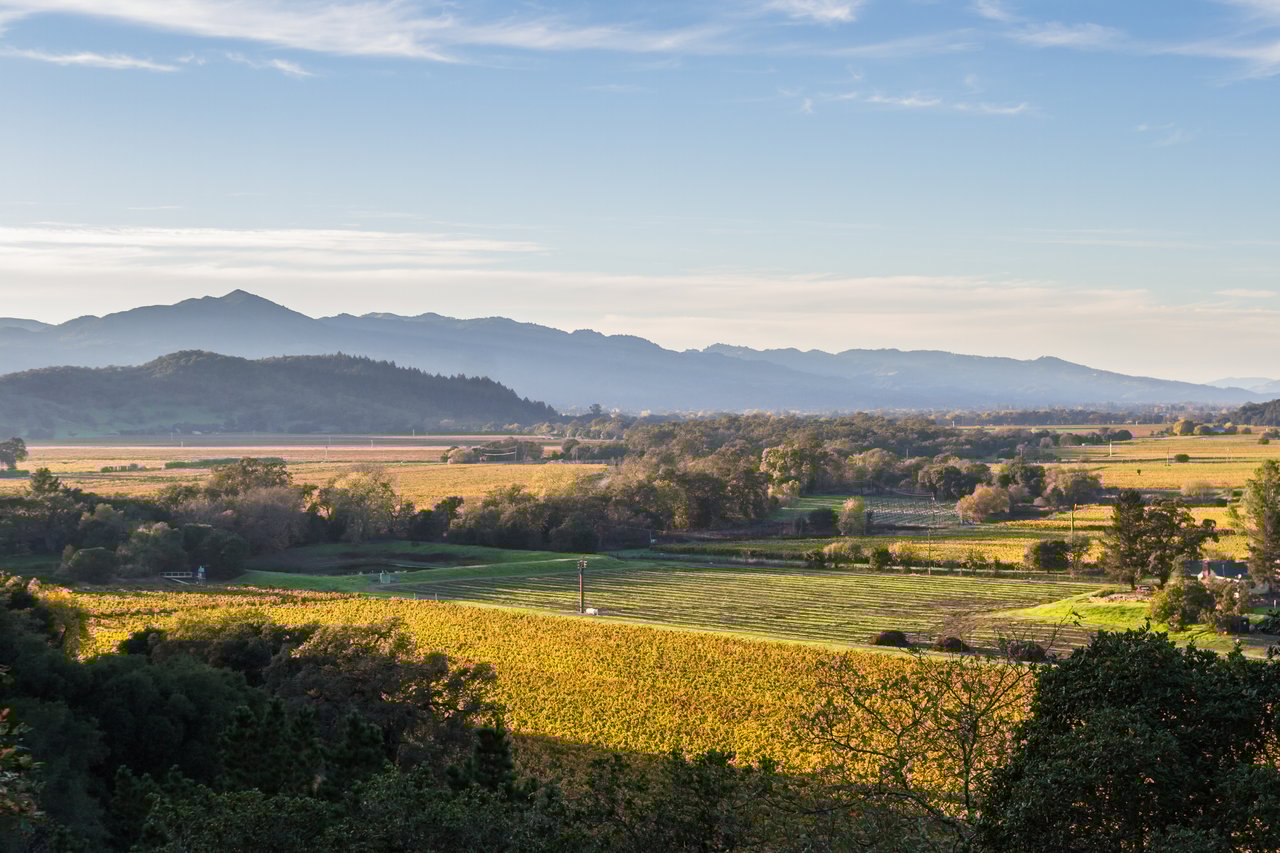
Alexander Valley offers warmer days and excellent drainage for robust reds, particularly Cabernet Sauvignon. Small vineyard estates in this area frequently combine vineyard acreage with spacious homes and expansive views, appealing to buyers seeking privacy and long-term investment potential. When you're ready to explore what's available, the Marquis Farwell Group specializes in vineyard properties across these premier regions.
The Crucial Role of Water and Infrastructure
One of the most critical aspects of purchasing a vineyard is evaluating the land and its resources. Aside from the lovely buildings and breathtaking views, the property's true value lies in its land, including the climate, geography, and water availability.
Navigating Water Rights and Regulations
Water infrastructure is critical in Sonoma County, where 40,000 properties run on private wells. The county has tightened the uncontrolled use of water resources, requiring new wells for agricultural or commercial use to be metered with a monthly reporting requirement. A mature vineyard typically requires around one to three acre-feet of water per acre annually. If you have a few acres of vineyard, you will want a well producing at least 20 gallons per minute.
When evaluating a property, practical due diligence for water includes reviewing well logs and pump tests, historical groundwater levels, irrigation water quality, and any water-sharing agreements. If the site relies on recycled water, confirm pipeline access or trucked delivery potential. Groundwater is managed by basin, so it is important to verify if a Groundwater Sustainability Agency covers your parcel and understand any registration or pumping fees that apply. For detailed guidance on water management in Dry Creek Valley specifically, consult resources from the Winegrowers of Dry Creek Valley, which provide comprehensive information on regional water sustainability.
Assessing Vineyard Infrastructure
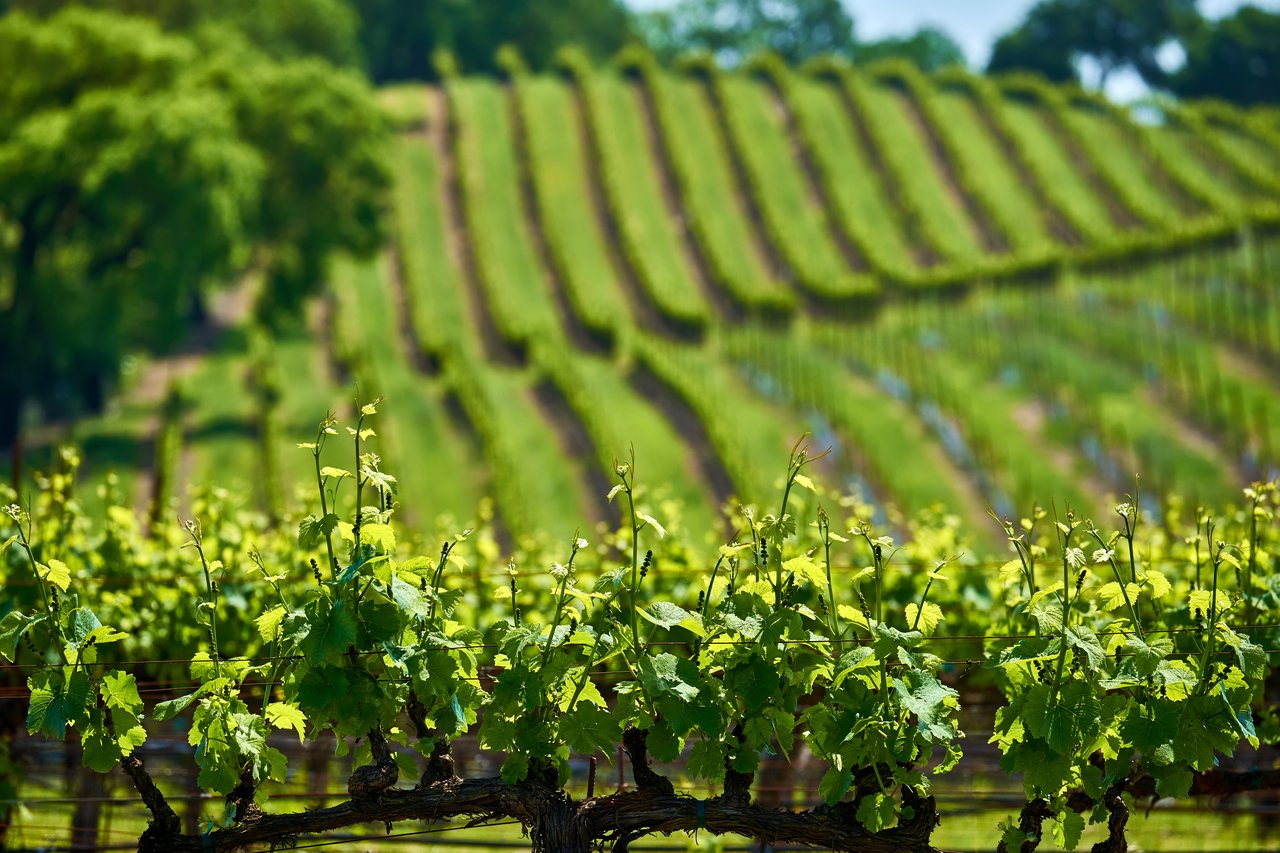
What is already planted in the land is an important consideration. The age of the vines, disease history, planting density, and schedule for renewal or replanting all have to be assessed. Younger vines may take longer to reach full production, which can impact your profitability timeline. Older vines may be able to produce incredible grapes, but they require more careful maintenance to ensure their continued health.
If you plan to replant or develop, account for site preparation, erosion control on slopes, drip irrigation and filtration, trellis and vine materials, deer fencing, and access roads. The process of preparing a vineyard for planting will require you to rip out the old vines, grade the site, put in new trellis and wires, install the irrigation system, and finally plant the vines. You can expect to pay between $30,000 and $50,000 to put in the necessary infrastructure.
Understanding Zoning and Permits
Navigating local regulations is a necessary step in vineyard ownership. Sonoma County has specific zoning laws and permit requirements that dictate what you can and cannot do on your property.
The Williamson Act
Williamson Act contracts can reduce property taxes for agricultural land, but they carry specific rules. In Sonoma County, Type I contracts for prime permanent-crop land generally require a minimum of 10 acres and specific planting thresholds. Type II contracts for non-prime land generally require at least 40 acres. Contracts renew on a rolling 10-year basis unless a Notice of Non-Renewal is recorded. Always verify the contract type and status on the property title.
Winery Use Permits
Sonoma County requires a discretionary Use Permit for winery operations, tasting rooms, and events. The process typically includes studies for water availability, traffic, noise, biological and cultural resources, and wastewater. Timelines can range from months to years depending on environmental review. Permit conditions often cap annual case production, daily visitors and events, hours of operation, employee counts, parking, and wastewater capacity.
If you contemplate production, tasting, or events, plan for engineered wastewater solutions that meet North Coast Water Board programs. Early engagement with consultants and local authorities reduces risk and surprises. For current information on permit requirements, Permit Sonoma provides detailed guidelines on winery use permits and the application process.
Financial Considerations and Cap Rates
Understanding the financial realities of vineyard ownership is essential for a successful investment. Cap rate is a quick yield snapshot, calculated by dividing Net Operating Income by the purchase price. For vineyards, that Net Operating Income should reflect recurring income minus recurring operating expenses.
Operating Expenses and Capital Reserves
Many vineyard expenses recur each year and belong in the Net Operating Income calculation. These include property tax, water and irrigation costs, labor, spray programs, management fees, harvest and custom crush expenses, insurance, maintenance, and administrative overhead.
Other expenses are capital items that require a reserve outside the Net Operating Income. Vineyards need periodic replanting or reworking of rootstocks, and the timing and cost are material. Infrastructure such as trellis replacement, irrigation lines, pumps, reservoirs, and long-term site work like erosion control must also be factored into long-term financial planning.
Remember that a single season can be misleading because vineyard earnings vary with vintage conditions. Use cap rate as a starting point, then layer in multi-year scenarios and reserves to get a true picture of the investment's potential. The UC Cooperative Extension provides valuable resources on viticulture costs and management, offering research-backed guidance for vineyard operations.
Essential Due Diligence for Buyers
A focused, front-loaded review will protect your downside and speed closing. Never assume that an aesthetically attractive vineyard indicates its potential. Third-party experts, like agronomists and viticulture consultants, are extremely important when buying a vineyard. They have the expertise needed to gather and interpret information about climate patterns, soil composition, vine health, and more.
Your due diligence game plan should include confirming title and entitlements, gathering well logs and pump tests, commissioning a viticultural soil analysis, checking Fire Hazard Severity Zone status, and confirming septic or wastewater sizing. Request grape contract histories, yields, and achieved prices, plus details on vineyard age, clones, rootstocks, and trellis condition.
Taking the Next Step
Purchasing a small vineyard in Sonoma County is an exciting endeavor that requires careful planning and expert guidance. By understanding the regional nuances, water requirements, permitting processes, and financial considerations, you can make an informed decision that aligns with your lifestyle and investment goals.
When you are ready to explore the possibilities, working with local experts ensures thorough due diligence on zoning, permitting, and long-term agricultural viability. To begin your journey and see what's currently available, browse small vineyards for sale in California and discover the manageable boutique wine country estates currently on the market in Sonoma County.
Ready to Find Your Vineyard?
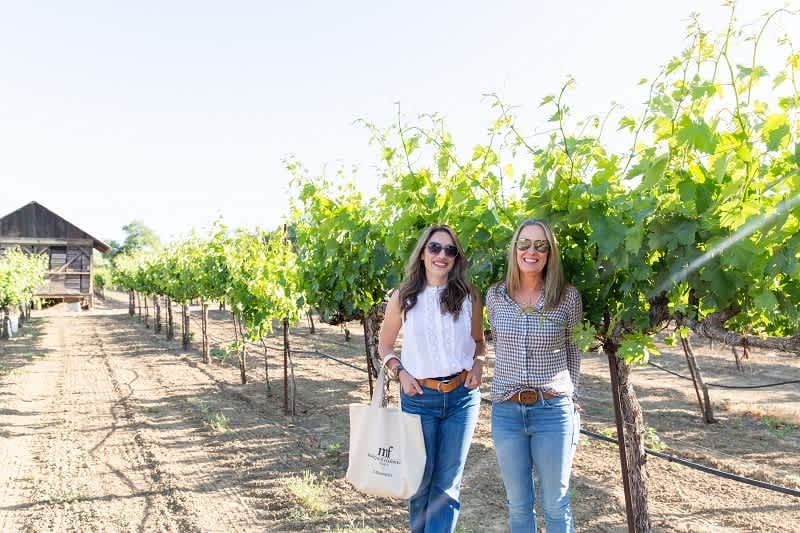
The Marquis Farwell Group brings deep expertise in Sonoma County wine country real estate. Whether you're looking for a hobby vineyard, a producing estate, or an investment property, Linda Farwell and Samantha Marquis have the knowledge and connections to help you find the perfect property. With their focus on residential properties, luxury estates, wineries, and vineyards, they understand the unique considerations that come with vineyard purchases. Reach out to the team today to discuss your vineyard ownership goals and explore available properties that match your vision.
References
[1] Modern Living Sonoma. "The Ultimate Guide To Buying and Setting Up A Vineyard."
[2] Graham Sarasy. "Dry Creek Valley Vineyard Buying Guide for Estates."
[3] SommSelect. "Sonoma County Wine Guide: History, Regions, and Top Wines."
[4] Erik Terreri. "Evaluating Vineyard Investment Cap Rates in 95425."
[5] Home Hunts. "Insider Tips for First-Time Vineyard Buyers."
[6] Marquis Farwell Homes. "Buying a Vineyards in Sonoma CA | Vineyard property for sale."