For luxury homebuyers drawn to Sonoma County's rolling vineyards, coastal hills, and vibrant communities, the presence of a Homeowners Association can be both a significant asset and a complex puzzle.
An HOA can protect property values and provide coveted amenities, but it also introduces a layer of rules, fees, and potential restrictions that demand careful consideration. Understanding the nuances of Sonoma County's diverse HOA landscape is not just helpful. It is essential for making a confident and informed purchase.
This guide explores the common HOA structures in luxury communities, lets dive in.
Common HOA Structures in Sonoma Luxury Communities
In Sonoma County, not all HOAs are created equal. The structure and intensity of an HOA can vary dramatically, directly influencing lifestyle and land use. For luxury buyers, these associations generally fall into a few distinct categories.
Minimalist HOAs
Often found in established, high-end neighborhoods like Santa Rosa's Fountaingrove, these associations operate with a light touch. Their primary function is typically limited to maintaining private roads and common area landscaping. Fees are consequently quite low, sometimes as little as $75 per quarter.
While they provide basic uniformity and infrastructure management, they impose few restrictions on homeowners. This gives you a great deal of autonomy over your property. If you want the freedom to make your home your own without a lot of oversight, this is the model to look for.
Full-Service, Amenity-Rich HOAs
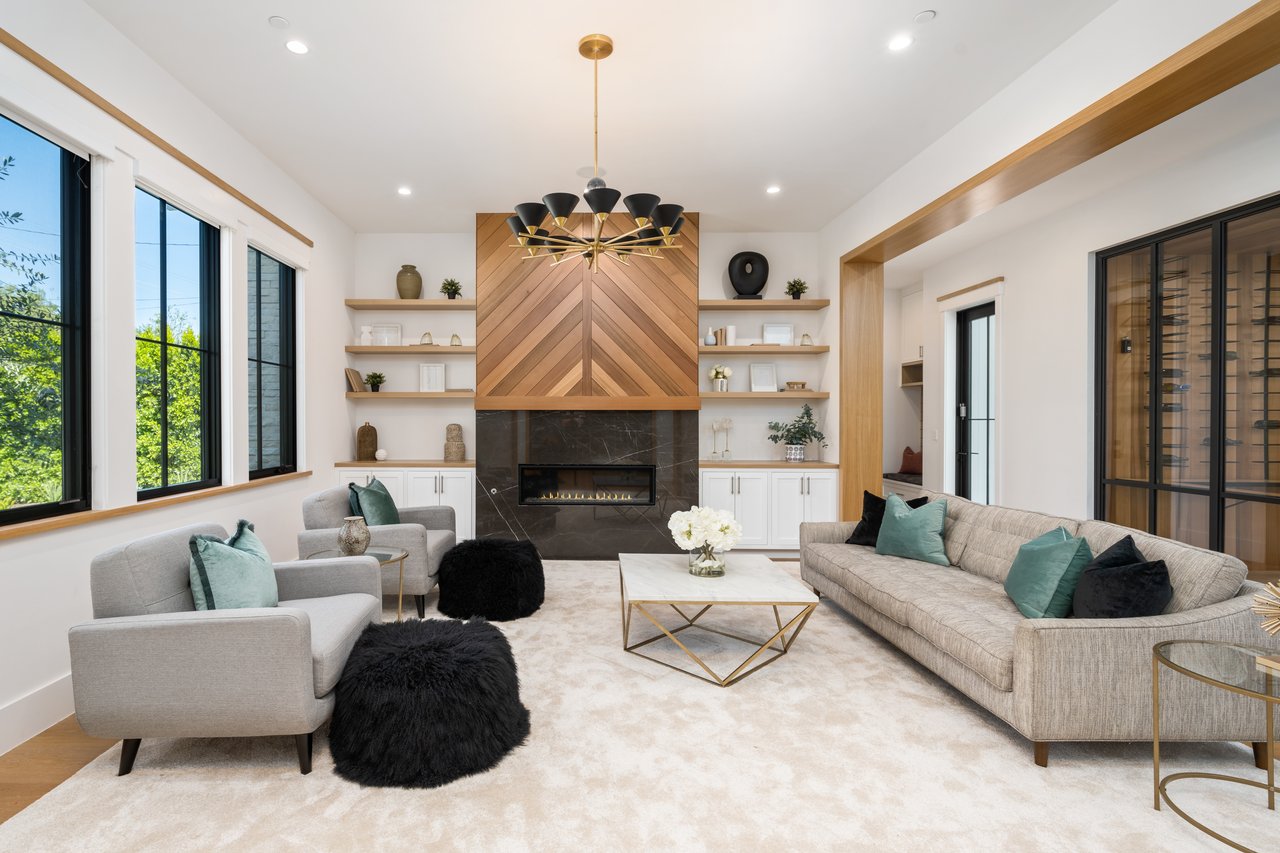
At the other end of the spectrum are the comprehensive HOAs found in newer, resort-style communities such as the Montage Residences in Healdsburg. These associations offer a turnkey, luxury lifestyle with extensive amenities like private clubhouses, pools, fitness centers, and concierge services.
In exchange for higher monthly or quarterly fees, the HOA manages nearly all exterior maintenance, security, and even offers optional rental programs. This structure is ideal for buyers seeking a "lock-and-leave" second home or a primary residence with five-star service built right in.
Design-Intensive HOAs
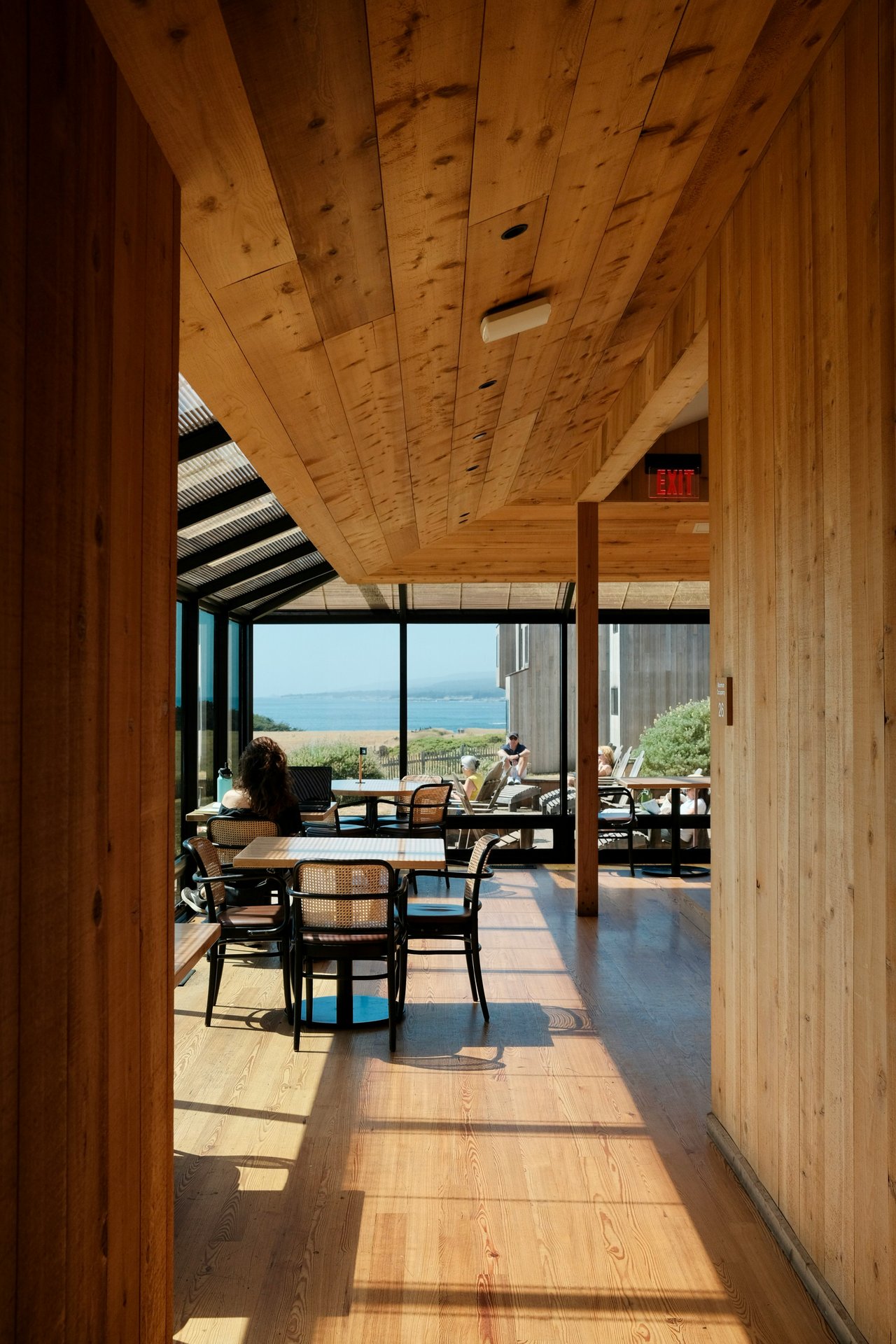
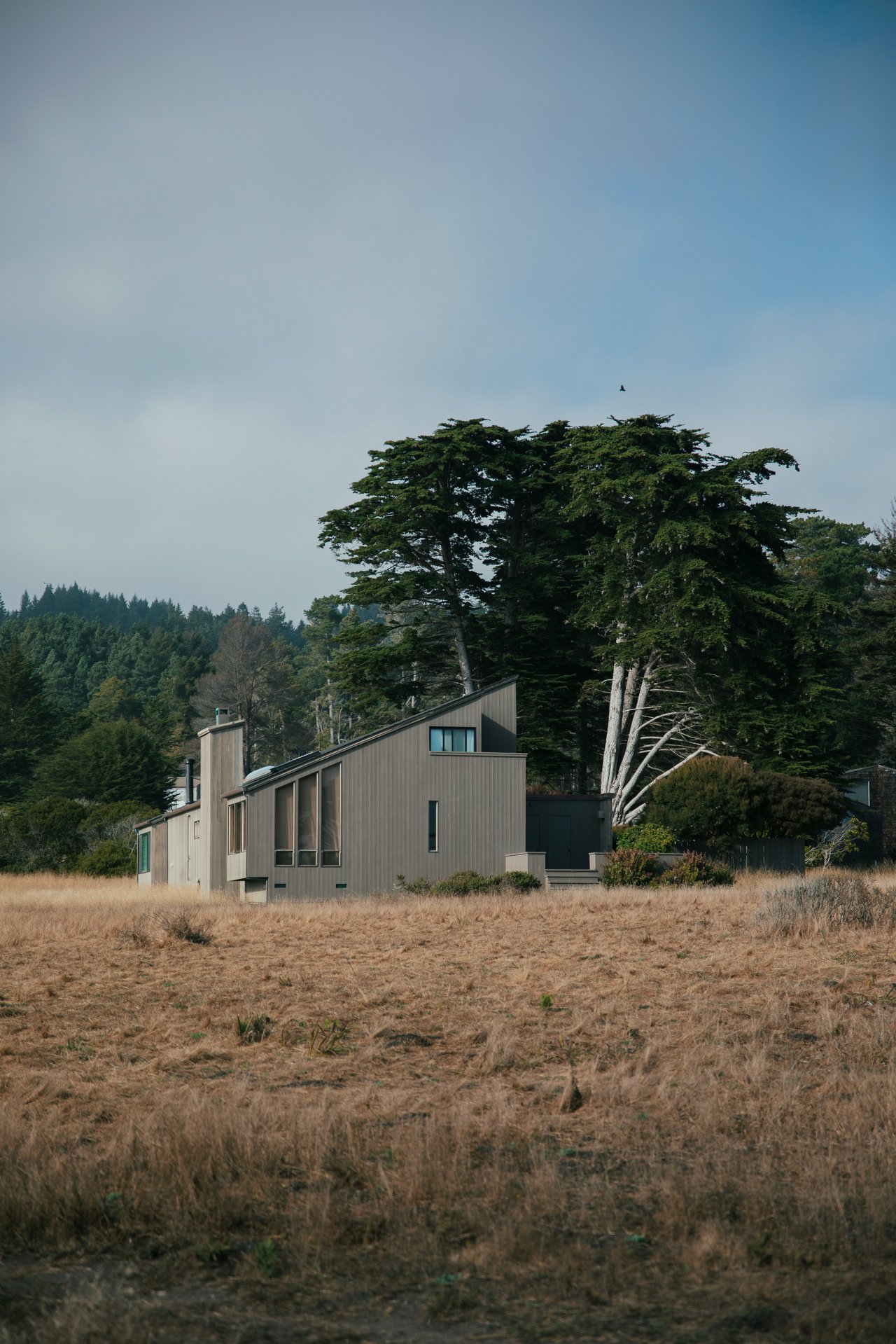
Perhaps the most unique structure is found in communities like The Sea Ranch on the Sonoma Coast. Here, the HOA's core mission is to preserve a specific architectural and environmental ethos. The rules are stringent, governing everything from building materials and color palettes to landscape design and exterior lighting.
Vineyard Estates vs. Planned Developments
The dream of owning a sprawling vineyard estate or a home in a polished, planned community comes with very different governance models. Understanding this distinction is critical for luxury buyers in Sonoma County.
Vineyard and Agricultural Properties
Many of Sonoma's most coveted luxury properties are vineyard estates or large rural parcels. These are often located in unincorporated areas and may not have a formal HOA at all. However, they are far from unregulated.
Governance here is dictated by county-level agricultural zoning ordinances, such as the Vineyard and Orchard Site Development (VESCO) ordinance. Many of these properties are also under a Williamson Act contract, a state program that provides significant property tax reductions in exchange for keeping the land in agricultural use. This contract runs with the land and restricts non-agricultural development, making it a crucial factor in any purchase.
Instead of an HOA board, your oversight comes from county planners and agricultural commissioners. For more on this lifestyle, see our guide on what it's like living on a vineyard in Sonoma County.
Planned Luxury Developments
In contrast, planned developments offer a more predictable and controlled environment. These communities, whether gated enclaves in Santa Rosa or resort communities in Healdsburg, are governed by a traditional HOA with a detailed set of Covenants, Conditions, and Restrictions (CC&Rs).
The rules are clear, the amenities are defined, and the monthly dues cover a specific list of services. While you sacrifice some of the autonomy of a rural estate, you gain a managed lifestyle, shared resources, and the assurance that your neighbors are bound by the same standards.
Rules That Impact Renovations, Short-Term Rentals, and Land Use
For many luxury buyers, the ability to customize a property or generate rental income is a key consideration. This is where the fine print of HOA rules and county regulations becomes paramount.
Renovations and Architectural Changes
In any HOA, your ability to alter the exterior of your home is governed by the CC&Rs. In a minimalist HOA, the rules may be as simple as requiring a specific paint color palette. In a design-intensive community like The Sea Ranch, however, even minor changes can trigger a lengthy and complex review process.
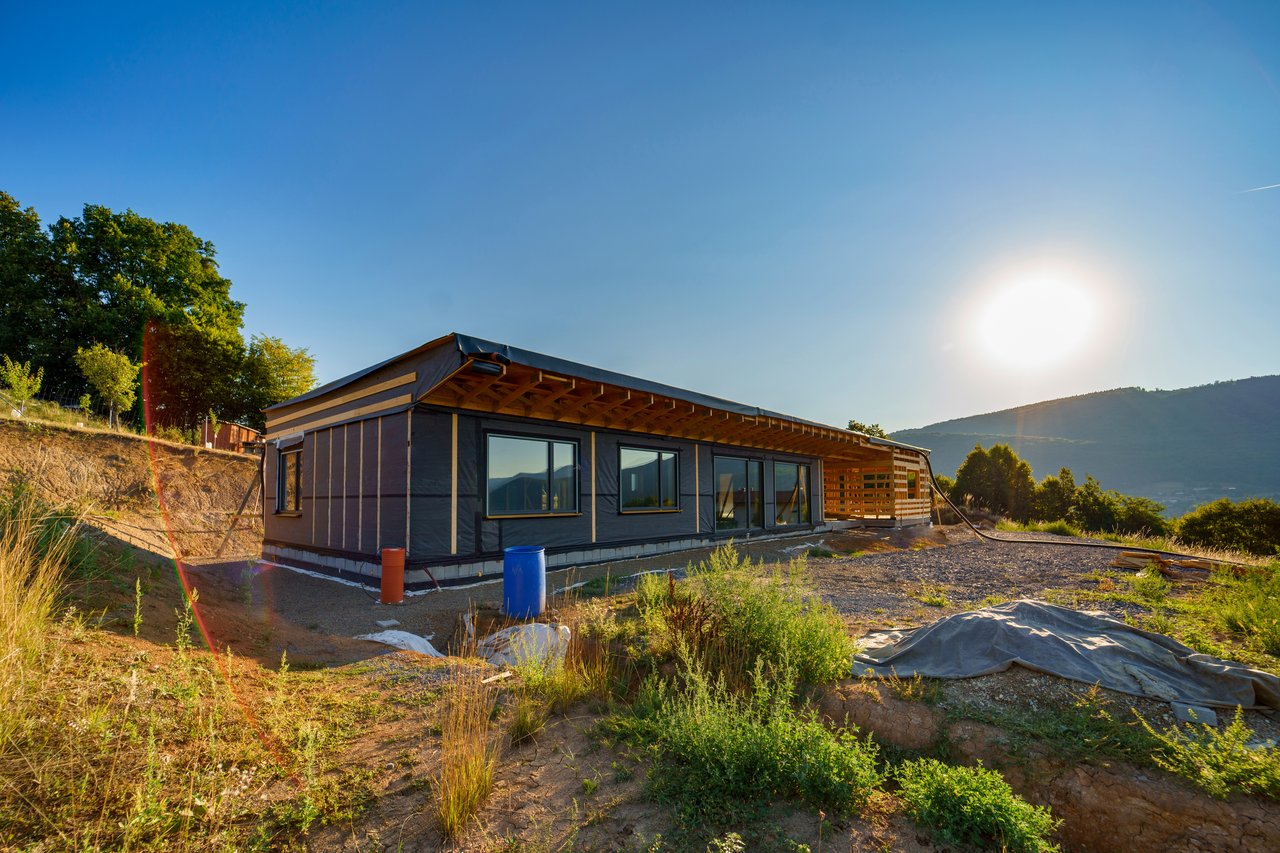
It is crucial to remember that HOA approval is separate from county permits. You will often need to satisfy both the private contractual obligations of the HOA and the public regulatory requirements of Permit Sonoma, the county's permitting agency. Always check both before you start planning a project.
Red Flags During Due Diligence
A healthy HOA is transparent, financially sound, and proactive. An unhealthy one can become a source of financial and legal headaches. During your due diligence period, work with your real estate advisor to investigate these potential warning signs.
Underfunded Reserves
California's Davis-Stirling Act requires HOAs to conduct regular reserve studies to plan for future repairs. Experts recommend a funding level of at least 70%. A poorly funded reserve is a strong indicator that a large special assessment may be on the horizon to cover a major project like a new roof or road repairs. Ask for the most recent reserve study and pay close attention to the funding percentage.
Work With an Advisors Who Know the Landscape
Navigating the complexities of Sonoma County HOAs requires expertise and a keen eye for detail. Every community has its own personality, its own set of rules, and its own financial story. By understanding the different structures, rules, and potential pitfalls, luxury buyers can move forward with clarity and confidence.If you are exploring luxury properties in Sonoma County and want guidance from a team that knows these communities inside and out, reach out to Marquis Farwell Homes. We are here to help you find a property that truly fits your lifestyle and long-term goals.